 ThePrint ·
Health
CCTV cameras may soon be mandatory at pharmacies as govt proposes amendments to Drugs Rules
The move comes amid efforts to strengthen monitoring of prescription medicines and drugs with a higher potential for misuse or dependence.
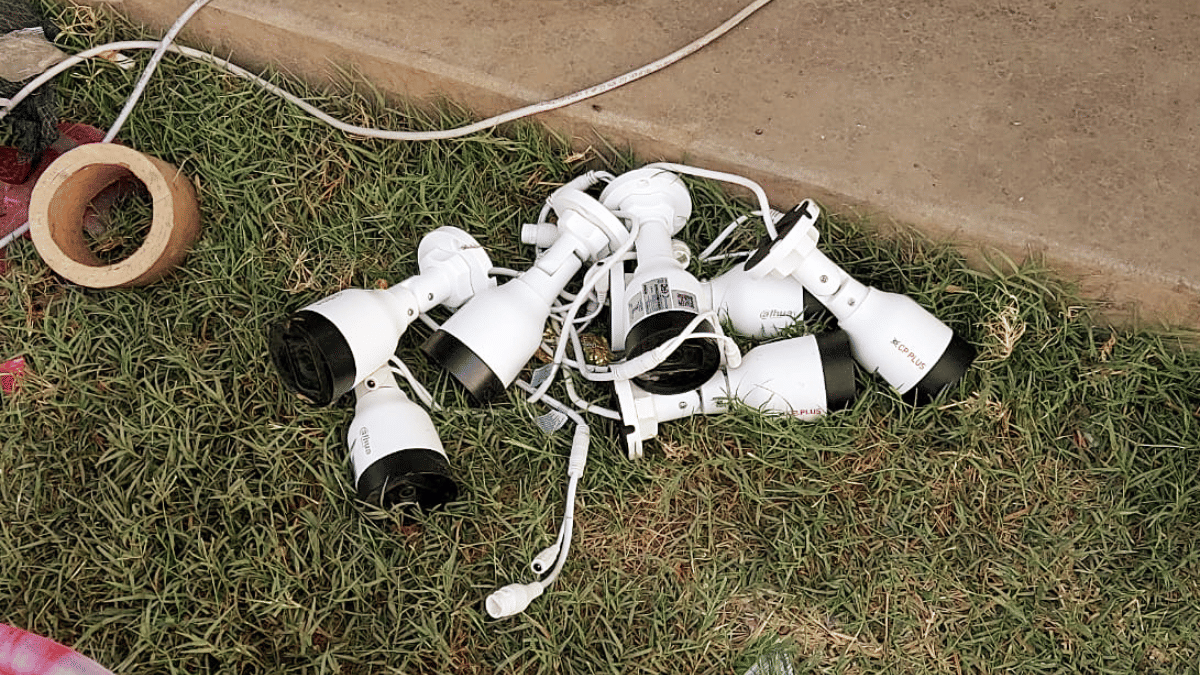
New Delhi: Medical stores selling prescription medicines, including psychotropic drugs, may soon have to install CCTV cameras, with the Union Health Ministry proposing mandatory surveillance to track and verify the sale of such medicines.
“The proposed amendment seeks to address concerns relating to unauthorized access to and sale of Schedule H, H1 and X drugs and recommends mandatory CCTV surveillance at medical stores as an additional regulatory safeguard,” the ministry said in a draft notification dated 8 September.
The recordings will have to be preserved for three months, according to the draft notification. The proposed requirement will not apply to wholesale dealers.
The move comes amid efforts to strengthen monitoring of prescription medicines and drugs with a higher potential for misuse or dependence. It is intended to create a verifiable record of sales at retail medical stores and supplement existing safeguards governing these medicines.
“The proposed CCTV surveillance mechanism will enhance transparency and accountability across the pharmaceutical supply chain, thereby strengthening safeguards for public health,” the notification said.
Union Health Ministry Proposes Amendments to Drugs Rules, 1945 to Strengthen Regulatory Oversight of Schedule H, H1 and X Drugs
Mandatory CCTV surveillance proposed at medical stores to enhance transparency and accountability#HealthForAll https://t.co/JruRiNGH3q
— Ministry of Health (@MoHFW_INDIA) September 17, 2026
Under the Drugs Rules, Schedule H medicines can be sold at retail only on the prescription of a registered medical practitioner, subject to specified conditions. The category includes several commonly prescribed medicines, including antibiotics and drugs used to treat high blood pressure.
Schedule H1 drugs are subject to additional record-keeping requirements. Pharmacies must maintain a separate register recording details of their sale, including the prescriber, patient and quantity supplied. Several antibiotics fall under this category, which was introduced partly to address concerns over misuse and antimicrobial resistance.
Schedule X drugs are governed by more stringent controls. Their sale requires a prescription, and pharmacies must comply with specified record-keeping and storage requirements. The category includes certain medicines with a higher potential for abuse or dependence, including some psychotropic drugs.
The proposed amendment follows deliberations by the Drugs Consultative Committee (DCC), which advises the government on matters related to the regulation of drugs and the implementation of drug laws. It was circulated among members of the Drugs Technical Advisory Board (DTAB), the statutory body that advises the Centre on technical matters concerning drugs and cosmetics.
Following its consideration, the DTAB recommended approval of the proposal, the ministry said, adding that stakeholders and members of the public were invited to submit objections and suggestions on the proposed changes.
(Edited by Tony Rai)