 The Indian Express ·
Health
Your BP, diabetes, antibiotic buys now under CCTV watch: Health Ministry
Move seeks to address concerns over the “unauthorised access to and sale of Schedule H, H1 and X drugs”
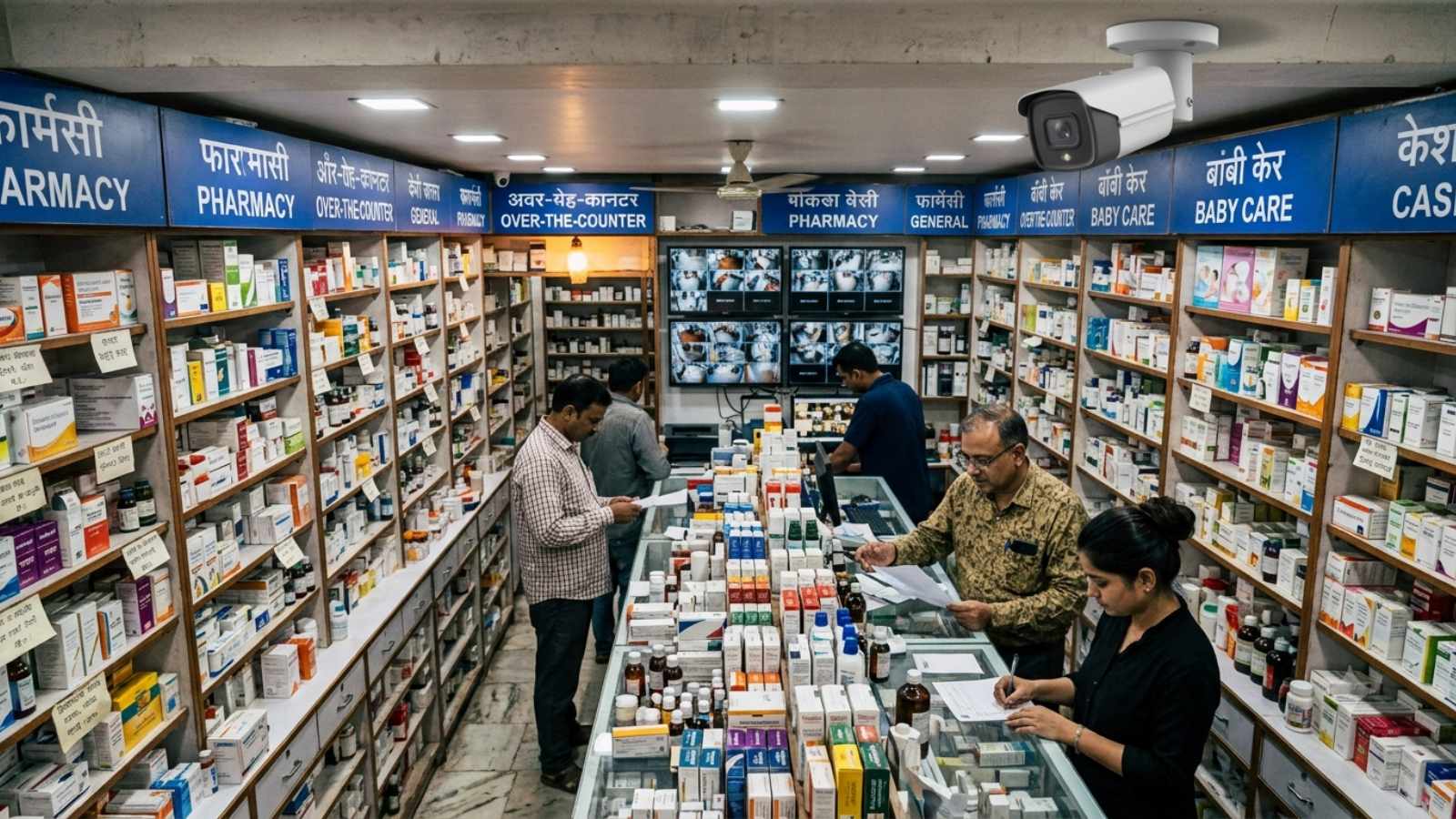
The Health Ministry has proposed mandatory installation of CCTV cameras at medical stores to track and trace the sale of prescription medicines, including psychotropic drugs listed under Schedule X. The proposed requirement will not apply to wholesalers.
In a draft notification, the ministry said the proposed amendment seeks to address concerns over the “unauthorised access to and sale of Schedule H, H1 and X drugs” and recommends mandatory CCTV surveillance at medical stores as an additional regulatory safeguard.
“The supply, otherwise than by way of wholesale dealing, of any drug supplied on the prescription of a Registered Medical Practitioner shall be made under a Closed-Circuit Television (CCTV) surveillance system installed and maintained for this purpose at the licensed premises,” the draft notification states.
The CCTV recordings will have to be preserved for three months, according to the draft. The ministry has invited stakeholders to submit their comments within 30 days.
Examples of Schedule H drugs include common blood pressure medications, standard diabetes treatments and regular antibiotics. Examples of Schedule H 1 drugs include third- and fourth-generation antibiotics, anti-tuberculosis drugs and select habit-forming psychotropic drugs. Examples of Schedule X drugs include narcotic substances and strong psychotropic or sleeping medications like morphine and secobarbital.
The proposal comes amid efforts by drug regulators to strengthen monitoring of prescription and controlled medicines across the supply chain. The issue of using CCTV surveillance to track and trace the movement and sale of Narcotic Drugs and Psychotropic Substances (NDPS) medicines has been discussed by expert committees under the country’s apex drug regulator. The proposed amendment is aimed at creating a verifiable record of sales at retail medical stores and strengthening existing safeguards governing prescription drugs.
The matter was discussed at a meeting in August of experts under the apex drug regulator, which examined the use of CCTV cameras for tracking and tracing NDPS drugs across the supply chain.
A meeting of another expert body under the drug regulator in April also discussed the proposal. The Drugs Consultative Committee (DCC) agreed that the installation of CCTV cameras at medical stores could be made mandatory through an amendment to the rules. It also proposed that cameras should be positioned appropriately within the premises so that sales conducted there could be verified.
“Further, DCC also agreed that installation of CCTV cameras at medical stores may be made mandatory by amending the Rules. DCC also proposed that cameras shall be placed appropriately in the premises so that sales made at such premises may be verifiable,” the committee noted.
Last year, the Delhi government had implemented a similar requirement for its own medical stores. At the time, the All-India Organisation of Chemists and Druggists (AIOCD) had argued that rather than imposing additional constraints on brick-and-mortar pharmacies, there was a need to regulate e-pharmacies as well.