 India Today ·
Economy, business and finance
UPI MDR from October 15: Who pays, who is exempt? PhonePe CEO explains
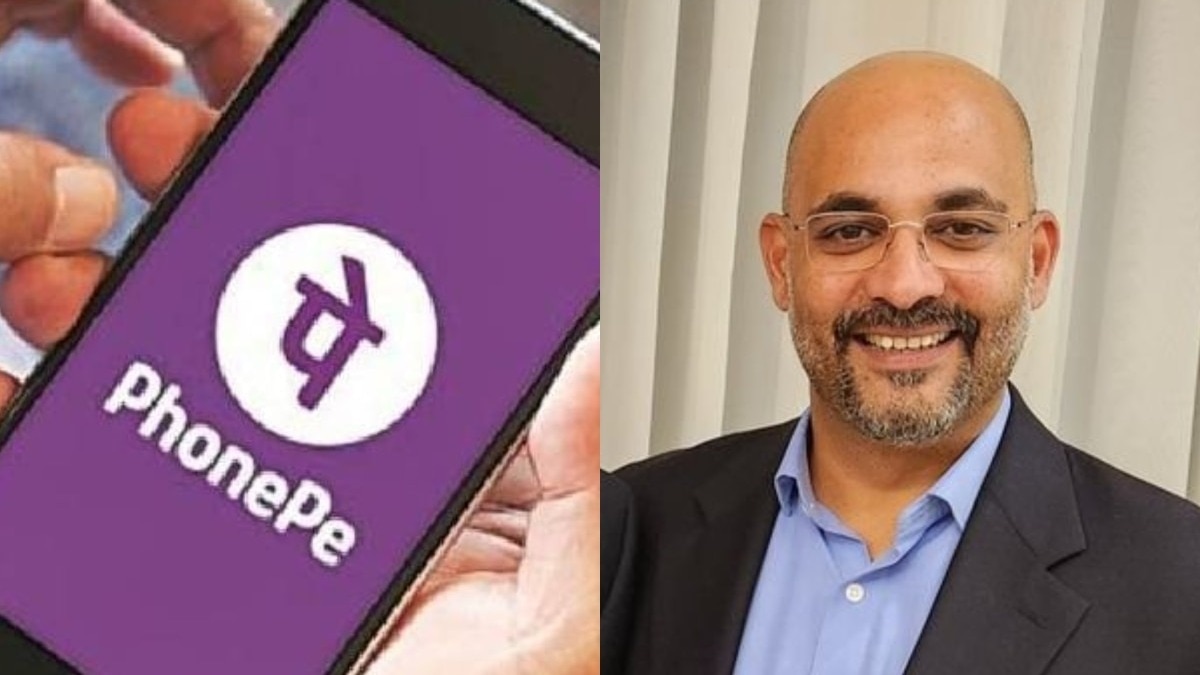
The government has introduced an MDR on select UPI merchant payments from October 15, 2026. The move keeps UPI free for customers while creating a revenue model for the payments industry. PhonePe CEO Sameer Nigam explains who will be affected and who will remain exempt.
The government has announced a Merchant Discount Rate (MDR) on certain UPI transactions, with a charge of up to 0.40 per cent on payments above Rs 2,000. The new framework is set to come into effect from October 15, 2026.
The announcement has raised questions among UPI users and merchants about who will actually bear the cost and whether customers will have to pay extra for using UPI.
PhonePe CEO Sameer Nigam, in an interaction with India Today's sister channel, Aaj Tak, clarified that UPI will remain completely free for customers. The MDR will apply only to specified merchant transactions and will not be directly charged to consumers. Here's what all he said:
- For six years, the UPI payments industry did not have a sufficient revenue model, despite the need for one. That model has now been introduced, PhonePe CEO Sameer Nigam said. He added that the new framework would affect only around 4 per cent of users receiving payments through UPI, while 96 per cent would remain exempt.
- UPI will remain completely free for customers. MDR will apply only to select merchant payments. Merchants receiving more than Rs 1 lakh a month through QR-code payments will have to pay 0.40 per cent MDR on transactions above Rs 2,000.
- Nigam said 96 per cent of UPI transactions are below Rs 2,000 and will not attract MDR. This means a large section of merchants receiving UPI payments will remain exempt from the charge.
- The MDR on UPI has been kept lower than charges applicable to credit cards, debit cards and wallets, which means UPI will continue to be a cheaper payment option compared with these modes.
- The revenue generated through the charge will enable banks and payment companies to invest in security, fraud management, KYC, servers and technological infrastructure.