 The Indian Express ·
Economy, business and finance
‘Don’t be surprised to see ‘cash only’ boards’: Market yard traders on new UPI charge
Traders at Pune’s Market Yard have opposed the new 0.4% MDR on eligible UPI transactions above Rs 2,000, warning that the charge could increase costs and encourage businesses to return to cash payments.
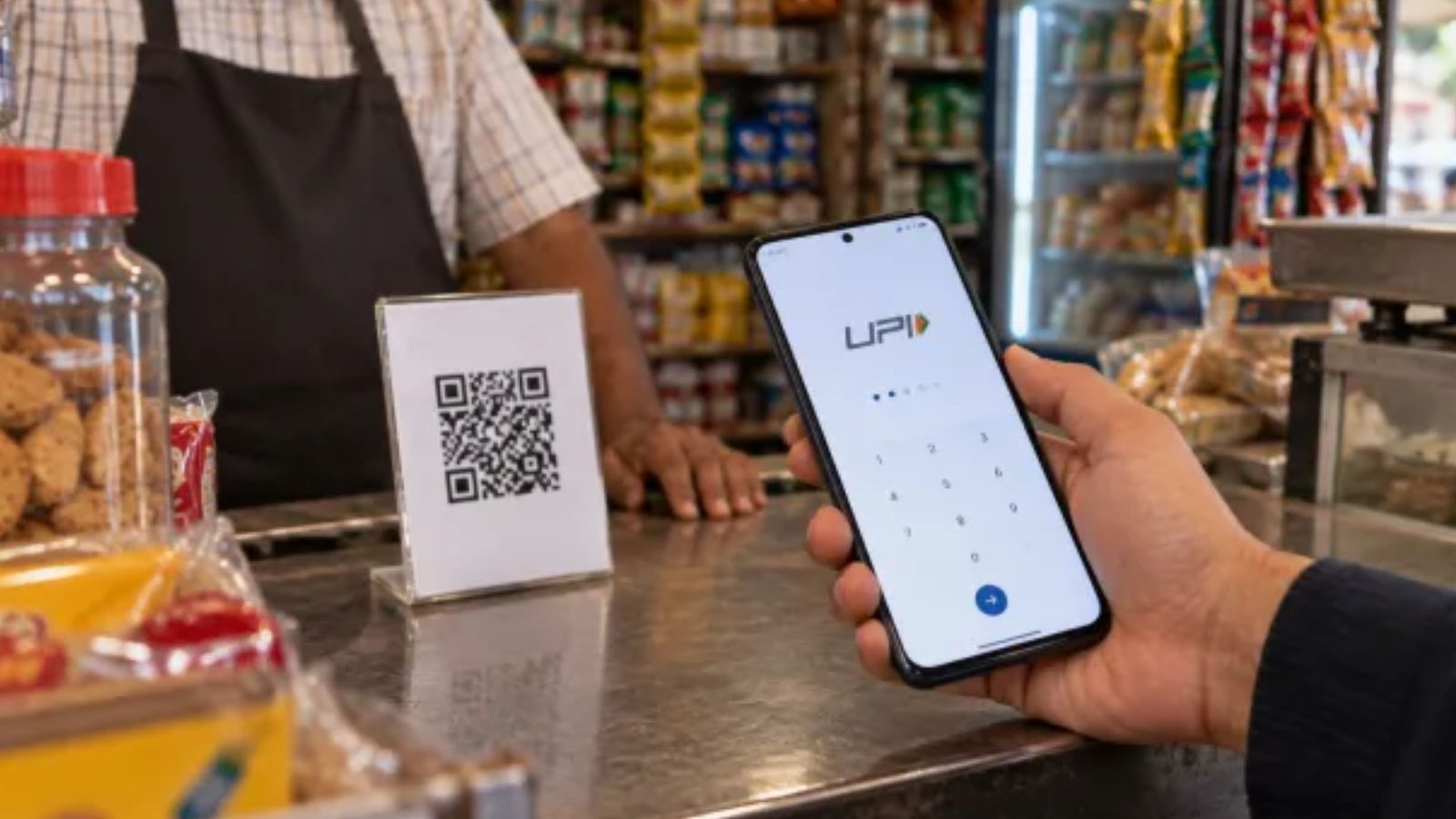
Traders at Pune’s Market Yard have opposed the Centre’s decision to levy a 0.4 per cent charge on UPI transactions above Rs 2,000, saying the move could increase their costs and push businesses back towards cash payments.
The Centre introduced the charge on Tuesday as part of a new framework for large digital merchant transactions, bringing an end to the zero-Merchant Discount Rate (MDR) regime. Under the new framework, the charge will be capped at Rs 300 for transactions of Rs 75,000 and above. Small merchants generating up to Rs 1 lakh a month through UPI QR-code payments will continue to be exempt.
MDR is the fee charged to merchants by banks and payment service providers for processing digital payments. Traders at the Market Yard, however, said the change would particularly affect wholesale businesses where individual UPI payments frequently cross the Rs 2,000 threshold.
“Already, increased labour costs, unseasonal rains and supply disruptions due to geopolitical tensions have affected profits, and this levy will further eat into thin margins. We oppose the levy on UPI payments and urge the government to reconsider the decision,” said trader Suyog Zende.
According to Zende, more than 80 per cent of transactions at Pune’s Market Yard are now conducted through UPI. He said the convenience of digital payments had also reduced the need for traders to maintain cash or arrange for change.
“There are around 180 fruit traders, and the average daily transactions in the fruit market alone are around Rs 20-25 crore. So this will have a considerable impact on traders and could push them back towards cash transactions. Even if we return to cash, there are deposit charges levied by some banks after a certain number of attempts,” he said.
Fruit trader Yuvraj Kachi said the impact would extend across small, medium-sized and wholesale businesses because many traders handle a large volume of transactions above Rs 2,000.
“In my case, most transactions are above Rs 2,000. Even a small charge of 0.4 per cent on individual transactions, subject to the applicable exemptions, can become a significant expense over a year,” he said.
Kachi said traders would eventually find ways to recover the additional cost if the levy becomes a substantial expense.
“If traders have to pay a significant levy, they will adjust the burden either on consumers or farmers. The selling price could increase slightly, or the purchase price from farmers could be adjusted to absorb the MDR charges. Either way, everyone will be affected,” he said.
“The government earlier promoted a cashless economy. Now, most people have shifted to digital transactions, and payments have become streamlined. Such a move could encourage cash transactions again, and customers should not be surprised to see ‘only cash allowed’ boards. The government should reconsider the move and explore other avenues to generate revenue,” Kachi said.