 Firstpost ·
Science and technology
Zuckerberg, Musk and Jensen Huang make their case for tackling AI threats without a new regulator
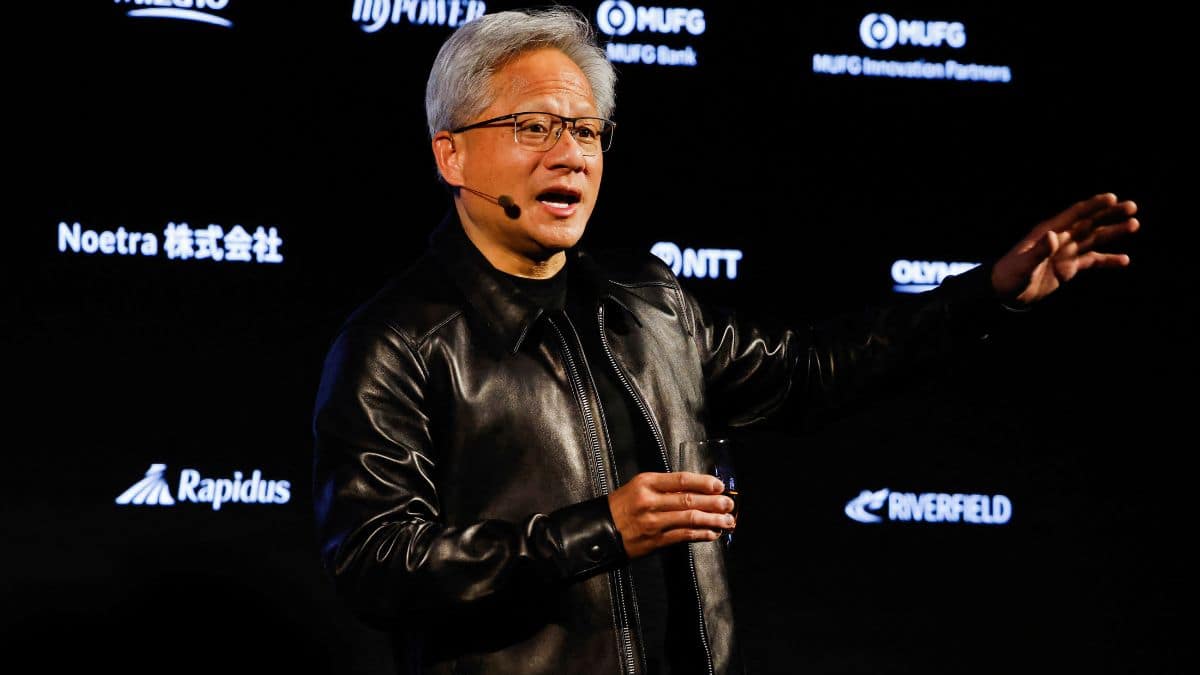
Zuckerberg, Huang and Musk have pushed back against calls for broader AI safety coordination and regulation, even as other industry leaders warn about the risks posed by increasingly powerful AI models.
Tech leaders from across the industry would attend next week’s State Dinner at the White House for Chinese President Xi Jinping, along with Apple’s executive chairman Tim Cook, who has recently stepped down from his position as CEO. Even though President Donald Trump has dismissed AI safety fears and pushed to beat China, Treasury Secretary Scott Bessent told Axios that the Trump administration is open to discussions on avoiding shared risks on the issue.
Amid the swarm of warnings spread across by Dario Amodei, Sam Altman and Demis Hassabis, both Zuckerberg and Jessen Huang have downplayed concerns about AI safety risks and argued that companies can pace themselves without external regulation. In a lengthy X post, Zuckerberg outlined his argument that most often companies have a “strong natural incentive” to ensure that AI is aligned to safety and human interests, as people will not use AI agents that are “misaligned with them and don’t do what they ask.”
He further dismissed the need for coordination to ensure safety. He noted that “every lab has the responsibility and incentive to move at the pace required to train its models safely, and the ability to take its own actions to ensure that happens.”
Zuckerberg, however, said his company was open to engaging independent evaluators and advisers on AI, agreeing with Anthropic and OpenAI.
Joining him on the need for a better understanding of responsibility, Huang also dismissed the slowdown talks and safety fears on Tuesday. Telling attendees at Salesforce’s annual Dreamforce event that the question of having to choose between safety and speed was a “FALSE one”, he said users could have both at the same time. He further added, “We don’t need new laws - we don’t need new regulations.”
Huang noted that companies should pace themselves until they are confident about “releasing something that the market would appreciate.” A day earlier, he had attended a call from US President Donald Trump while he was live on stage during the All-In Summit. In the call, Trump argued that people opposing AI and data centre construction were “playing right into the hands” of China’s skeptics. “We’re not going to let that happen,” Trump said. Huang told the president, “You’re right. We’re not going to let that happen, sir.”
Projecting a similar opinion, Musk questioned and mocked a series of viral X posts made by Jacob Coxon, an ex-Anthropic researcher who quit the company and raised alarm about AI-driven human extinction over the next decade. Musk questioned the timing of the post and said these felt like a setup, and argued that this was a spark that followed “groundwork” for a “psy op (for lack of a better term),” presumably against AI.
But when Anthropic CEO Dario Amodei issued warnings about AI and called for “pacing” the development of frontier AI models and better coordination on safety, Musk wrote, “Dario is right.” Even after agreeing with Anthropic, Musk has not shared any plans to coordinate or pace frontier AI model development.