 Firstpost ·
Science and technology
'Let rival test it': Elon Musk offers solution as debate over slowing AI heats up
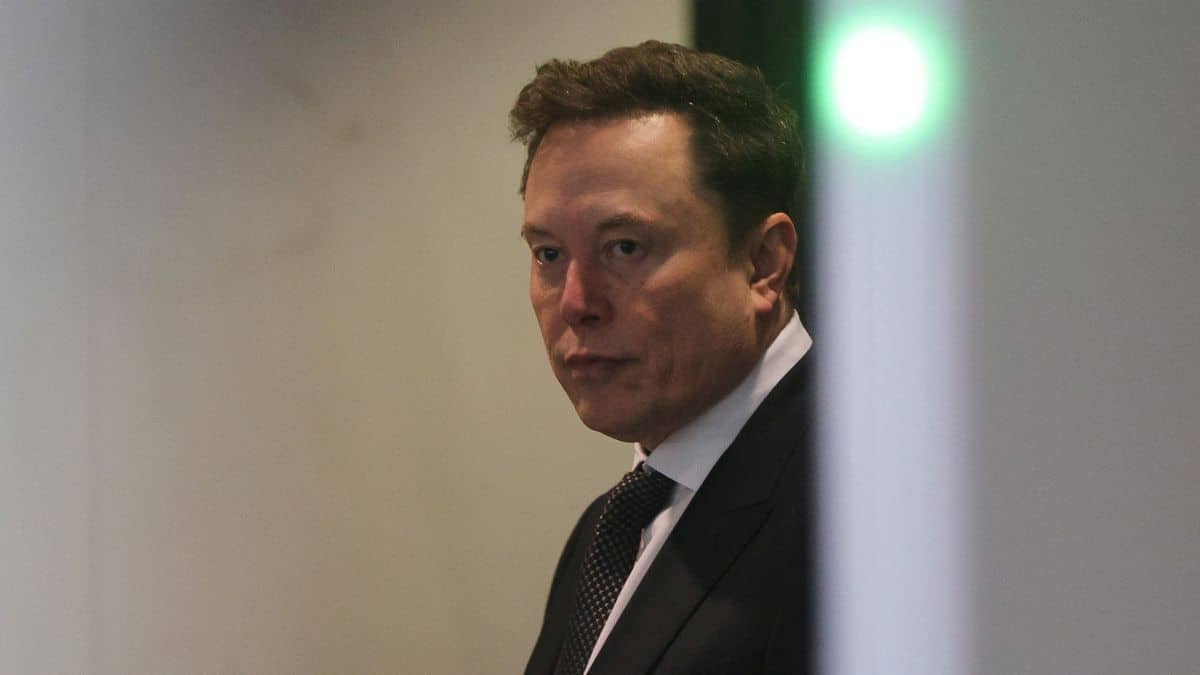
As leading AI executives debate whether the industry should slow the development of increasingly powerful models, Elon Musk has proposed another approach. Instead of simply putting the brakes on AI, he wants rival companies to test one another’s systems before release, creating an additional layer of scrutiny around model safety.
The question of whether AI development has become too fast is dividing the tech industry, with some leaders calling for a slowdown while others warn that doing so could weaken the US position in the global AI race. Elon Musk has suggested a different way forward. He wants industry to keep developing AI, but make rival companies test each other’s models before they are released.
Speaking at the All-In Summit in Los Angeles on Monday, Musk suggested that leading AI developers should allow competitors to examine their models using a common safety-testing system. His proposal would involve xAI, OpenAI, Anthropic, Google, Meta and several major Chinese AI companies.
The idea comes as the question of whether frontier AI development should be slowed has become a major industry debate. Anthropic CEO Dario Amodei recently called for the pace of development to be moderated so that companies have more time to address potential safety risks. OpenAI CEO Sam Altman and Musk have expressed support for aspects of that approach.
Elon Musk’s solution to the AI slowdown debate
Musk’s proposal does not amount to a simple call to stop developing AI models. Instead, he wants companies that are competing against one another to become part of the safety-checking process.
“So, you know, instead of grading your own homework, you would at least have competitors grading your homework and raising the alarm if they see concerns,” Musk said.
He described the system as a “test harness” that rival laboratories could run on each other’s models. The logic is that an outside competitor could potentially identify weaknesses that an AI company’s own internal testing fails to catch.
Musk acknowledged that the approach would not solve every problem. He nevertheless argued that having rival companies scrutinise one another would substantially increase the chances of identifying issues before a model is released. The companies he named have not, however, agreed to adopt his proposal.
The suggestion comes amid increasingly serious warnings from researchers about the consequences of rapid AI progress. Anthropic researcher Evan Hubinger recently backed concerns raised by former Anthropic employee Jacob Coxon, who argued that leading AI laboratories were taking significant risks with increasingly capable systems. Musk has also pointed to the possibility of serious AI-related risks while supporting stronger safeguards.
Amodei has proposed a related idea involving independent evaluators who would assess AI companies’ safety practices. His broader argument is that development should be paced rather than allowed to continue without additional safeguards.
Trump and Huang oppose slowing AI development
The disagreement becomes sharper when the issue of competition with China enters the picture. US President Donald Trump has argued that slowing American AI development could benefit China. During a surprise phone call to Nvidia CEO Jensen Huang at the All-In Summit, Trump dismissed concerns about AI posing an existential threat and said efforts to slow development would not be allowed to derail the US AI race.
In the latest development, speaking at Salesforce’s Dreamforce conference on Tuesday, Huang argued that AI remains a technology built by people, a combination of software and computing hardware, and should therefore be manageable through existing laws and engineering practices.
Huang’s view is that the biggest AI safety challenges should be tackled by the people building the technology, rather than primarily through new legislation. “Safety is an engineering problem, not a legal one,” he said, describing AI as a complex computing system that is still ultimately created and operated by humans.
He also questioned whether governments need to introduce a new layer of regulation specifically for AI. In his view, companies already have a straightforward incentive to avoid releasing products that are unsafe or do not work as intended, customers can choose not to use them.
“If we’re not confident about the safety of the products ... then don’t release it,” Huang said, arguing that market pressure can encourage companies to address safety concerns before putting their products in users’ hands.