 The Indian Express ·
Arts, culture, entertainment and media
From parallel cinema to Phalke glory: The 50-year journey of Anant Nag
Following his Padma Bhushan in 2025, veteran actor Anant Nag becomes the seventh Indian to receive both top honours, with Prime Minister Narendra Modi praising his "rare depth and authenticity".
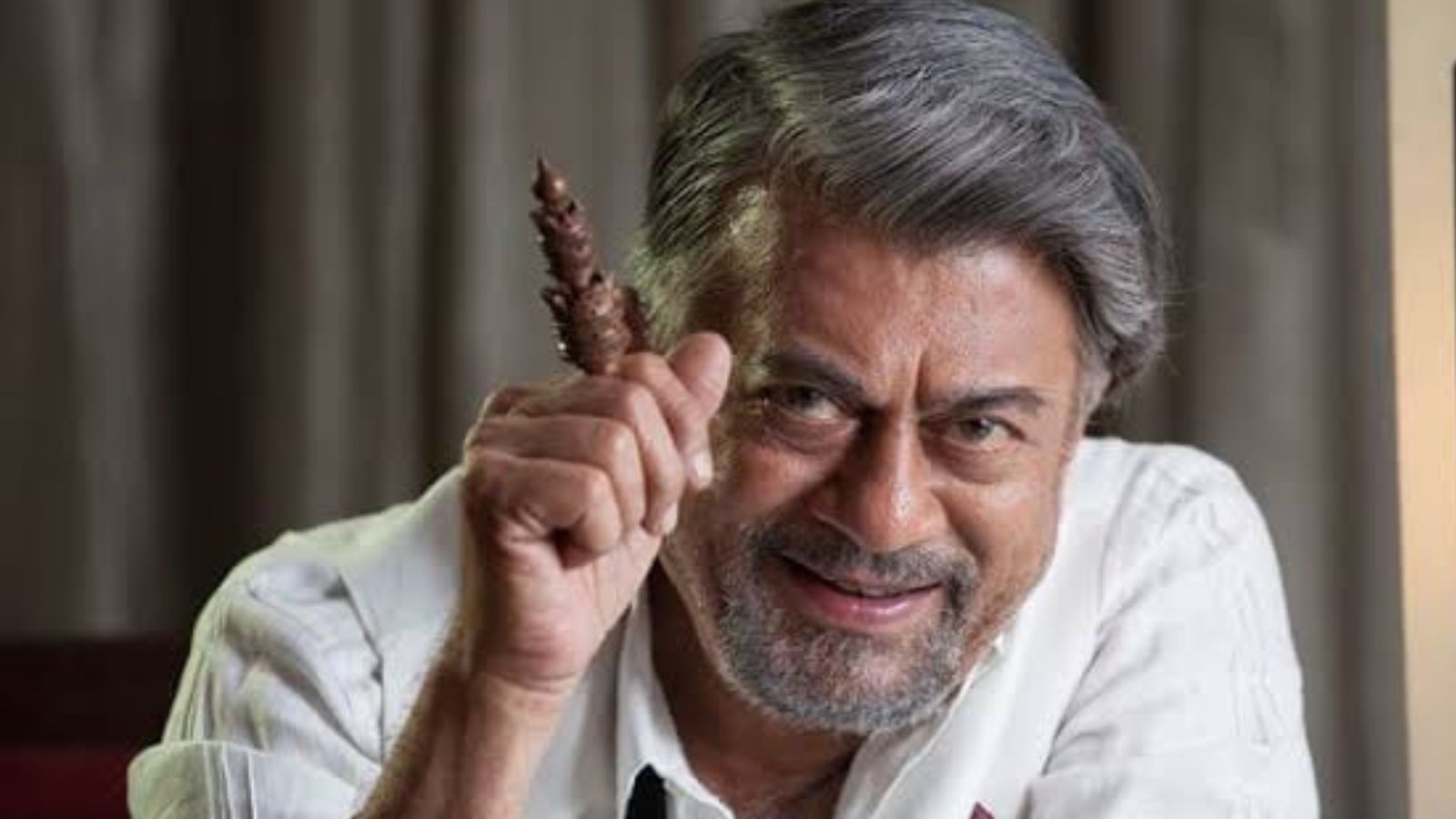
Veteran actor Anant Nag is set to be conferred the Dadasaheb Phalke Award, India’s highest honour in cinema, at the 72nd National Film Awards ceremony in Kevadia, Gujarat, on September 22, the government said on Wednesday.
The 78-year-old actor, who received the Padma Bhushan last year, has had a career spanning more than five decades. In this time, Nag has acted in at least 300 films across Kannada, Hindi and other South Indian languages, and was also active in theatre.
His other accolades include five Filmfare Awards, five Karnataka State Best Actor Awards, the Karnataka Rajyotsava Award, Karnataka Sahitya Academy Award and Karnataka State Lifetime Achievement Award.
Prime Minister Narendra Modi congratulated Nag in a post on X on Wednesday, saying his “effortless performances, remarkable versatility and brilliance” have left a strong mark on Indian cinema, particularly Kannada cinema.”
“In whichever role he has played, he [Nag] brought rare depth and authenticity. This is indeed a richly deserved honour for a truly distinguished artist,” Modi wrote.
Nag will be the second Kannada artist to receive the Dadasaheb Phalke Award after Dr Rajkumar, and the seventh Indian to receive both the Padma Bhushan and Dadasaheb Phalke Award.
The actor broke into the scene at a time when action movies and energetic dance numbers were the norm. However, audiences resonated with Nag’s ‘ordinary man’ representations and his naturalistic acting. Meanwhile, his incredible versatility earned him the ‘evergreen hero’ status.
September has been an eventful month in Nag’s life. He was born on September 4, 1948, in Mumbai as Anant S Nagarakatte (also called Nagarakatti).
His family roots trace back to Shirali in Karnataka’s Uttara Kannada district. His ancestors, who he has said were from Kashmir, moved to Karnataka several generations ago.
A student of St Xavier’s School in Mumbai, Nag was introduced to theatre and influenced by English plays. He performed in productions directed by Satyadev Dubey, Girish Karnad and Amol Palekar. Over roughly five years, he acted in Konkani, Kannada, Marathi and Hindi productions.
It was in 1973 that he made his film debut with the Kannada film Sankalpa. That same year, Nag appeared in Shyam Benegal’s Ankur. Both films brought him early recognition at the Karnataka State Film Awards.
Through the 1970s and 80s, Nag became a central figure in the parallel cinema movement, appearing in Shyam Benegal’s nationally acclaimed films Nishant, Bhumika, Manthan and Kalyug. He also worked with directors such as M S Sathyu and Girish Karnad.
While establishing himself in Kannada cinema, his brother Shankar, who was seven years younger, joined him. The two worked together on several films, including Minchina Ota, Accident, Anthima Ghatta and Ramarajyadalli Rakshasaru.
Incidentally, this period coincided with an experimental phase in Kannada cinema. Many consider it to be the industry’s golden age. Indeed, of the four state awards that Naga won for ‘Best Actor’, three were received during the 80s.
Beyond parallel cinema, Nag’s comedy films were also a sensation in the state. They included Ganeshana Maduve, Gauri Ganesha, Golmaal Radhakrishna and Maneli Ili Beedhili Huli, among others.
Later, in 1986, Nag played the lead in Malgudi Days, the television series that caught the nation’s attention and won several awards.
When all was going great came the biggest jolt in Nag’s life. On September 30, 1990, his brother Shankar died in a road accident. By then, the brothers had invested heavily in Sanket Studio, which incurred huge losses. Nag has said he spent much of his later years repaying the loans.
Outside of cinema, Nag, influenced by socialist ideas during his years in Mumbai, became involved with the Janata Party in the 1980s. The then Karnataka Chief Minister Ramakrishna Hegde influenced him to join politics.
Nag was nominated to the Karnataka Legislative Council from 1988 to 1994, and later, elected to the Karnataka Legislative Assembly from Malleshwaram and became Bengaluru development minister.
He began distancing himself from politics in 1996 after miscreants tried to attack him while he was taking his daughter to school. Since then, he has largely restricted himself to acting and preferred to not do public events.
In 2023, Nag celebrated the Golden Jubilee of his 50-year career in cinema. Two years later, in 2025, the Centre honoured him with the Padma Bhushan, the third-highest civilian award in India, for his contribution to the arts.
He married film actress Gayathri in 1987. The couple have a daughter, Aditi, who has stayed away from the film industry. A Carnatic singer by passion, Nag has also written a biographical book in Kannada — Nanna Thamma Shankara (My Brother Shankara), published in 2010.