
Why scientists’ nearly-100-year-journey towards creating ‘artificial Sun’ continues to face hurdles
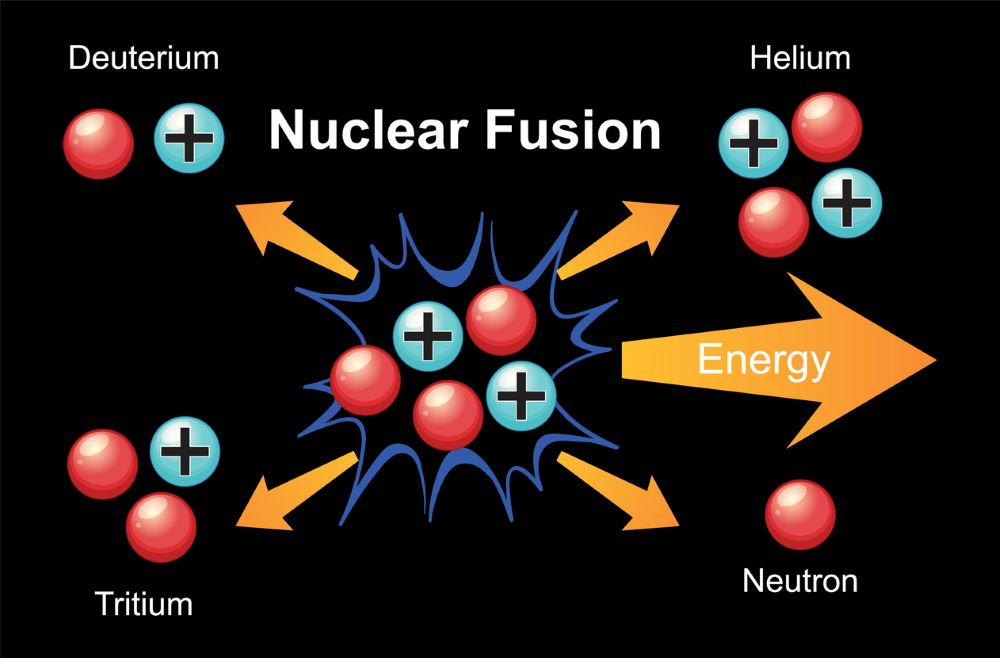
For decades, physicists have been trying to recreate on Earth the nuclear process that makes the Sun shine, building machines that heat hydrogen nuclei to blazing temperatures and confine them long enough for fusion reactions for energy generation. In India that work happens at the Institute for Plasma Research in Gujarat. And earlier this week, researchers there took another step towards that goal.
It was a late evening in March 1929. Twenty-six-year-old Fritz Houtermans was out for a walk with Charlotte Riefenstahl, a fellow young physicist. Both had received their doctorates in theoretical physics from Göttingen University two years earlier and were still associated with the university.
The Sun had set. Dusk gradually gave way to darkness and the first stars appeared in the sky. They walked close together, their conversation occasionally giving way to silence, their hands brushing as they strolled through the evening. It was a pleasant, romantic moment.
