 Firstpost ·
Lifestyle and human interest
Sabyasachi at NYFW 2026: Why India’s top couturier refuses to be an invisible engine for the West
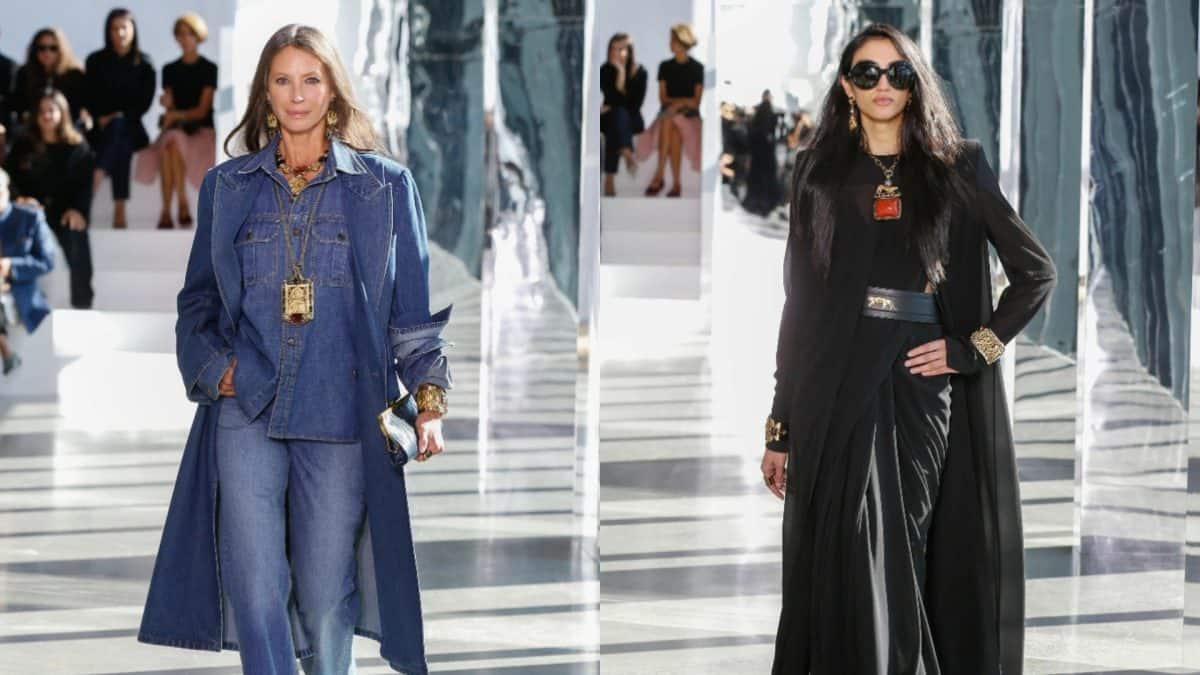
After nearly two decades away from Manhattan, Sabyasachi Mukherjee returns to New York Fashion Week to demand ownership—not just attribution—for Kolkata’s master artisans.
At Spring Studios in Soho, the first figure to cut through the Tuesday afternoon light wasn’t wrapped in traditional hand-loom or trailing silk. Instead, supermodel Christy Turlington stepped onto the runway in a slouched denim trench, matching trousers, and a crisp indigo shirt, a masterclass in unpretentious American workwear. But heavy, gem-encrusted pieces of Sabyasachi High Jewellery hung from her neck and wrists, debuting in a milestone collaboration with The Metropolitan Museum of Art.
It was a deliberate study in contradictions. Nearly two decades after his last show on the official New York Fashion Week schedule in 2009, India’s most influential couturier returned to Manhattan to rewrite Western expectations of Eastern bridal grandeur completely.
Watching from the front row was long-time brand muse Rani Mukerji, who brought quiet Bollywood royalty to Tribeca in a stark, classic black saree. The juxtaposition between Turlington’s nonchalant denim and Mukerji’s timeless drape anchored the show's premise. Sabyasachi’s return was a victory lap for a label that has spent almost two decades expanding from a domestic powerhouse into a formidable player on the global luxury stage.
The collection, titled Bengal Byzantine Broadway, brought a sensory blend of global history to New York. Sabyasachi drew from the trade routes of ancient Constantinople, the artistic heritage of his native Kolkata, and the relentless energy of modern Manhattan. Japanese denim, British tweed, mohair, and cashmere flowed alongside intricate Indian beadwork and hand-quilted linings. Bolero-style jackets subtly echoed sari blouses, while cowboy hats, silk scarves, and metal-tipped shoes gave the models a nomadic, modern edge.
Central to the collection was a landmark fine jewellery collaboration with The Metropolitan Museum of Art. Drawing directly from five millennia of historical artefacts in The Met’s archives, Sabyasachi turned ancient Byzantine cuffs, Etruscan pendants, and Roman motifs into massive pieces of wearable art. Rather than saving these statement pieces for high-voltage evening wear, he juxtaposed them against casual blue jeans, workwear vests, and tailored coats. It was an intentional study in high-low dressing that felt fresh for a designer best known for regal opulence.
Redefining global luxury on Indian terms
Sabyasachi’s return to the New York runway carries a deeper weight than a simple seasonal showcase, especially in light of recent industry flashpoints. Just days prior, Ralph Lauren faced severe backlash for showcasing intricate metallic embroideries suspiciously reminiscent of age-old Indian zardozi craftsmanship without acknowledging its origins. The controversy reignited a long-standing grievance: for decades, Western luxury houses have relied on Indian artisans as invisible labour, extracting high-value technique while keeping the credit and brand prestige in New York, Paris, or Milan.
By taking centre stage in Tribeca with a flagship store already established on Christopher Street, Sabyasachi is actively upending that dynamic. His runway didn't just showcase craft; it named it, owned it, and placed it on equal footing with Western wardrobe staples.
The message is unequivocal: Indian fashion is not a backroom supplier or a static costume archive for Western designers to sample without attribution. By seamlessly fusing American workwear with uncompromising Kolkata craftsmanship, Sabyasachi demonstrated that luxury born in India possesses the cultural authority and creative confidence to lead global style conversations on its own terms.