 India Today ·
Politics
UPI MDR row: Govt cites no dissent, Congress says specific proposal never discussed
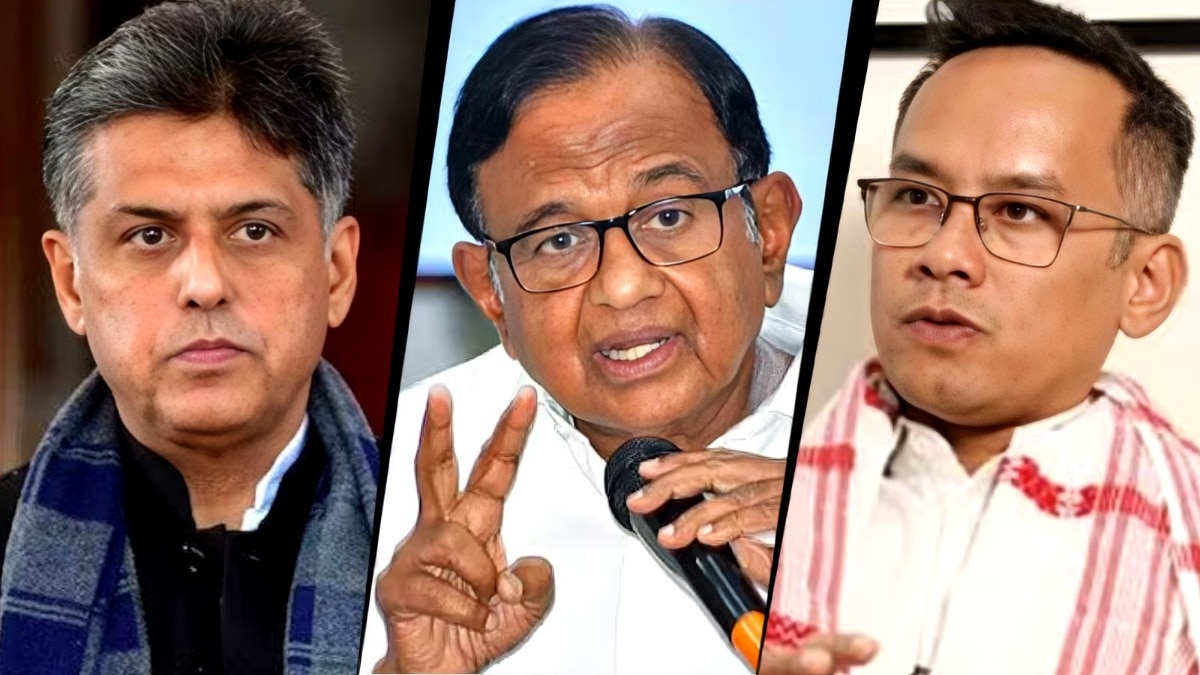
The government and Congress MPs are at odds over what the Parliamentary Standing Committee on Finance discussed on UPI MDR. The government says the panel recommended a tiered MDR framework and no formal dissent was recorded. Congress, however, says the specific MDR proposal later announced by the government was never discussed by the panel.
The political row over the proposed Merchant Discount Rate (MDR) on UPI transactions has now spilled onto the Parliamentary Standing Committee on Finance, with the government and Opposition offering sharply different accounts of what happened during the panel's deliberations.
Government sources have pointed to the committee's 44th Action Taken Report, which recommended expediting a tiered MDR framework, arguing that no formal dissent was recorded when the report was adopted.
Opposition MPs, however, say the specific MDR proposal subsequently announced by the government was never placed before the committee and that members had raised concerns about the need for and efficacy of MDR.
GOVT POINTS TO ABSENCE OF FORMAL DISSENT
Government sources say five Congress MPs, P Chidambaram, Manish Tewari, Gaurav Gogoi, Kishori Lal and K Gopinath, were present when the report was adopted, but no dissent from them was recorded in the published proceedings. Gogoi is also the Congress deputy leader in the Lok Sabha.
The government is using the committee's recommendation for a tiered revenue/MDR framework to question the Opposition's criticism of the UPI MDR decision. Its argument is that Congress members did not formally oppose the broader recommendation when it was adopted by the committee.
Opposition members, however, dispute this interpretation of the proceedings.
CONGRESS SAYS SPECIFIC MDR PLAN NEVER CAME UP
Gaurav Gogoi, who was a member of the Finance Committee, has said the specific UPI MDR proposal recently announced by the government was not discussed by the panel.
Gogoi said the Department of Financial Services did not have such a specific proposal when it appeared before the committee. He also said members had raised questions about the need for MDR, but did not receive specific or satisfactory answers from government representatives.
Manish Tewari has backed Gogoi's account, saying the particular MDR framework now scheduled to take effect from October 15 was never placed before the committee.
Tewari said members were not presented with details such as the proposed rate, quantum, fee amount, ceiling or exemption slabs. He also said concerns over the broader concept, need and efficacy of MDR were raised during committee sittings.
Tewari further argued that claims about individual members supporting the specific measure amounted to an inaccurate characterisation of confidential parliamentary committee proceedings.
OPPOSITION CLAIMS AMENDMENTS WERE SOUGHT
An Opposition member of the committee, speaking to India Today on condition of anonymity, said concerns over the MDR recommendation were raised by members across party lines, including BJP MPs.
"A lot of concerns were raised by members, and this included both Opposition and BJP MPs. We had also stated that this particular recommendation needed to be amended," the MP said.
The MP claimed that committee chairman Bhartruhari Mahtab cited the limited time available before the end of the Parliament session to finalise and submit the report.
"The Chairman said that the report had to be submitted and that he did not have much time. It required printing and everything. He then went ahead without incorporating those recommendations and submitted the report," the MP alleged.
BROADER RECOMMENDATION VS SPECIFIC UPI CHARGE
At the centre of the dispute is the distinction between the committee's broader recommendation and the specific MDR framework now being implemented.
The government's position is that the committee had recommended a tiered MDR or revenue framework and that Congress members did not register a formal dissent against that recommendation.
The Congress MPs, meanwhile, maintain that this should not be construed as endorsement of the specific UPI MDR proposal. They say the rate, fee structure, ceilings and exemptions now being discussed were never placed before the committee.
The dispute, therefore, is not simply over whether concerns were raised during the committee's deliberations, but over what exactly the panel considered and whether the final recommendation can be cited as support for the specific UPI MDR measure announced by the government.