 Firstpost ·
US intelligence warns China could access F-35 technology through Saudi Arabia: Report
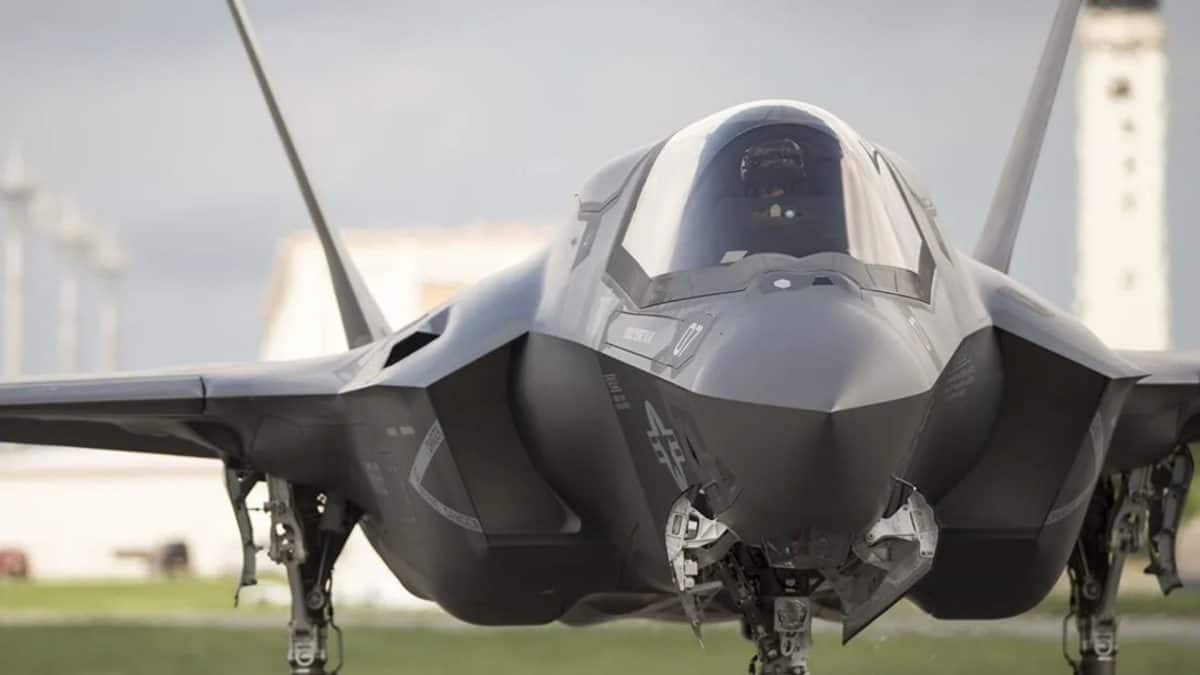
The proposed multibillion-dollar sale of up to 48 F-35 jets to Saudi Arabia is facing scrutiny over Riyadh’s growing defence ties with China and the security of sensitive US technology
A confidential US intelligence assessment has raised concerns that China could gain access to sensitive American military technology if Washington goes ahead with a proposed sale of F-35 stealth fighter jets to Saudi Arabia.
The assessment by the Defense Intelligence Agency (DIA), reported by The New York Times, highlights concerns over Saudi Arabia's growing defence and technology ties with China. The proposed deal could involve up to 48 F-35 aircraft in a multibillion-dollar package.
Why is China a concern?
The F-35 is one of the most advanced fighter aircraft in the US arsenal, combining stealth technology with sophisticated radar, sensors, avionics and data-sharing systems.
US intelligence officials are concerned that China's expanding military relationship with Saudi Arabia could create opportunities for Beijing to gather information about the aircraft's capabilities.
The concerns are not limited to direct access to the jets. Intelligence gathering, military cooperation and Saudi personnel's interactions with Chinese technology could potentially expose sensitive information, according to the assessment.
Saudi Arabia has maintained defence and technology ties with both Washington and Beijing. China has previously helped Riyadh develop ballistic missile capabilities, adding to US concerns about the security of sensitive American defence technology.
The proposed sale has also raised questions about Israel's military advantage in the region.
Israel is currently the only country in the Middle East operating the F-35 and flies a customised version known as the F-35I. Washington has a longstanding policy of maintaining Israel's ‘qualitative military edge’ over other countries in the region, a commitment that was formally written into US law in 2008.
US officials have previously indicated that Saudi Arabia's F-35s would not necessarily have the same capabilities as Israel's aircraft. The jets supplied to Riyadh could have different weapons systems and equipment, while Israel's fleet includes country-specific modifications.
The proposed Saudi purchase could therefore require Washington to balance its defence relationship with Riyadh with its commitments to Israel.
The concerns over China echo problems that surrounded an earlier proposed F-35 sale to the United Arab Emirates.
That deal faced resistance from Washington over concerns about Chinese involvement in UAE infrastructure, including 5G networks, and the possibility that sensitive information linked to the aircraft could be exposed.
Any Saudi deal could therefore come with strict security requirements designed to limit access to F-35 technology and prevent third-party systems from compromising sensitive information.
What happens next?
The F-35 proposal is part of a broader effort by Washington and Riyadh to deepen their defence and economic relationship.
The US now faces a complex review process involving the proposed transfer of highly sensitive military technology, Saudi Arabia's growing ties with China and Israel's longstanding security concerns.
The proposed sale of up to 48 aircraft has already cleared a key Pentagon hurdle, but the deal still faces further scrutiny before deliveries can begin. Reuters reported that the first aircraft would not be delivered for several years if the sale proceeds.