 Firstpost ·
Kerala is ageing like Europe. Can its elder-care law look like theirs too?
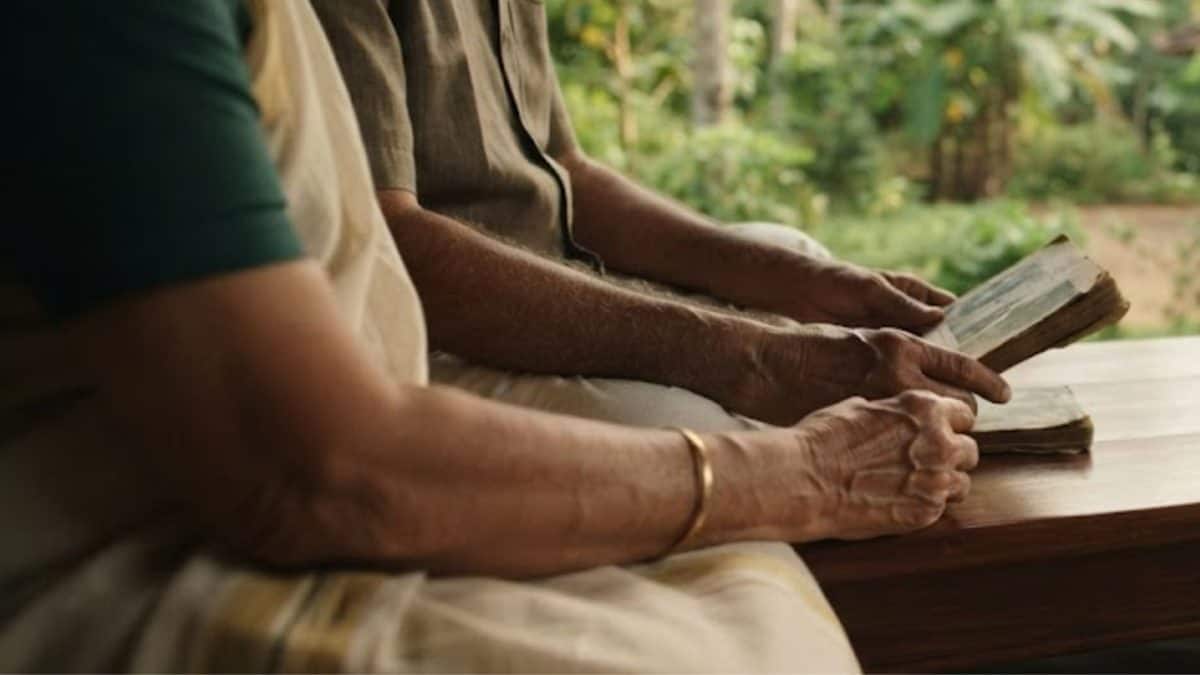
With more than 16 per cent of its population already over 60, Kerala is looking beyond traditional family-based care and studying models from ageing societies such as Japan and Norway
Kerala is getting ready for a big shift in how it looks after its ageing population.
Nearly 16.5 per cent of the state's population is already above 60. By 2036, more than 23 per cent of Kerala’s population is expected to be over 60, making it one of India’s fastest-ageing states.
And that shift has led Kerala to now fast-track the Kerala State Senior Citizens (Care and Protection of Rights) Bill as it tries to build a system that can keep pace with this demographic change.
The challenge, though, is a little different in the southern Indian state. Its ageing population looks more like that of a developed country than many parts of the developing world. As the state works on its elder-care system, the bigger question is what it can learn from countries like Norway and Japan, and how much of those models can actually work in Kerala’s social and financial reality.
Kerala’s demographic story resembles that of ageing European societies.
High literacy, a strong public health system and a total fertility rate of around 1.35 have changed the state’s population profile. People are living longer, while fewer children are being born.
The shift is particularly visible in life expectancy. Women in Kerala live for around 78.4 years on average, compared with 71.9 years for men. This gap has contributed to what demographers call the ‘feminisation of ageing’, with older women making up a larger share of the elderly population.
The difference becomes even more pronounced among those aged 80 and above. Higher female survival rates, along with widowhood, mean elderly women significantly outnumber elderly men in this age group.
This is where Kerala’s ageing story begins to look similar to parts of Europe and other developed economies. The challenge is no longer simply helping people live longer, but ensuring that those extra years are healthy and supported.
Chronic illnesses are now a major part of that challenge. Data from the Longitudinal Ageing Study in India (LASI) shows that more than 70 per cent of Kerala’s elderly population lives with at least one chronic condition, including hypertension, diabetes or cardiovascular disease.
So, Kerala’s healthcare needs are changing too. The focus is gradually shifting from tackling infectious diseases to managing long-term, non-communicable and age-related conditions, much like what ageing societies in Europe have had to deal with.
Norway and Japan offer two very different approaches to caring for an ageing population.
Norway follows a universal welfare model, with elder care largely supported through high general taxation. Municipalities play a major role in providing publicly funded care, including institutional services and home-nursing networks.
Japan, meanwhile, relies on its Kaigo Hoken long-term care insurance system. Citizens and employers contribute through mandatory insurance premiums, while the system focuses on professional care, community-based services and 'ageing in place'.
Kerala is taking a more decentralised approach. Its emerging system combines state budget allocations with local-body funds, CSR support and cooperative micro-savings. It also continues to rely heavily on families and community networks to support older people.
The three systems also differ in how care is delivered. Norway has strong municipal institutions and home-nursing services, while Japan has built a professionalised community-care system around trained caregivers. Kerala's model is more grassroots, using programmes such as Vayomithram mobile clinics and Pakal Veedu day homes alongside family support and proposed statutory bodies.
The economic context is another major difference. Norway is a wealthy, high-tax, oil-backed economy with strong public-sector capacity. Japan is a super-aged and highly technological society with deep financial resources. Kerala, on the other hand, is dealing with what population experts describe as 'ageing before becoming rich' high life expectancy combined with middle-income fiscal constraints.
Kerala cannot simply copy Japan or Norway
This is perhaps the biggest difference between Kerala and the two countries it is looking to.
Japan and Norway built much of their wealth before their populations became old. Kerala is facing the opposite situation: it is ageing while still operating within middle-income fiscal constraints.
That makes a straight copy of either model unrealistic.
Kerala also has another complication: large-scale migration. The movement of working-age people outside the state has left many elderly people in 'empty nest' households, with some older women living alone without immediate family support.
The new legislative framework is therefore looking at ways to adapt international ideas rather than simply import them.
One area where Kerala is looking towards Japan is the professionalisation of elder care.
The state is moving towards a Geriatric Care Certification Framework that would introduce background checks, structured training and a state-level registry for home-care providers.
The idea is to turn what is often an informal and fragmented care system into a more organised profession, while creating a formal 'silver economy' around services for older people.
Kerala is also attempting to bring some of the institutional accountability associated with Norway into its own system.
The proposed framework includes a Kerala State Elderly Commission, a quasi-judicial body, along with a dedicated Department for Elderly Care.
The aim is to create clearer oversight of care homes and strengthen safeguards for senior citizens, including protection against neglect.
Kerala, however, does not have the financial resources to replicate Norway's universal municipal care system. Instead, it is trying to use its existing public institutions and local networks to provide similar support at a lower cost.
This is where Kerala's model could look quite different from both Japan and Norway.
Rather than relying heavily on expensive institutional infrastructure, the state is expanding community-based programmes.
These include Vayomithram mobile medical units, local volunteer networks and Kerala's palliative care system. The idea is to allow older people to remain connected to their communities for as long as possible rather than automatically moving them into institutions.
Kerala is also taking steps beyond healthcare. Its Elder-Friendly Office Certification scheme, for instance, assesses whether government offices are accessible to senior citizens, including through features such as step-free access, ground-floor toilets, priority queues and designated officers for elderly citizens.
Kerala's ageing story is therefore not simply about building more old-age homes or hospitals. It is about redesigning public services, healthcare and community support around a population that is living longer.
Norway offers the example of a well-funded public care system. Japan shows how long-term care insurance and professional caregivers can be organised at scale.
Kerala is trying to draw from both approaches while relying heavily on its own strengths, including strong local institutions, community networks, public healthcare and a long tradition of social welfare.