 Firstpost ·
Kerala fast-tracks new elder-care law. What does it mean for senior citizens?
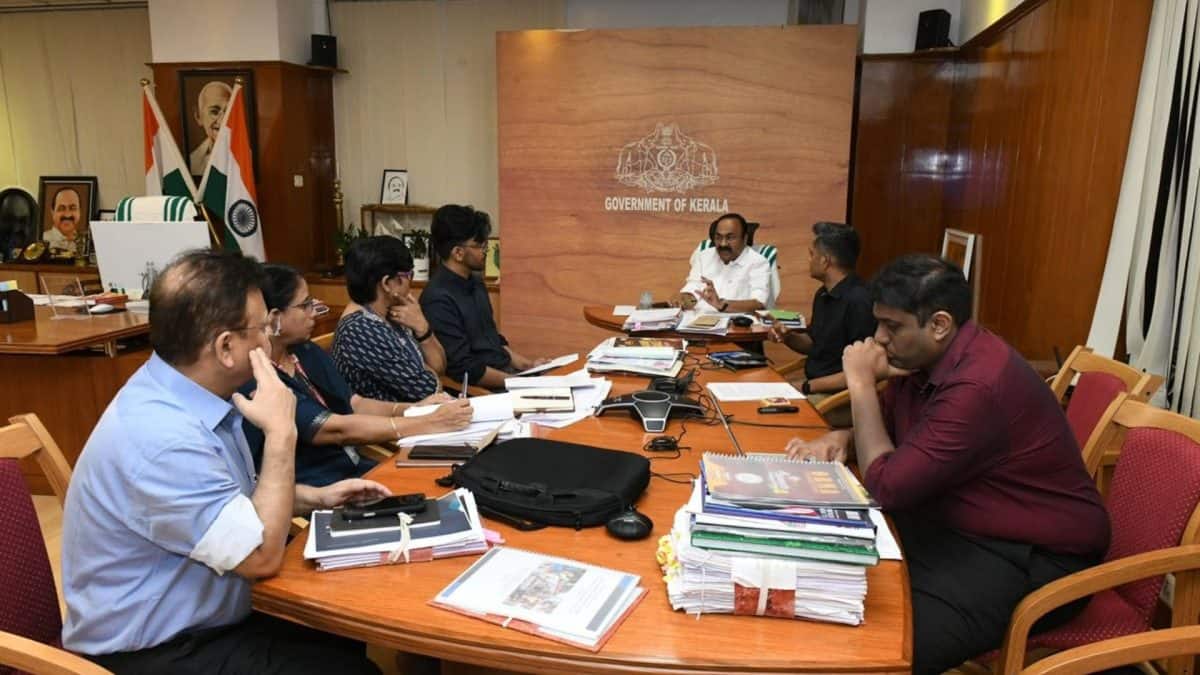
The government is working on a new elder-care law covering everything from caregiver certification and home-based care to digital fraud safeguards and senior-friendly services
The Kerala government is working on a new law to strengthen the rights, welfare and protection of senior citizens as the state’s population continues to age.
Chief Minister VD Satheesan chaired a high-level meeting to review the draft Keralam State Elderly Persons (Care and Protection) Bill, 2026, along with the proposed Keralam Policy for Elders. He directed officials to complete the remaining procedures at the earliest so that the proposed framework can move forward, reported news agency PTI.
The aim of the legislation is to create a more holistic support system for elderly people across the state, to help them lead healthy, active and independent lives.
One of the key priorities of the proposed bill is to help older people remain in their own homes and familiar family or community surroundings for as long as possible.
At the same time, the government plans to bring stronger regulation to institutional elder-care services. This would include elder-care centres, assisted living facilities, day-care homes and home-care agencies.
The proposed framework would set standards for these services and introduce mechanisms to monitor their functioning and ensure accountability.
The bill also seeks to make caregiving a more professional and organised sector.
Under the proposed Keralam Geriatric Care Certification Framework, caregivers would have to undergo specialised training, obtain certification and clear background checks. The government also plans to maintain a central registry of trained caregivers.
The aim is to improve the quality and safety of care provided to senior citizens while also creating a pool of trained professionals who can meet the growing demand for elder-care services.
Push for a ‘silver economy’
The government also wants to turn the needs of an ageing population into new economic opportunities.
The proposed ‘silver economy’ could include senior-friendly products and services, healthcare, technology, entrepreneurship and other businesses catering specifically to older people.
Officials expect the growing demand in these areas to create new opportunities for skilled employment while improving access to services for senior citizens.
The proposed legislation will also include measures to protect older people from digital and financial fraud.
State- and district-level mechanisms will be created to oversee implementation, monitor services and address complaints. The framework will also include specific provisions for elderly people who need intensive medical or physical support.
The proposed bill and policy come after the establishment of a dedicated department for senior citizens, which was one of the government’s manifesto commitments.