
MCD’s blind spot: Internal alterations difficult to detect, say officials
Read at The New Indian Express1 outlet covered this
MCD’s blind spot: Internal alterations difficult to detect, say officials
How outlets told it
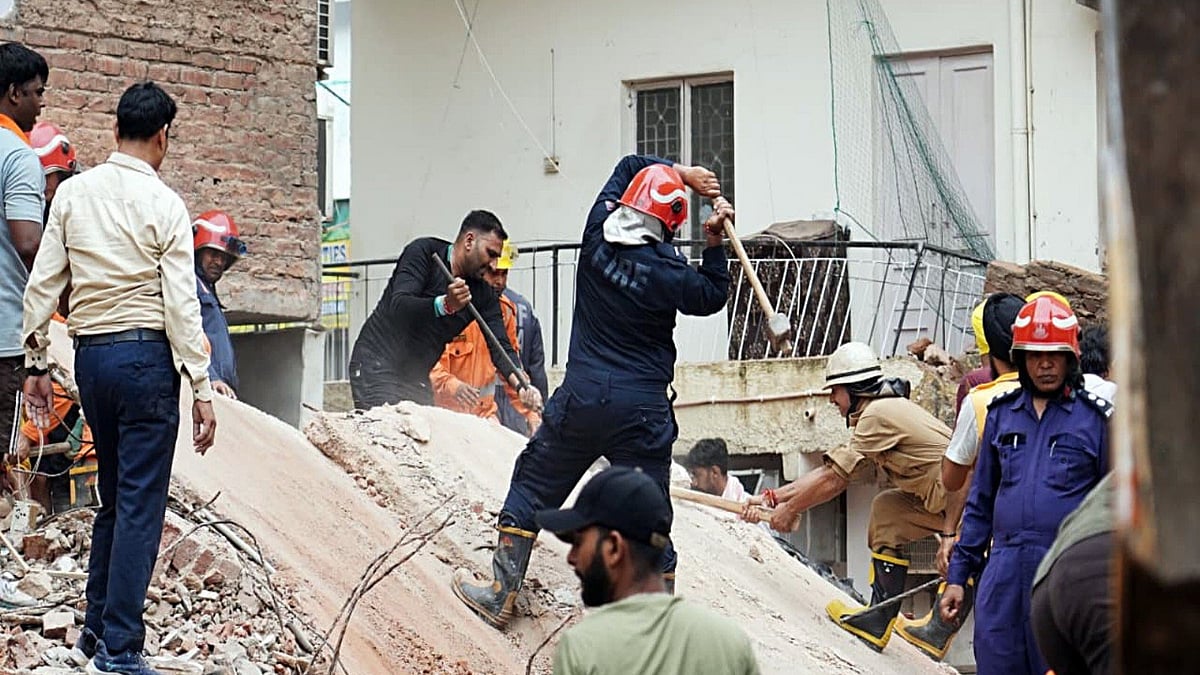
The challenge is identifying when work has moved beyond permissible repairs or involved unauthorised changes inside a building.As per the civic body, “no MCD building permit or notice is required for minor repairs and alterations that do not change built-up area or cubic content or violate structural, fire-safety or building norms such as plastering, flooring, re-roofing, internal partitions, painting, doors or windows, parapets and boundary walls.”Complaints and information from the public are among the important ways such violations come to the civic body’s notice, the official said. But limited resources prevent the department from keeping a physical watch over every property. Construction may also be carried out during weekends or holidays, when routine inspections are less likely, he said.Moreover, the gap between an approved plan and what actually exists on the ground was also highlighted in a 2015 Delhi High Court PIL on the poor structural stability of buildings in Delhi, filed by advocate Arpit Bhargava.Bhargava cited the example of a building sanctioned for three floors. After the building is completed and approvals are obtained, an additional floor could be added without authorisation, he said. The sanctioned plan would still show only the three approved floors, leaving a gap between the approved plan and the structure on the ground.Thus, even a building with a completion certificate could subsequently become non-compliant if additional construction was carried out, he argued.