
Congress-ruled states to jointly challenge MMDR Act in Supreme Court
Read at Business StandardPolitics · 1 outlet covered this
Congress-ruled states to jointly challenge MMDR Act in Supreme Court
How outlets told it
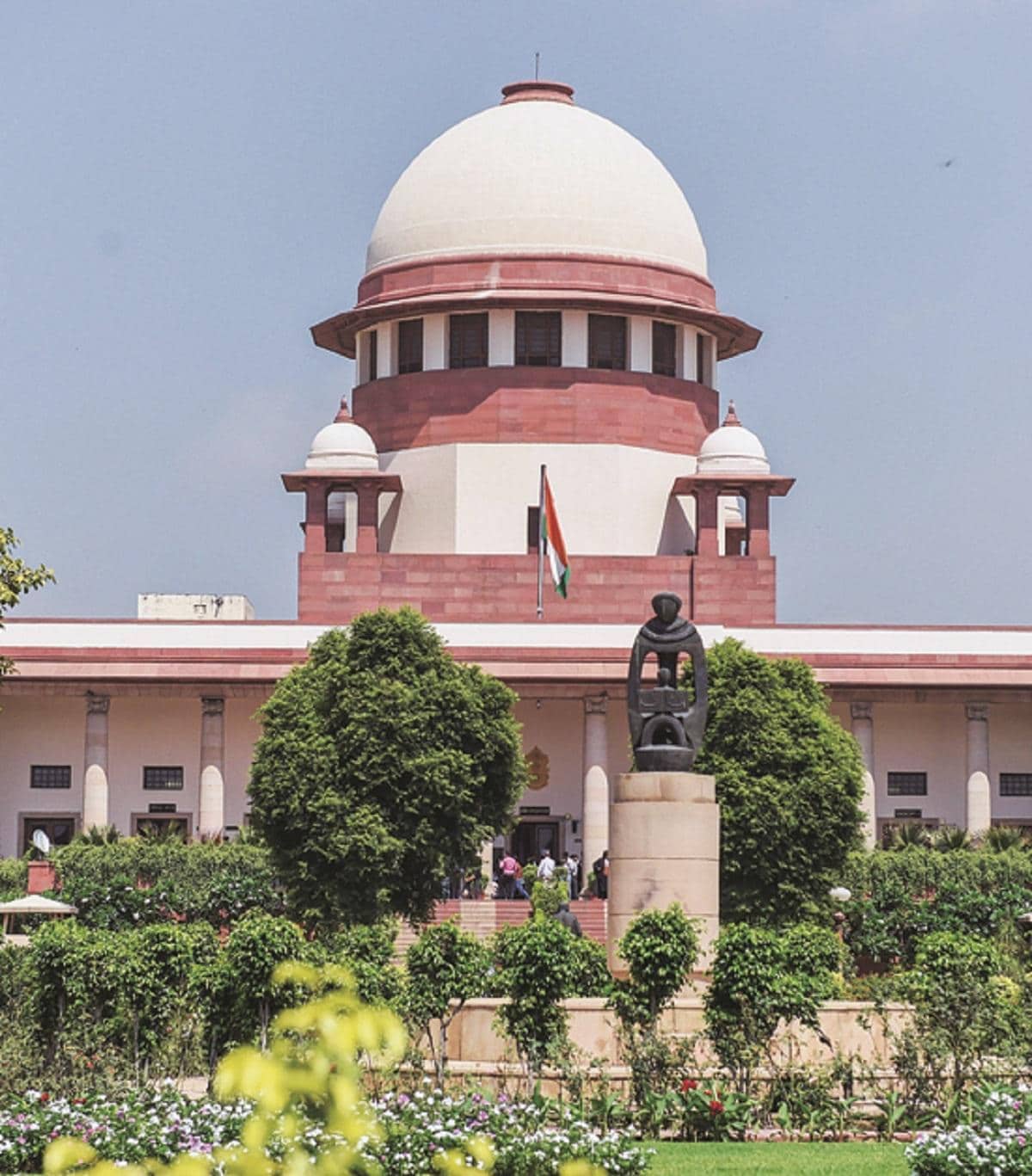
The Congress governments in Karnataka, Kerala and Telangana are set to jointly challenge the newly enacted Mines and Minerals (Development and Regulation) Amendment Act, 2026, in the Supreme Court, Congress general secretary Jairam Ramesh told reporters in New Delhi. “A petition has already been prepared, and we will approach the court within 10 days,” said Ramesh. The three chief ministers of Congress-ruled states were in New Delhi on Wednesday for a meeting of the Congress Working Committee, where the party leadership discussed the implications of the amended mining law with them, he said. The Congress also plans to bring Jharkhand on board for the legal challenge, he added. Meanwhile, members of Left parties, including CPI, CPI(M), CPI(ML) Liberation, Socialist Unity Centre of India-Communist (SUCI-C) and Forward Bloc, announced on Thursday in Ranchi that they will launch a week-long protest against the MMDR Act across Jharkhand from August 25. “As part of the protest, we will burn copies of the Bill in every village, block and district of the state from August 25 to 31, and raise public awareness about how this move will bring all our development work to a standstill,” CPI state secretary Mahendra Pathak said. Pathak added that if the Centre does not roll back the Act, Left parties will resort to an economic blockade, Jharkhand bandh and road blockades. “We will halt all their dispatches, including those via rail. If coal supplies from here are stopped for just one week, the lights in Parliament will go out,” he said.Also Read The move by Congress-ruled states could turn the Centre-state dispute over mineral taxation into a coordinated constitutional challenge. The MMDR Amendment Act, which received Presidential assent earlier this week, places restrictions on state governments imposing taxes, cess and other levies on mineral rights and “mineral-bearing lands”, except in accordance with “conditions or restrictions” prescribed by the Centre. The legislation followed the Supreme Court's landmark 2024 judgment in Mineral Area Development Authority versus Steel Authority of India, in which a nine-judge Constitution Bench held that states have the power to tax mineral rights under Entry 50 of the State List. The court had also held that Parliament could impose limitations on the exercise of that power through a law relating to mineral development. The top court also recognised the legislative competence of state legislatures to tax lands comprising mines and quarries under Entry 49 of List II of the Seventh Schedule and held that mineral-bearing land falls within the expression “lands” for this purpose. The apex court held that states could tax land under Entry 49 and that Parliament’s powers to impose limits under Entry 50 did not extend to Entry 49. The new law seeks to alter that framework by bringing mineral-bearing lands under the regulatory control of the Centre, opening the door for legal challenge from states. Jharkhand Chief Minister Hemant Soren, in a letter to Prime Minister Narendra Modi on August 13, touched upon this constitutional and legal issue. “The Constitution nowhere subjects the States' taxing power over “lands” under Entry 49 to any Parliamentary limitation of this kind,” Soren said in the letter. Kerala had warned last week that it could explore legal action against the legislation, with state Chief Minister V D Satheesan arguing that the law amounted to an encroachment on the State List and the state’s constitutional rights over land. The Centre, meanwhile, has defended the amendment on the grounds that divergent and excessive state-level levies can raise the cost of domestic minerals, make them less competitive with imports and ultimately affect downstream industries. The Mines Ministry has also said that around 90 per cent of total taxes and statutory payments from mining accrue to states, and that this broad revenue-sharing arrangement will continue under the new law. (With inputs from PTI)