Keralam CM's deepfake dance video sparks debate on India's AI laws
Read at Asianet NewsablePolitics · 1 outlet covered this
Keralam CM's deepfake dance video sparks debate on India's AI laws
How outlets told it
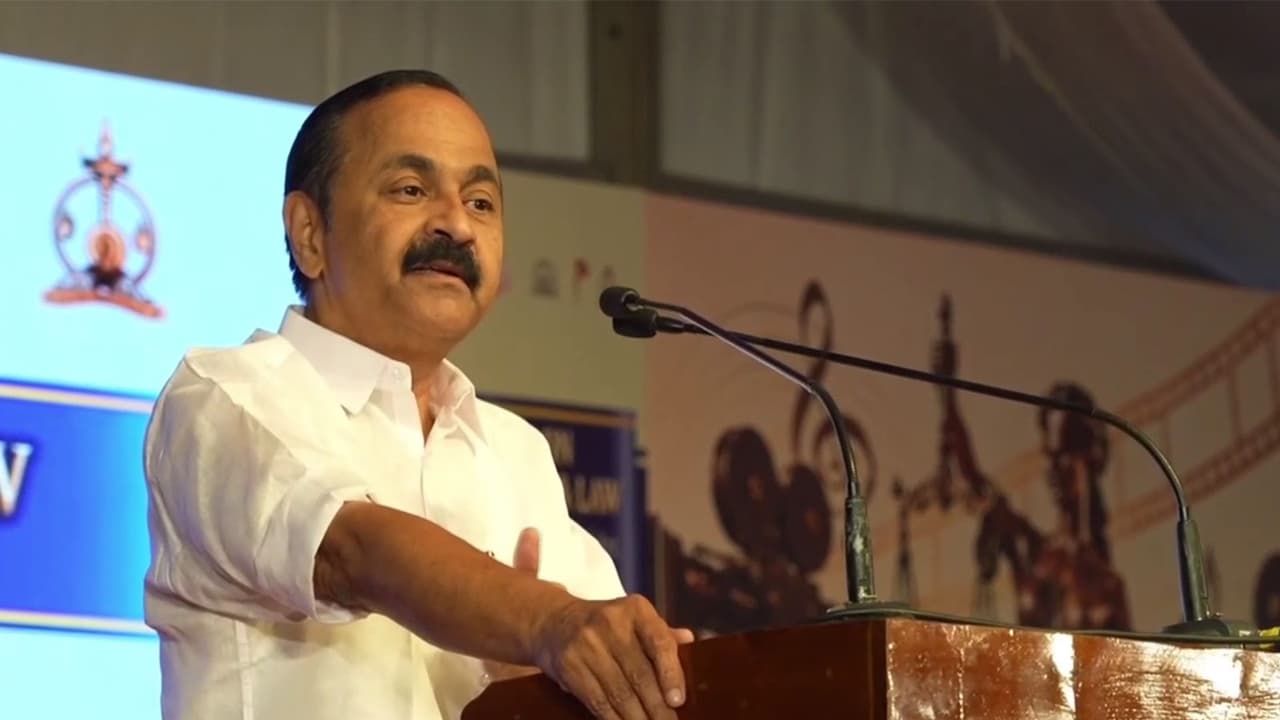
<p>A viral deepfake that showed Keralam Chief Minister VD Satheesan dancing so convincingly that he joked he was "dancing better than Mohanlal" has pushed him to raise a more serious question, whether India's laws are keeping pace with the rapidly evolving capabilities of artificial intelligence.</p> <p>The AI-generated video, which showed Satheesan dancing alongside Kerala State Electricity Board (KSEB) employees to the popular Tamil film song "Ala Bolelo," quickly went viral on social media. The clip appeared against the backdrop of a power shortage in the state, turning the ongoing electricity crisis into fodder for political satire and memes.</p> <p>For Satheesan, however, the video became more than a social media joke. Speaking at a seminar on "Music, Cinema and Law" in Ernakulam, jointly organised by the Kerala Judicial Academy and the National University of Advanced Legal Studies (NUALS), the Chief Minister recalled being surprised by the realism of the digitally fabricated video and used his experience to highlight the legal challenges emerging from generative AI.</p> <p>"I saw the video and found that I was dancing better than Mohanlal and my friend, Tamil Nadu Chief Minister Vijay. I was stunned and shocked," Satheesan joked. While recounting the incident in a lighter vein, Satheesan turned to the implications of technology that can now digitally recreate a person's face, voice, movements and performances. "Now Artificial Intelligence is creating music, creating dance, creating everything. How can we interpret in law of the new technologies' creations?" he asked.</p> <h2>India's Existing Legal Framework on AI</h2> <p>Satheesan's question, however, is not merely rhetorical. India does, in fact, already have a law written specifically for this problem: the Information Technology (Intermediary Guidelines and Digital Media Ethics Code) Amendment Rules, 2026, notified by the Ministry of Electronics and Information Technology on February 10, 2026, and in force since February 20. The rules introduced India's first statutory definition of "synthetically generated information," require large platforms to label AI-generated content and preserve traceable metadata, and most significantly, impose a three-hour window for platforms to take down flagged synthetic content once a valid government or court order is issued, one of the tightest such deadlines of any country's regulatory regime.</p> <p>On August 5, 2026, Congress MP Karti P Chidambaram asked the Lok Sabha directly for the number of deepfake complaints received through the National Cyber Crime Reporting Portal and CERT-In over the previous two years, and for the number of takedown requests issued to platforms since the new rules took effect, along with what percentage were complied with inside the three-hour window. Minister of State for Electronics and IT Jitin Prasada, in his written reply, listed the legal provisions available to prosecute deepfake-related offences and restated what platforms are required to do under the rules.</p> <p>The rapid spread of AI-generated content is taking place alongside a sharp rise in cybercrime and digital fraud in India more broadly. The Press Information Bureau, in an October 2025 feature on cyber fraud, said reported cybersecurity incidents rose from 10.29 lakh in 2022 to 22.68 lakh in 2024, more than doubling in two years as internet penetration crossed 86 per cent of households. The government's own assessment flagged deepfakes, spoofing and AI-driven phishing among the "emerging cyber threats" amplifying the scale and sophistication of online fraud.</p> <p>India's response has included a growing enforcement infrastructure. The Samanvaya Platform, along with its crime-mapping "Pratibimb" module, has helped drive nearly 13,000 arrests and identify more than 1.5 lakh criminal linkages, according to government data. Authorities have also blocked more than 9.4 lakh SIM cards and 2.6 lakh IMEIs linked to fraudulent activities. A financial fraud reporting system has helped recover over Rs 5,489 crore across 17.82 lakh complaints. These numbers measure cyber fraud broadly, SIM blocking, mule-account tracing, financial-fraud recovery, not deepfakes specifically.</p> <h2>Focus on Intellectual Property and Copyright</h2> <p>Against this backdrop, Satheesan framed his concern less around fraud and more around intellectual property. "Law is living law, law is changing time to time. I hope that after the introduction of this future technology, there should be many changes in the legal framework also," he said, pointing specifically to copyright, intellectual property and piracy. "Existing laws should be amended wherever necessary to protect the film industry from being pushed into a crisis," he said.</p> <p>That framing puts Satheesan's remarks in a different lane from the fraud-and-platform-regulation debate playing out over the IT Rules amendment. His concern is less about deepfakes being used to scam citizens, and more about AI's ability to replicate performers' likeness, voice and creative style without consent or compensation, an issue India currently handles through a patchwork of Copyright Act provisions and court-made personality-rights doctrine, rather than a dedicated statute.</p> <p>India currently addresses different aspects of AI-generated content this way: through a combination of existing laws and regulatory provisions, rather than a single comprehensive law governing deepfakes and the unauthorised use of an individual's likeness.</p> <p>What began as a digitally manufactured dance performance featuring Satheesan thus provided the Keralam Chief Minister with a real-world example of the speed at which AI is moving, and the question of whether the law can move just as quickly. (ANI)</p> (Except for the headline, this story has not been edited by Asianet Newsable English staff and is published from a syndicated feed.)