
Soaring temperatures, humidity drive up snakebites in Kerala; 18 fatalities recorded since April
Read at The New Indian Express1 outlet covered this
Soaring temperatures, humidity drive up snakebites in Kerala; 18 fatalities recorded since April
How outlets told it
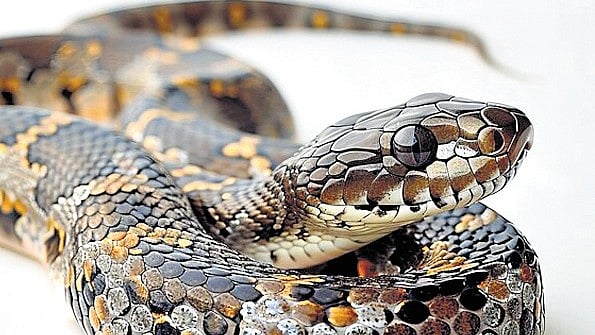
THIRUVANANTHAPURAM: A worrying cocktail of soaring temperatures, high humidity and acute 27% rainfall deficit has drastically disrupted Keralam’s ecological calendar, forcing venomous snakes out of hiding months before than expected and triggering a wave of snakebite deaths.
The state has recorded 18 snakebite fatalities in 2026-27, matching the toll of the entire last fiscal in barely six months. Last week alone saw two deaths.
The spike interrupts a downward trend in snakebite deaths from a high of 123 in 2018-19 to 34 in 2024-25 and 18, the lowest, in 2025-26. For the state, reaching 18 deaths before the end of the second quarter marks a public health emergency.
Rescue volunteers with SARPA (Snake Awareness, Rescue and Protection App) network are handling over 2,000 distress calls a month, up from a non-peak average of 1,500. The number is expected to surge as weather anomalies persist.
Historically, health and wildlife officials expect snakebite incidents to surge in October and November with the onset of Northeast Monsoon. However, environmental anomalies have shattered this pattern and triggered an unseasonal wave of human-reptile conflicts.
Meteorologists attributed the anomaly to an erratic Southwest Monsoon season, where prolonged rain breaks and El Nino-induced dry spells have led to summer-like heat conditions in the state.
Ecological disruption alters species behaviour
Experts said while these cold-blooded reptiles seek refuge during extreme heat, prolonged dry spells force them out in search of water. The high heat paired with humidity drastically elevates their stress levels, altering their natural defence mechanisms, they said.
“Snakes normally avoid confrontation and frequently deliver ‘dry’ or fake bites to conserve venom for hunting prey,” said Muhammad Anvar Yunus, state nodal officer of Mission SARPA. “However, when subjected to severe thermal stress, their defence thresholds drop and they tend to bite defensively with full venom injection rather than a warning strike.”
The ecological disruption is also reshaping species behavior. The elusive Common Krait (Vellikettan), a highly venomous nocturnal species that typically remains hidden, is increasingly being spotted in open day-lit spaces. As per experts, the intermittent rain draws out termites (chital) and winged insects (eeyal), which congregate under streetlights and near open water. This attracts frogs and lizards directly into human settlements, which in turn draws these venomous predators, Yunus said.
Agricultural laborers, plantation workers, and villagers fetching firewood or navigating unlit paths in the late evening face the highest exposure. In response, wildlife and health authorities have urged residents to clear overgrown brush around walkways, cover open water wells, maintain adequate perimeter lighting and exercise extreme caution when stepping outdoors after dusk.