
Marathi for drivers: What Fadnavis’s pause order says about Sena-BJP rivalry
Read at The Indian ExpressPolitics · 1 outlet covered this
Marathi for drivers: What Fadnavis’s pause order says about Sena-BJP rivalry
How outlets told it
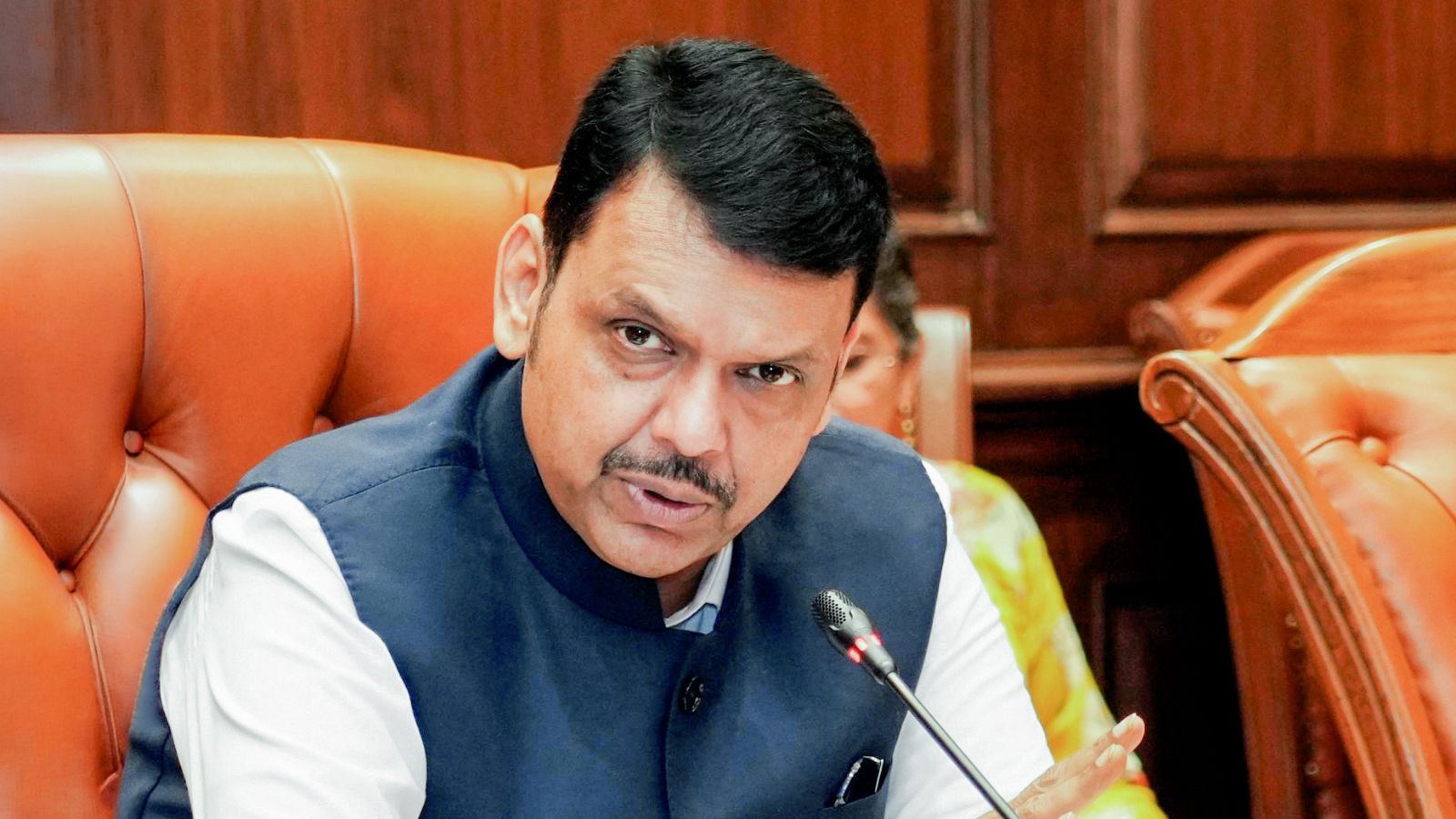
The Mahayuti government’s handling of the Marathi language requirement for auto-rickshaw and taxi drivers has exposed differences between two ruling allies – the BJP and Shiv Sena.The decision came even as Shiv Sena leaders, particularly Pratap Sarnaik, the Sena minister who handles the transport portfolio, had publicly defended the requirement and the need for enforcement. The timing of Fadnavis’s decision is significant as it came a day after Deputy Chief Minister Eknath Shinde distributed certificates to 20,000 drivers in Borivali who had completed Marathi language training. Shinde had sought to project the issue through a campaign encouraging non-Marathi-speaking drivers to learn the language.
“The timing is important. The issue had started becoming a contest over who was seen as championing Marathi. Shinde had just held a large programme around the campaign. The Chief Minister’s announcement shifts the focus from enforcement to giving drivers time to learn. It also shows that the CM took the decision by overriding the Transport Minister, who had issued the government notification for enforcement,” sources said. Observers also see the CM’s move as an attempt to defuse an issue that had begun triggering protests while retaining the broader Marathi requirement. It also raises questions within the Shiv Sena about who has the authority to lead the issue and claim political credit for it. Announcing the decision, Fadnavis said representatives of driver organisations had met him through Haji Ashraf – BJP leader who was speaking on behalf of auto and taxi drivers with the government – and requested additional time. “Their demand was that there are different age groups of people and there is a huge gap in their education and profession, and it is difficult for them to learn within such a short time. So they should be given one year’s time. The state government has accepted their demand,” Fadnavis said at a press conference at Sahyadri Guest House. He said that the government would arrange classes and prepare learning material to help them acquire basic Marathi.
Sarnaik ‘accepts’ decision Sarnaik accepted Fadnavis’s decision but emphasised that the Chief Minister was aware of the Marathi-learning campaign being undertaken by the Shiv Sena. The minister claimed that around 1.65 lakh auto-rickshaw and taxi drivers had learnt Marathi in 105 days, indicating that the decision to extend the timeline did not come from his department. “We have waited 36 years for the implementation of the 1989 rule, so waiting another year is not an issue. But after one year, there should be no further demands for extension. If you want to do business in Maharashtra, you will have to speak Marathi,” Sarnaik said. He also clarified that the government did not intend to cancel badges or licences and deprive drivers of their livelihood. “This is a government that provides employment, not one that takes away employment,” he said.
Why Marathi matters to Sena For the Sena, Marathi is more than a government policy and is closely tied to the party’s history and political identity. Bal Thackeray founded the party in 1966 after building a following through the Marmik, a magazine where he highlighted the concerns of Marathi-speaking people in Mumbai. The party’s early politics focused heavily on the rights of the “Marathi manoos”, particularly in relation to jobs and economic opportunities. Marathi identity has remained central to the Sena’s politics for decades. That history makes the language issue especially important for the Shinde-led Sena, which now shares power with the BJP. The party must demonstrate that its Marathi identity remains relevant while operating within the broader Mahayuti alliance. The auto and taxi campaign offered the Sena an opportunity to present Marathi not merely as a demand but as a programme through which non-Marathi-speaking workers could be encouraged to learn the language. Shinde’s take Addressing the event where his party distributed certificates, Shinde described the gathering as evidence that people were learning Marathi willingly. “Marathi is not a language that divides, but one that connects,” he said. “The birthplace may be Uttar Pradesh, Bihar or another state, but Maharashtra is the place of work.” Shinde, who has spoken about driving an auto-rickshaw early in his career, said drivers should be able to use Marathi in ordinary interactions with passengers. He argued that Marathi should not be limited to asking passengers where they wanted to go, but should also allow drivers to communicate with elderly passengers and assist them when necessary. Shinde also praised Sarnaik for bringing writers, language experts, teachers and Marathi organisations into the training programme.
Unease within Sena The Chief Minister’s decision is likely to unsettle sections of the Sena, according to party insiders. Two Sena leaders, seeking anonymity, said there was disappointment that the government announced the longer deadline immediately after the party had showcased its Marathi training programme. One leader said the concern was not about giving drivers more time, but about who was seen as taking the final decision. “The party has been working on this for months. The campaign had become a visible Sena programme. Naturally, some people feel the announcement could have been handled differently,” the leader said. The unease is also linked to Sarnaik’s earlier public position. “He had defended the enforcement process, while Fadnavis has now ordered that there be no punitive action for a year,” a source said. BJP’s calculations The BJP, meanwhile, has its own calculation. The language issue has already moved beyond Maharashtra, with Samajwadi Party (SP) chief Akhilesh Yadav criticising the language requirement. Sarnaik responded by telling Yadav to focus on Uttar Pradesh rather than Maharashtra. With the Uttar Pradesh Assembly elections approaching, BJP leaders have little interest in allowing the issue to develop into a wider Hindi-versus-Marathi confrontation. “The BJP has to balance Marathi sentiment in Maharashtra with its support among Hindi-speaking voters. It cannot afford a policy meant for drivers to become a larger language fight,” said an observer. The one-year extension therefore gives the government a way to retain the Marathi requirement while removing the immediate threat of action against drivers. ‘Game over for those playing politics’ Ashraf, a member of the delegation that met Fadnavis, welcomed the decision and said drivers would use the additional year to learn Marathi properly. “We put all the problems faced by auto-rickshaw and taxi drivers before the CM and requested him to give us one year. We will learn basic Marathi,” he said. Ashraf also appeared to take an indirect swipe at those who had been pushing for strict enforcement, saying, “Now those who were playing politics over this issue and were threatening action, their game is over.”