

The New Indian Express ·
Nepal flood puts a human face on the Himalayas’ rising climate toll
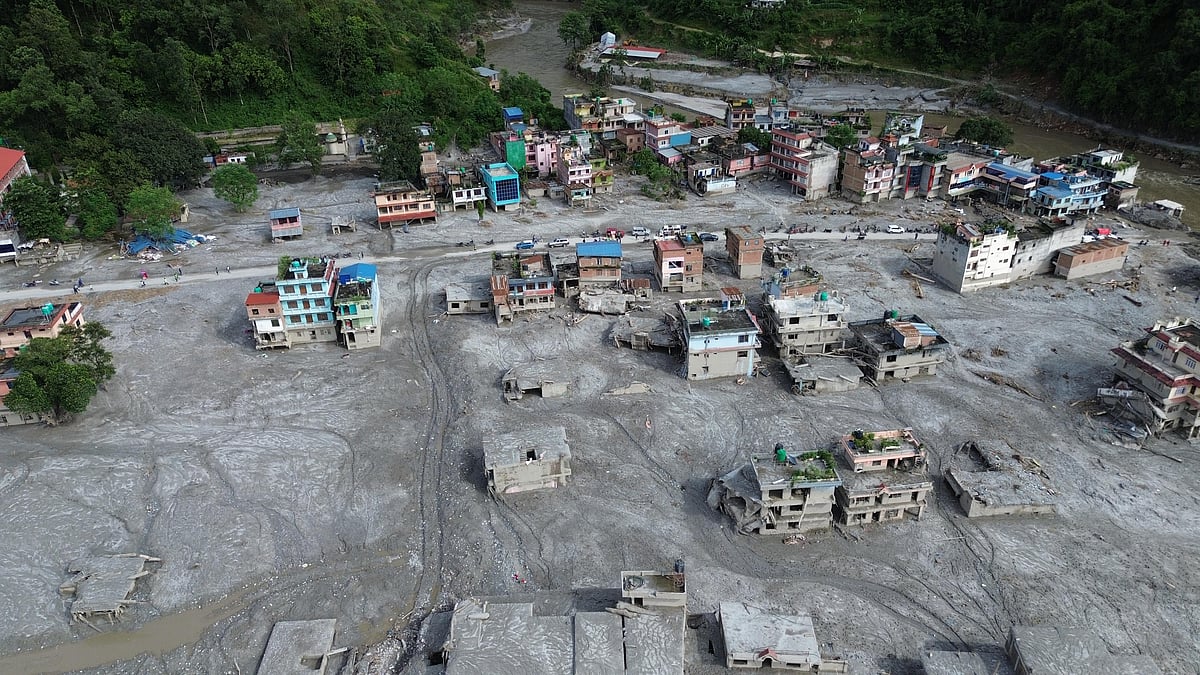
Jahangir Alam (55) has stopped trying to count what he lost. His house in Devighat is gone. So is his shop. The mosque where he served as Imam, and the madrasa where 15-16 children attended classes morning and evening, are no longer places he can return to. Nine members of his family escaped with what they were wearing. “I couldn’t sleep for three or four nights due to terror,” Alam told this reporter from a holding centre. “I only managed to sleep last night after taking sleeping pills.”
Devighat once had around 350 to 400 houses and a population of about 1,400. Alam says not a single house is now fit for habitation. Around 15 to 20 deaths had been confirmed from the area when he spoke, but residents were still searching through debris for relatives and neighbours.
The flood that reached Devighat on August 26 was not the kind of flood residents had learnt to live with. It came through a chain of events that began high in the Himalayas, where a mass of rock and ice collapsed and gathered water, mud, boulders and debris as it descended into the Bhote Koshi and Trishuli river systems.