
 The Indian Express ·
‘Cancer in belly’: How Sardar Patel secured Hyderabad’s accession to India
Operation Polo anniversary: Why did Hyderabad's Nizam not join India in August 1947? What made Hyderabad so significant that Sardar Patel dealt with it cautiously?
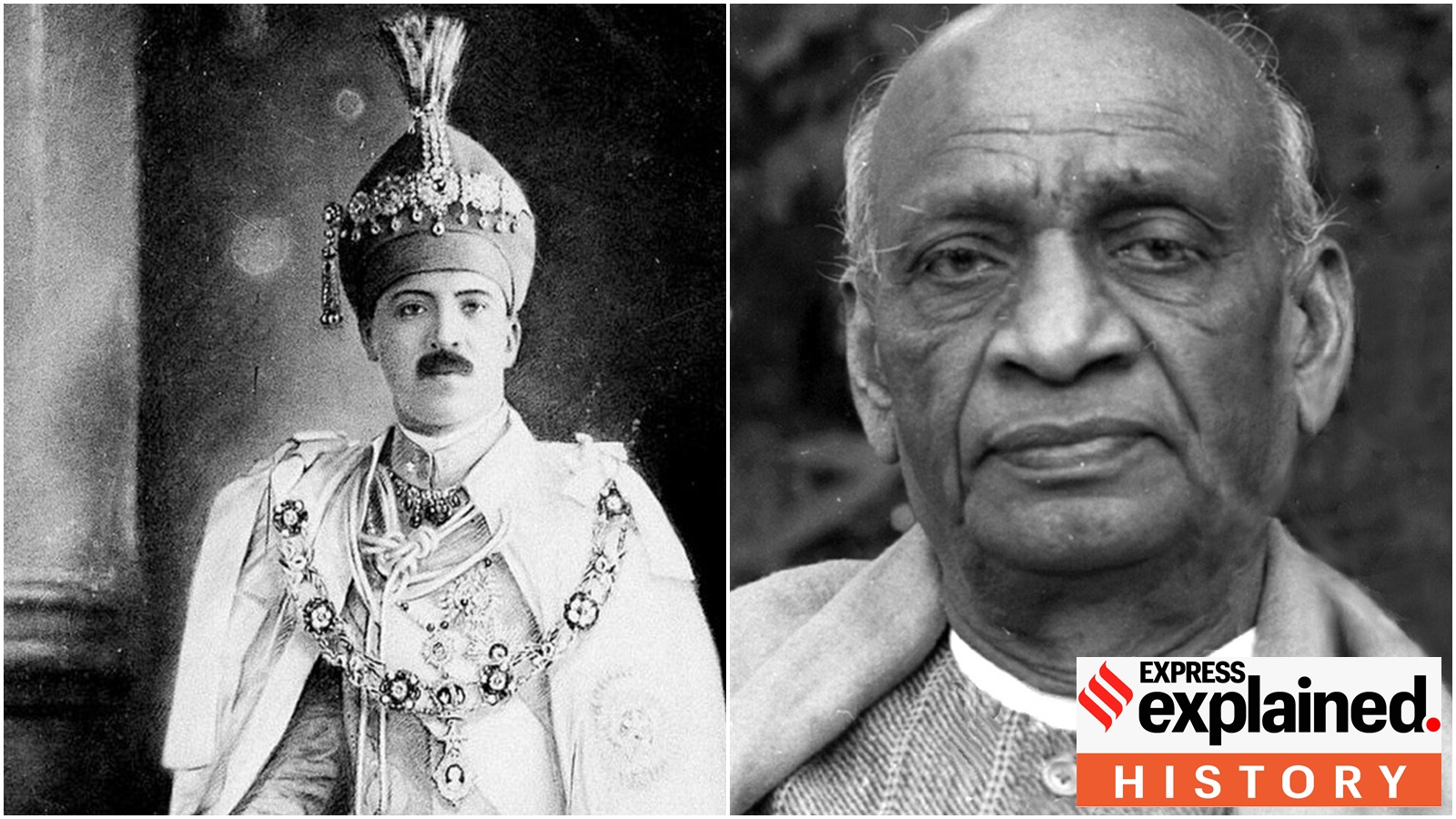
September 17 marks the anniversary of the accession of Hyderabad to independent India. This day in 1948 brought to a close a year-long saga that threatened to make the rich Deccan province a “cancer in the belly of India”, in the words of Sardar Vallabhbhai Patel.
Why did Hyderabad’s Nizam not join India in August 1947, like most other princely states? What made Hyderabad so significant that Patel dealt with it cautiously? What was the role of razakars, and why were peasant movements active against the Nizam? Here’s a brief history.
As the British prepared to leave India, liberating — and dividing — the land they had ruled for close to 200 years, the question of the 500-odd princely states so far under British control arose. The provinces were given the option of joining either India or Pakistan, or remaining independent. While most provinces on the Indian side of the border acceded, some harboured dreams of independence. Most significant among these were Jammu and Kashmir in the North, and Hyderabad in the south.
