 The Indian Express ·
Pregnancy after 40: What celebrity moms don’t tell you about fertility, IVF and pregnancy risks
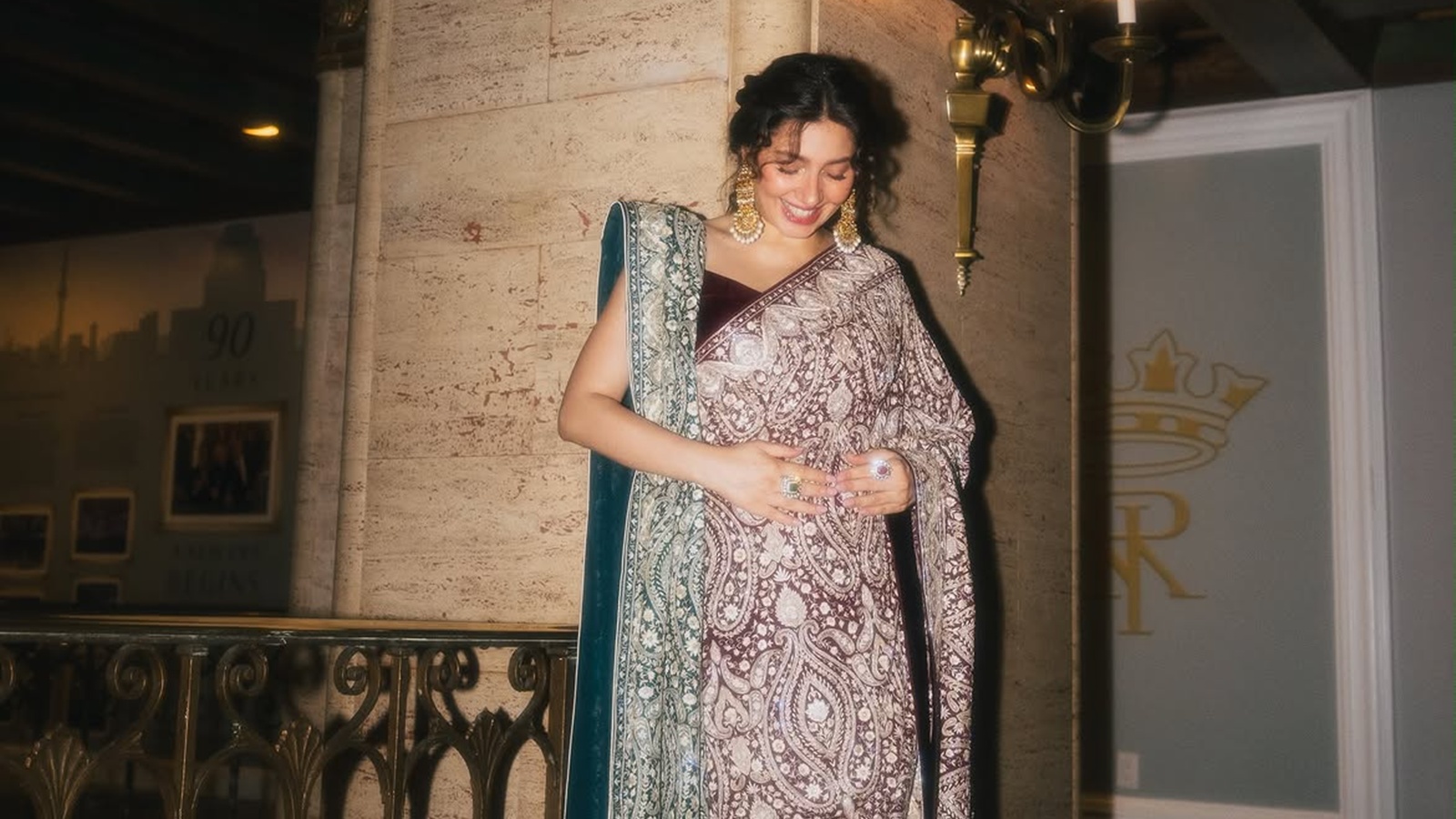
Mahira Khan at 41, Lady Gaga at 40 and Anne Hathaway at 43 are among the latest celebrity mothers or expectant mothers putting pregnancy in the 40s firmly in the spotlight. But while later motherhood is increasingly visible, the biology deserves a closer look
American singer-actor Lady Gaga is 40 and has just entered motherhood. Pakistani actor Mahira Khan, 41, has announced that she is expecting her second child. Hollywood actor Anne Hathaway, 43, is expecting her third. For women watching these stories, the message can feel both reassuring and aspirational: perhaps 40 is no longer a deadline for motherhood.
Pregnancy after 40 is possible, and many women have healthy pregnancies and babies in their 40s. But celebrity pregnancy announcements can obscure an important part of the story: the ability to become pregnant, the risks during pregnancy and the route to conception are not the same for every woman. “Pregnancy after 40 is possible, but it can be different from pregnancy at a younger age. And while women are entitled to delay their choices, they must also factor the challenges that are unique to them,” says Dr Neelam Suri, senior consultant, Obstetrics & Gynaecology, Indraprastha Apollo Hospital, Delhi. “What matters is understanding an individual woman’s fertility and overall health and planning appropriately rather than comparing one woman’s experience with another’s,” she told The Indian Express. Excerpts:
The first challenge is fertility itself. Women are born with a finite number of eggs, what we call ovarian reserve, and both the number and quality of those eggs decline with age. The decline becomes more pronounced as women move through their late 30s and into their 40s. As egg quality declines, the likelihood of chromosomal abnormalities rises, which can increase the chances of miscarriage and certain health conditions.

