 India Today ·
Dark mehendi looks better, but is it safe? Dermatologist explains the risks
A dermatologist has warned that unusually dark mehendi may contain PPD and other additives. The chemical can trigger lasting skin sensitisation, making future reactions possible.
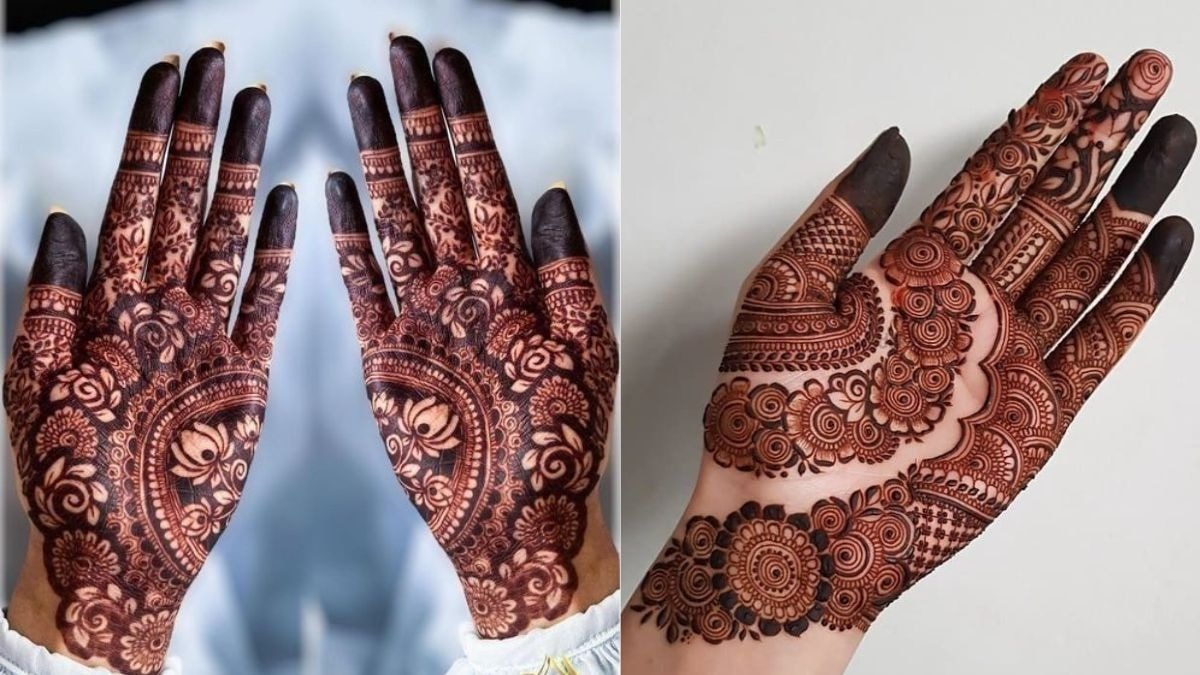
Natural henna usually leaves a reddish-brown stain, so a very dark or almost black colour may not be as harmless as it looks. As festive mehendi becomes popular during Ganesh Chaturthi and upcoming celebrations like Karwa Chauth, a dermatologist explains the possible risks of chemical additives.
Mehendi is an important part of celebrations in India. From Ganesh Chaturthi to Karwa Chauth and weddings, people often decorate their hands and feet with intricate henna designs. For many, the darker the stain, the better the mehendi is considered to be. But that deep black colour may not always mean that the henna is of better quality.
Natural henna does not usually produce a jet black stain. It typically leaves a reddish brown, orange brown or brownish colour on the skin. So, when mehendi appears unusually black or develops a very dark stain within a short period, it may indicate that additional chemicals or colourants have been used.
