 ThePrint ·
German hospitals prepare for war, drones and mass casualties
A report that gamed out what would happen if Russia invaded NATO territory: as many as 1,000 wounded soldiers could arrive in Germany each day as the country’s five military hospitals would quickly reach capacity.
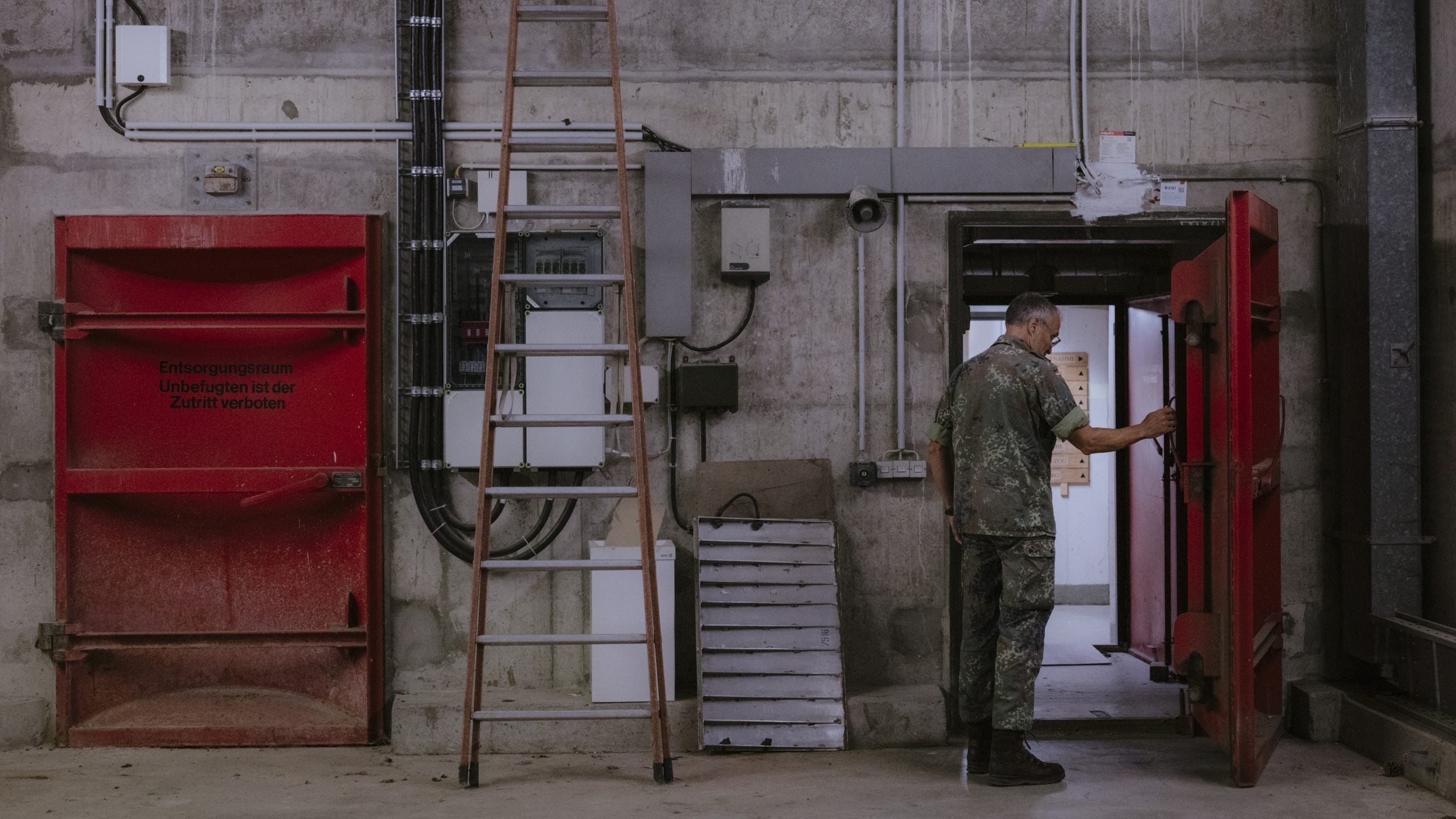
At first glance, the hospital in the southwestern German city of Ulm looks much like any other. Patients sit in reception areas waiting to be called, doctors roam the halls looking at reports or their phones. Only the uniformed soldiers among the staff hint at military ties. Yet many meters beneath its busy wards lies a Cold War-era bunker that has suddenly become relevant again.
The underground medical facility was completed in 1979 amid the standoff between Moscow and the West. It was designed to let doctors continue treating injured soldiers in the event of a nuclear strike, and can house up to 2,000 people for 90 days. For the better part of three decades, the labyrinthine facility sat dormant. Now, the German military is considering reviving it.
Across the country, government bodies are surveying Germany’s healthcare systems and infrastructure to see how — or if — they would stand up in a defense scenario. Since Russia’s invasion of Ukraine, Germany has seen a surge in hybrid attacks, such as an attempted strike at an airport by an explosive-laden drone in Leipzig last month and various cyberattacks targeting hospitals. German Defense Minister Boris Pistorius has warned that Russia may be in a position to attack NATO territory by 2029. If that were to happen, Germany would be obligated to come to the alliance’s defense, and given its position in the heart of Europe, the country would likely become a key transit hub for soldiers — and a destination for their medical treatment.


