 The Indian Express ·
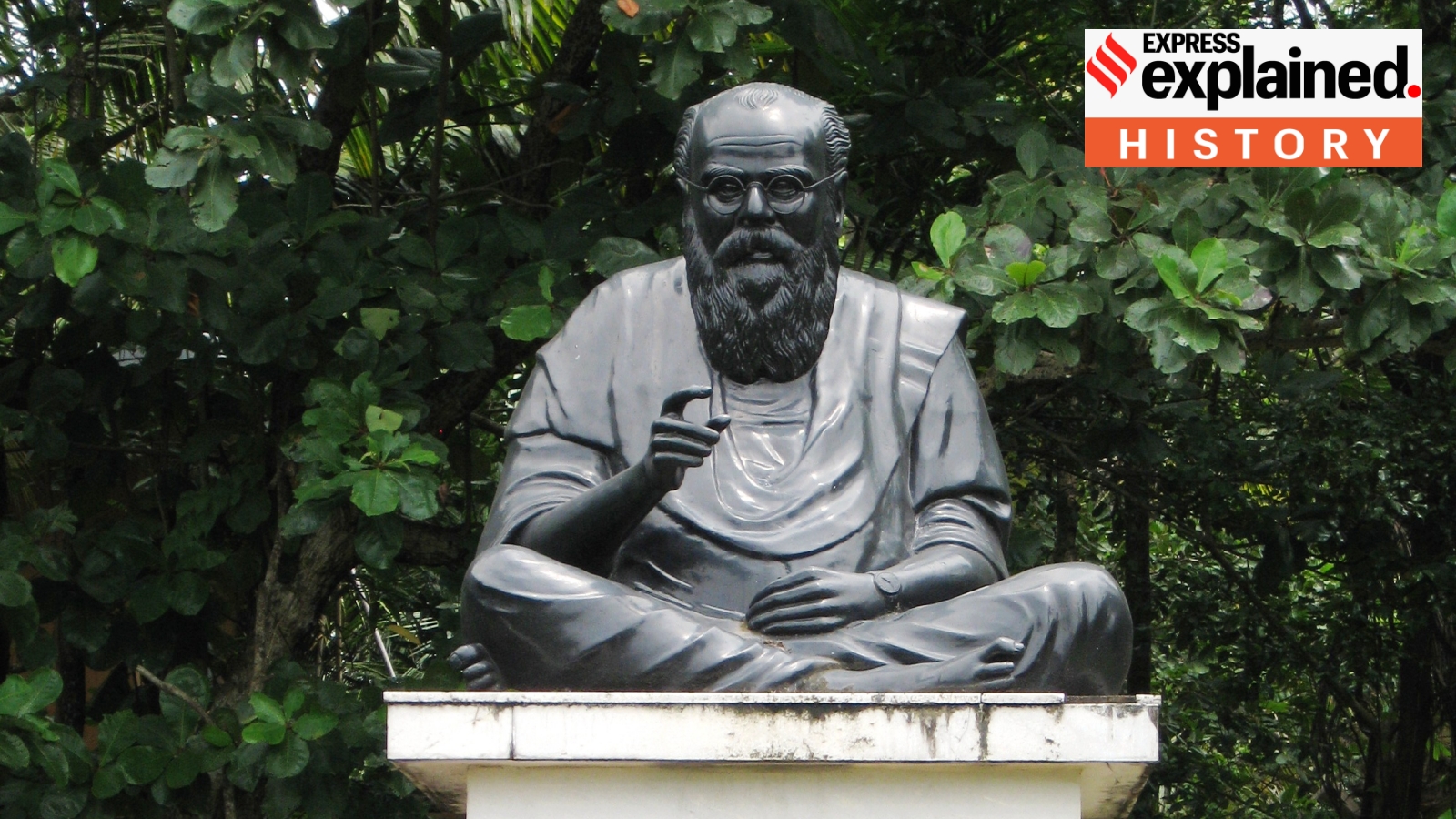
Who was Periyar? Remembering the ‘atheist who profaned the gods’
E V Ramasamy (1879-1973), known as ‘Periyar’, believed that women’s liberation and the annihilation of caste could not be achieved by invoking religion or tradition. He saw self-respect, rationalism, and socialism as the way forward.
Periyar was born in Erode in western Tamil Nadu to a Balija Naidu family, a Kannada-speaking, upwardly mobile community engaged in trade in the region. He married at 19. “Along with caste and religion, marriage would also be an institution that Periyar relentlessly attacked in his public life, criticizing it for the enslavement of women and distracting individuals from pursuing the common good,” write Venkatachalapathy and Manoharan.
He developed an early interest in municipal politics before turning to the Indian National Congress. He began observing the party in 1907 and attending its meetings. After the First World War, he joined the Non-Cooperation Movement and, following Gandhi’s call, actively promoted khadi. His campaigns for prohibition led to his arrest in 1922.
In 1924, Periyar became president of the Tamil Nadu Congress Committee. Yet even as a Congress activist, he demanded proportional representation for different communities in political offices and pressed the party to take a stronger stand against caste.