 Firstpost ·
Economy, business and finance
'Energy security of 1.4 billion people non-negotiable': India responds to US Russia sanctions bill
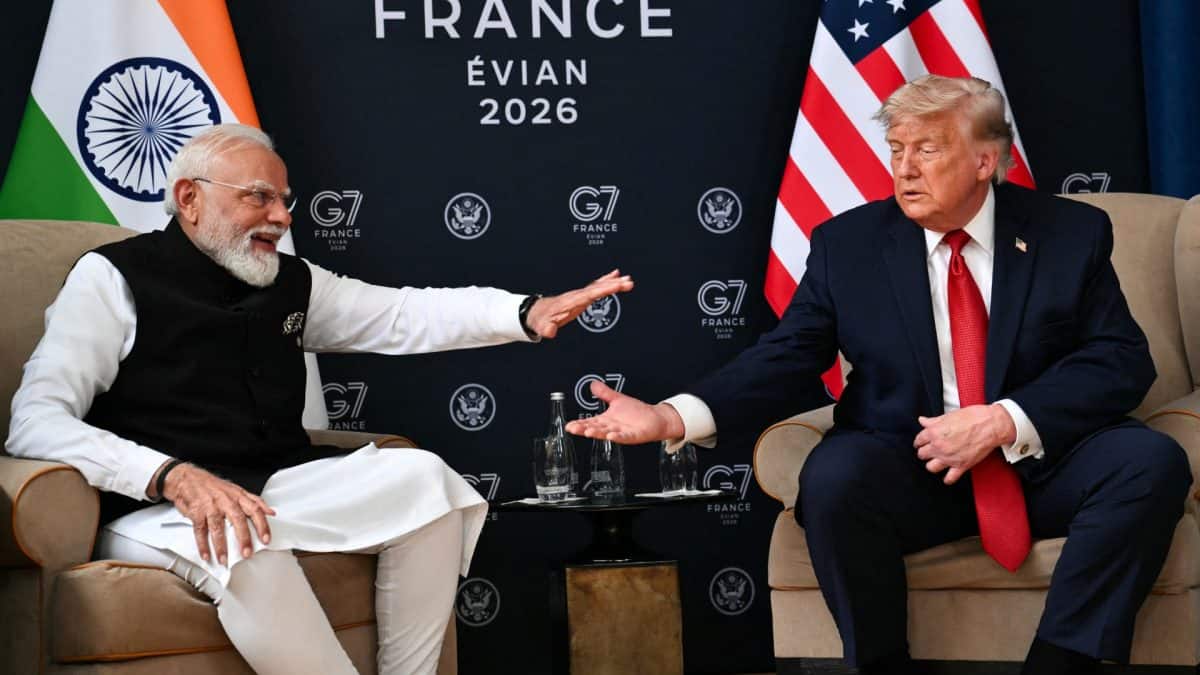
India said the issue has been discussed with Washington at high levels and warns that the US measures could affect not only bilateral ties but also global energy market
India said the energy security of its 1.4 billion people remains a priority after the US Congress passed a bill that could allow President Donald Trump to impose tariffs of up to 100 per cent on countries that continue to buy Russian oil and gas.
The Ministry of External Affairs said on Thursday that India is monitoring further developments and will take all necessary measures to protect its trade and economic interests.
“As stated on several earlier occasions, India remains firmly committed to ensuring energy security for its 1.4 billion people,” the MEA said. India will continue to secure energy through diversified sourcing and based on evolving market conditions, it added.
The statement came after the US House of Representatives passed the Lindsey O. Graham Sanctioning Russia and Iran Act of 2026 by 262 votes to 159. The legislation had earlier cleared the Senate and has now been sent to Trump.
The bill gives the US president powers to impose tariffs of up to 100 per cent on goods from countries that continue to buy Russian energy or help Russia evade sanctions.
However, the passage of the bill does not mean that a 100 per cent tariff has been imposed on India. Any such measure would depend on Trump signing the legislation and his administration deciding how to use the powers provided under it.
India says it has already raised concerns with US
The MEA said the issue has been discussed at high levels with US interlocutors in recent months.
India has clearly explained the possible impact of the legislation on both bilateral ties and international energy markets, the ministry said. “Its potential implications for not just the bilateral relationship but also the international energy market have been very clearly articulated by the Indian side,” the MEA said.
“The Indian side has also made clear its determination to take all necessary measures to protect its trade and economic interests,” the ministry said.
‘You better clean up your act’
The Indian response came after US Senator Richard Blumenthal called on India and China to stop buying Russian oil and gas.
“To China and India: You better clean up your act. Buy your oil and gas somewhere else. Appeasement is not a strategy,” Blumenthal said after the House passed the bill.
India has been among the largest buyers of Russian crude since the Russia-Ukraine war disrupted global energy trade. Russian oil became an important part of India's import basket after Western sanctions restricted Moscow's access to traditional European markets.
What does the Russia sanctions bill say?
The legislation seeks to increase economic pressure on Russia by targeting its energy revenues, financial networks and vessels involved in transporting Russian oil while evading sanctions.
It gives the US president authority to impose secondary tariffs of up to 100 per cent on countries that are among major buyers of Russian crude oil or natural gas, subject to the conditions set out in the legislation.
The measure also includes limited exemptions for countries that reduce their purchases of Russian energy.
The legislation extends sanctions related to Iran's energy and weapons sectors for five years.
Trump has previously indicated that he would sign the bill. If he does, the next issue will be how his administration implements the tariff provisions and which countries and goods are covered.
The legislation creates two linked concerns for New Delhi. The first is energy security. India imports most of the crude oil it consumes, making the availability and price of global supplies important for the wider economy.
A disruption to supplies or a sharp rise in global crude prices could increase costs for transport, industry and consumers and add pressure on inflation.
The second concern is trade. The US is a major market for Indian exporters. If additional tariffs are imposed on Indian goods, affected products could become more expensive in the US market.
The bill has also faced opposition within Congress.
A total of 152 Democrats voted against the legislation in the House. Critics have raised concerns about giving the president broad powers to impose tariffs and the possible impact on businesses and global markets.
Supporters argue that the tariff provisions are linked specifically to countries that continue to purchase Russian energy or assist in sanctions evasion.
India has not announced any immediate change to its Russian oil purchases following the congressional vote. Instead, it has said it will continue to monitor developments, diversify its energy sourcing and work with Indian industry to manage any economic impact.