 India Today ·
Politics
US says it destroyed 2 Iranian boats over alleged bid to seize drone near Hormuz
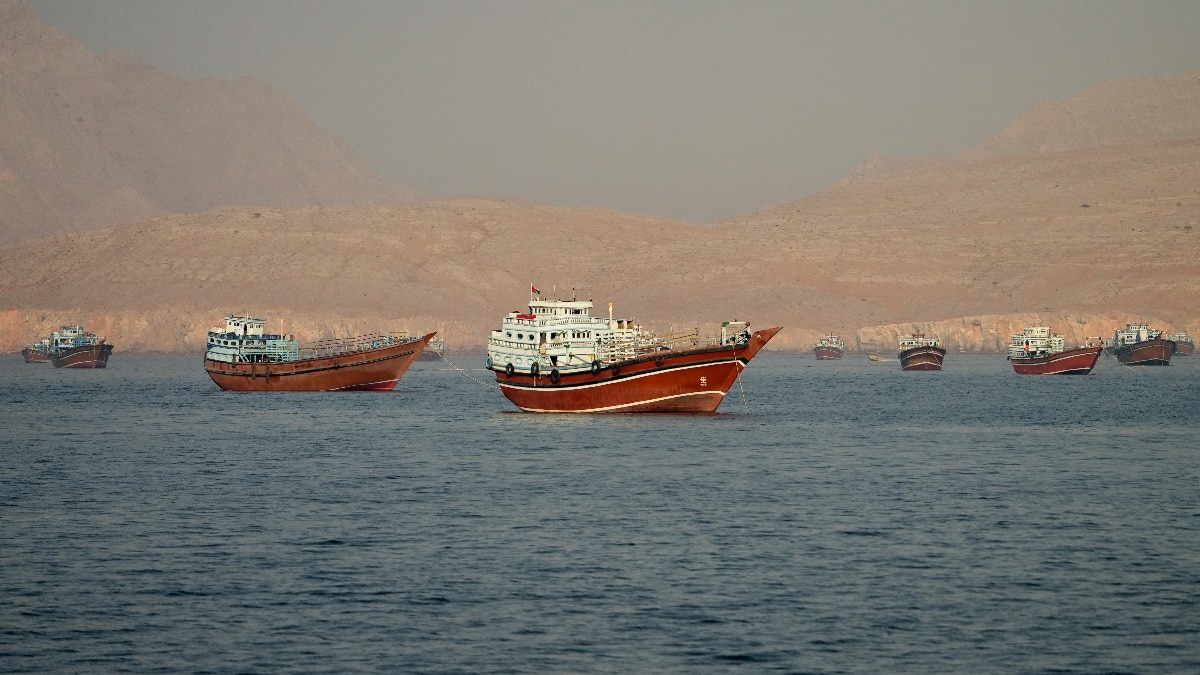
US forces destroyed two Iranian boats after what they said was an attempt to seize an American drone vessel. The clash has deepened Strait of Hormuz tensions, lifting oil pressure as diplomacy continues.
The US military said Tuesday it destroyed two Iranian boats after they allegedly attempted to seize an American unmanned vessel in waters off Iran, adding a new flashpoint to the more than six-month-old conflict centred on the strategic Strait of Hormuz.
US Central Command spokesman Capt Tim Hawkins said the Iranian boats recently tried to take control of a US unmanned surface vessel but were stopped after American forces "forcefully responded".
The vessel involved was a Saildrone, an approximately 25-foot (8-metre) unmanned craft that can operate autonomously and has been used by US Central Command for several years to monitor maritime traffic in the region. Hawkins said all US surface drones remained accounted for and described the technology aboard the Saildrones as commercially available and non-sensitive.
Iran gave a different account of the incident. Ahmad Nafisi, deputy governor of Hormozgan province, told the Islamic Republic News Agency that two fishing boats came under attack on Monday evening from what he called an "enemy drone" in the Persian Gulf. Iranian state media said several fishermen were missing. The report did not mention any attempt by the boats to seize a US drone.
The latest confrontation follows another dispute over US unmanned vessels near the Strait of Hormuz. A week earlier, Iranian state television said its navy had captured a US underwater drone at the entrance to the strait. Hawkins said the Anduril Dive-LD drone had malfunctioned while surveying the area and was no longer in US possession. He described it as an older, defective model that did not collect sensitive data or carry classified sonar or radar equipment.
The latest clash comes as Washington and Tehran continue to contest control of the Strait of Hormuz, a vital route for global energy shipments. The confrontation has also contributed to higher oil and fuel prices, adding economic pressure as efforts continue to reopen the waterway.
US Secretary of State Marco Rubio spoke with Oman's foreign minister on Tuesday about Muscat's efforts to de-escalate tensions and help reopen the strait, the State Department said. President Donald Trump, meanwhile, said in a social media post Monday that oil prices would fall sharply once the conflict ended.
The conflict's economic and military costs are also mounting. The nonpartisan Congressional Budget Office (CBO) said Tuesday that combat operations against Iran had cost the US Department of Defense about $38 billion through August 1, with monthly costs estimated at roughly $2 billion to $3 billion, depending on the intensity of fighting. The CBO said replacing expended munitions accounted for the largest share of the costs.
The CBO also warned that the conflict has reduced US stocks of certain missile-defence interceptors and that rebuilding those inventories could take at least five years.
At the same time, attacks by Iran-backed Houthi forces in Yemen on Saudi shipping and infrastructure have added another source of disruption to regional energy routes. The attacks have affected alternative routes for Saudi oil exports, further complicating efforts to stabilise energy markets.
The competing accounts of the latest maritime incident underline the growing risks around the Strait of Hormuz, where military confrontations, threats to commercial shipping and diplomatic efforts to ease tensions are unfolding simultaneously.