 The Indian Express ·
Crime, law and justice
Court video takedown: Approach intermediaries first, Supreme Court tells lawyer
The Supreme Court noted that while unauthorised court videos may constitute contempt, petitioners must exhaust legal remedies with social media intermediaries before seeking Supreme Court intervention.
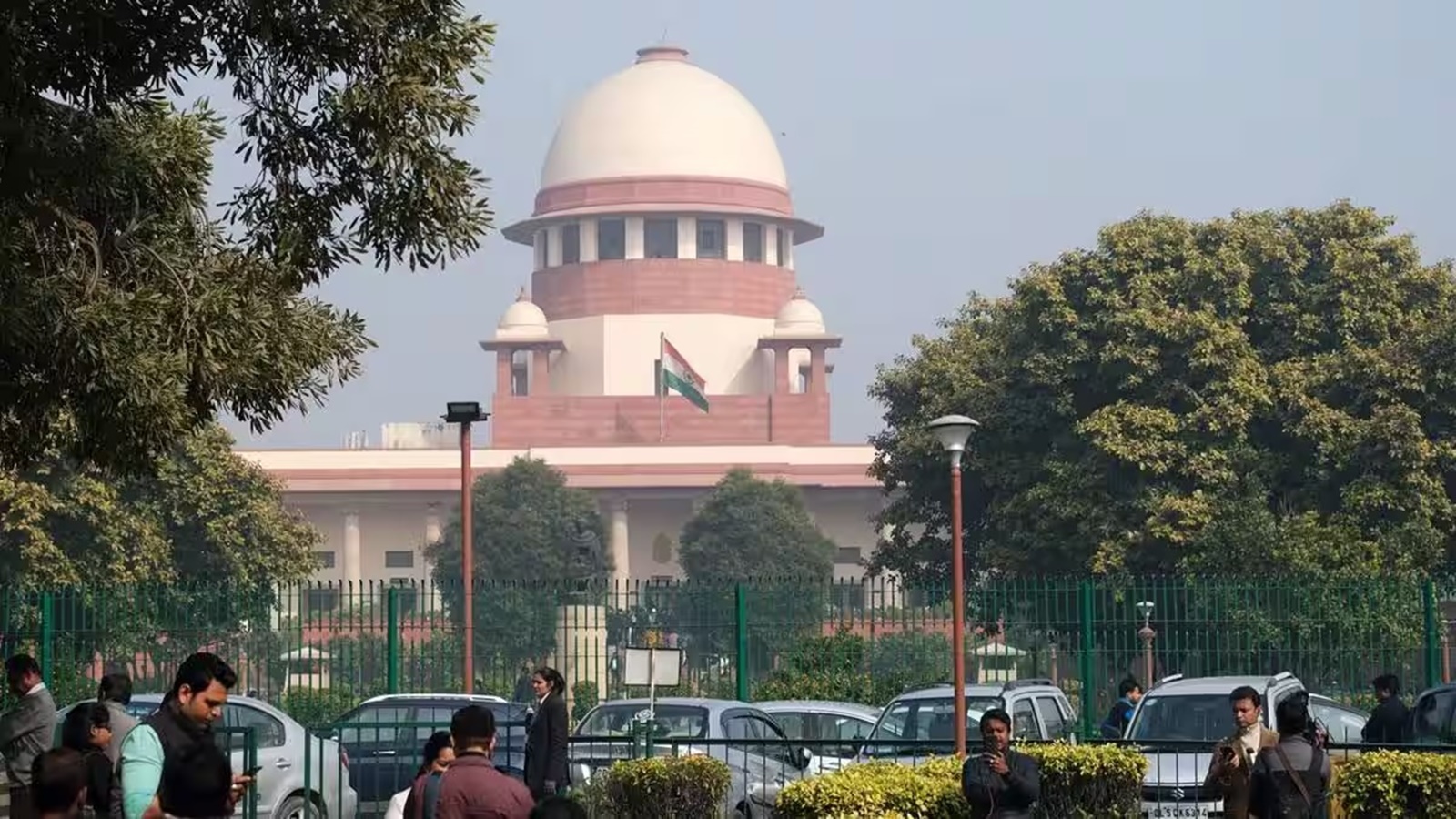
The Supreme Court Wednesday directed a petitioner alleging violation of its order banning the uploading of court video clips on social media to first approach online intermediaries to have the content taken down before seeking judicial intervention.
A three-judge bench, presided over by Chief Justice of India Surya Kant, heard a plea by a lawyer who said video clips of his appearance in a bail matter were posted online in violation of the Supreme Court’s July 24 order.
The July 24 order states, “There shall be no extraction, dissemination, monetisation, posting, re-posting, uploading, transmitting, modification, storing, or hosting of the audio-video recording(s) of the judicial proceedings on social media or any other digital platforms without prior permission of the Secretary General of the Supreme Court of India or the Registrar Generals of the jurisdictional High Courts.”
On July 31, the court clarified that while the directive does not alter the reporting of court proceedings by recognised news outlets, media organisations are prohibited from publishing audio or video clips.
During Wednesday’s hearing, the petitioner’s counsel pointed out that clips of the lawyer appearing in court were uploaded on August 20, roughly a month after the court’s prohibition.
Initially, the bench questioned the petitioner, asking why he was shy and trying to hide. “If you are so brave that you can abuse in open court, you can use all these chosen words of your choice; why do you want to hide?” CJI Kant asked.
The counsel replied, “My profession will be hampered… These are people who are creating nuisance. These are anti-social elements… I was just appearing in court in relation to my father’s bail. That video is uploaded.”
The CJI said, “You are not saying that they fabricated the video. You are not saying that they used AI or anything to harm your reputation or cause damage…We can understand if somebody commits contempt of our July order.”
“Suppose live streaming is going on, you are arguing and we are hearing, assuming this proceeding is not supposed to be commercially used (because of the order), but assuming that some channel, they put it…they might (have) committed contempt, but unless they are adding some word which you have never spoken, or they are adding some attribution to the bench you have never spoken, that will be a more offending situation…because then they are indulging in a criminal act.”
Justice Bagchi asked the petitioner first to explore the remedy available under the Information Technology Act, 2000. “Take necessary steps for getting takedown orders under the IT Act. If the takedown orders are not complied with, come to us. First exhaust your legal remedies before coming to us.”
The CJI said counsel could issue a notice saying that uploading it already amounts to contempt and an invasion of privacy, and ask them to take it down.
Agreeing, the counsel urged the court to keep the matter pending in the meantime.
Justice Bagchi, however, said, “This is a premature petition”.
The counsel pointed out that the Supreme Court order did not include any specific directions to intermediaries.
Justice Bagchi said, “We had intentionally not issued any direction to intermediaries because Section 69 of the IT Act takes care of such requirement. When we make a declaration of law, it becomes a prohibition on publication and circulation by an intermediary. Any action in breach of that is an act in personam (against a particular person), for which we are again requesting you to take necessary legal recourse. If the legal recourse fails, come to us.”