 The Indian Express ·
Politics
Why FBI chief Kash Patel was grilled over Epstein files, ‘bestiality’, prostitution rules in Senate
The hearing featured repeated clashes with senators, including an exchange in which Patel told Senator Peter Welch, “I pledge unequivocally that I will not participate in your charade of lies.”
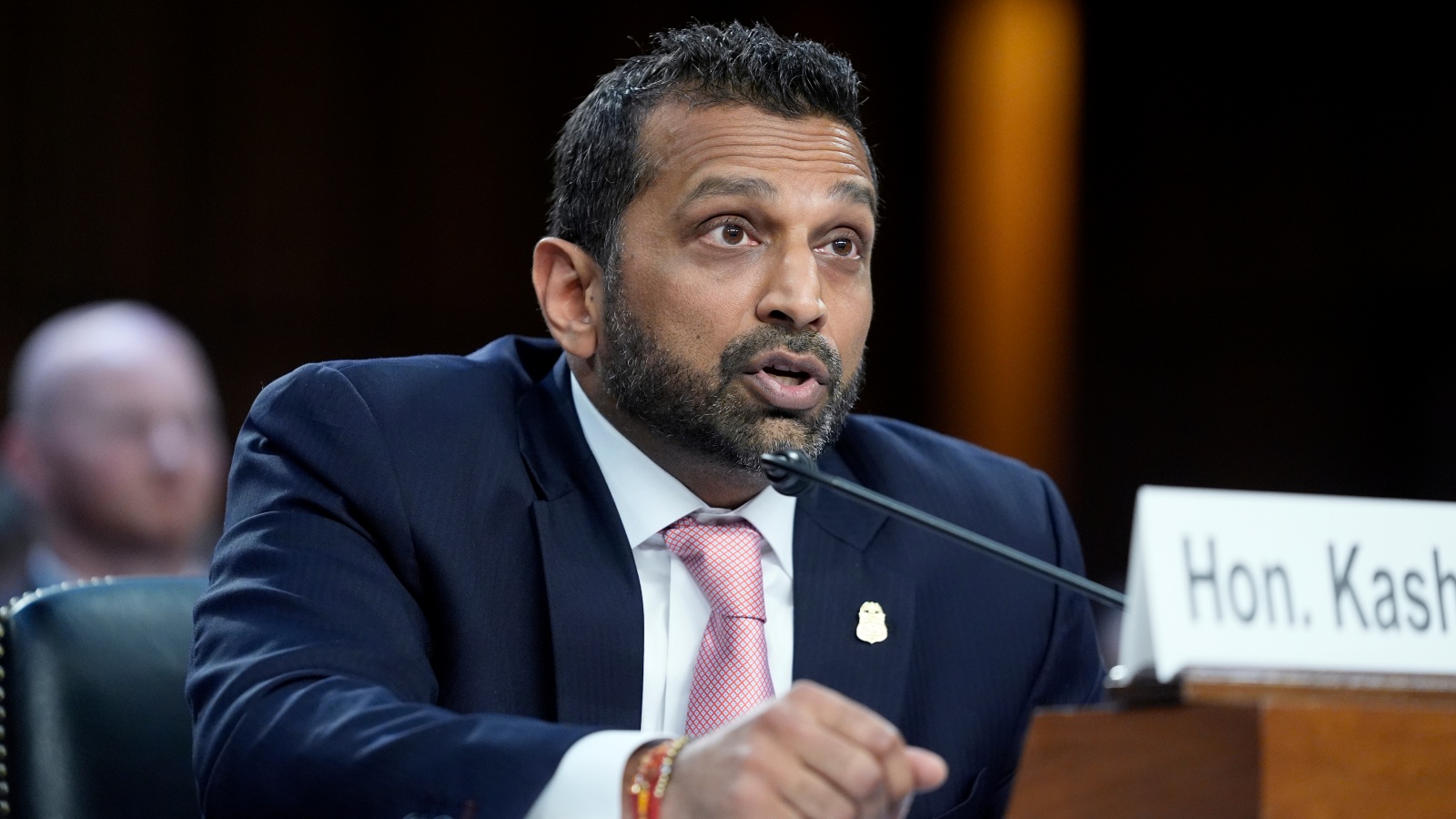
FBI Director Kash Patel faced more than four hours of contentious questioning from US senators on Tuesday, defending changes to the bureau’s hiring standards, its handling of Jeffrey Epstein-related records and the dismissal of FBI personnel involved in investigations concerning President Donald Trump.
Patel also faced questions about the FBI’s role in the November midterm elections and his use of bureau resources for travel, including a trip to the Winter Olympics in Italy. The hearing featured repeated clashes with Democratic senators, including an exchange in which Patel told Senator Peter Welch, “I pledge unequivocally that I will not participate in your charade of lies.”
Here are the key takeaways from Kash Patel’s appearance before the Senate panel:
Patel was pressed over recent changes to FBI hiring standards that removed prostitution, bestiality and certain cases of theft from an employer from the list of automatic disqualifications.
Republican Senator John Kennedy questioned the decision, particularly the provision concerning bestiality. Patel responded that he had initially questioned the recommendation himself but changed his view after being shown cases involving people who had been forced into such acts.
Patel said the change was intended to ensure that victims who had been forced into sexual acts, including through trafficking, were not automatically barred from FBI employment. He said the revised policy allows such cases to be considered individually rather than imposing an automatic ban.
“We did not want to punish victims of bestiality, victims who were trafficked,” Patel said.
Republican Senator John Kennedy questioned Patel about whether the previous rules had effectively disqualified “either side” in bestiality cases. Kennedy joked, “So you disqualified the animal?”
Patel responded, “We have great canines, but we’re not going to disqualify them.”
The revised rules have drawn criticism from lawmakers who argue that they weaken long-standing FBI hiring standards. Senate Judiciary Democrats had requested detailed explanations from Patel ahead of the hearing over changes involving sex solicitation, theft from an employer and bestiality.
A senator questioned Patel about suspicious activity reports involving financial accounts associated with Jeffrey Epstein, including transactions involving Russian, foreign banks. The reports had raised concerns about possible money laundering and trafficking, the senator stated.
Patel said suspicious activity reports are initially handled by the Treasury Department and can be referred to the FBI. Asked whether the bureau had received referrals concerning the specific reports cited during the hearing, Patel said he would have to check and get back on it.
He said the FBI would follow up on any credible information, but did not give a final answer on whether the particular Epstein-related reports had been investigated.
Lawmakers also questioned Patel about requests for Epstein-related information from law enforcement authorities in several European countries. Patel said, “Its a request to the Department of Justice, so they can comment on the status of it. If we assisted in any request for information like we do all the time with our European partners, we produce relevant information that we are lawfully allowed to give and turn it over to the department to hand over to our partners. I dont know the status of each individuals case.”
Patel separately defended the FBI’s handling of the release of Epstein records under the Epstein Files Transparency Act, saying the bureau had produced about 3.5 million pages of documents.
Who is weaponising the FBI?
The senator also confronted Patel over the dismissal of FBI personnel who had worked on investigations into US President Donald Trump.
Senator Richard Blumenthal questioned Patel on why national security agents with expertise in Iran were fired. The agents had also worked on the investigation into Trump’s handling of classified documents at Mar-a-Lago.
Patel rejected the suggestion, saying, “I think what’s most important is to not have a weaponised FBI.” And that he would work to ensure tgere was no one at the bureau who was doing so.
Patel also stated that many agents had retired rather than been fired.
With the November midterm elections approaching, Patel was asked about the FBI’s role on Election Day.
He said election security was primarily the responsibility of the Department of Homeland Security and that the FBI would coordinate election-related work through election crimes coordinators at its 56 field offices.
But according to the hearing, Patel did not rule out agents being sent to polling places if there were reports of problems or interference.
Welch asked him to pledge that the FBI would not interfere with the will of voters.
Patel responded saying, “I pledge unequivocally that I will not participate in your charade of lies.” And later calling Welch a “total fraud.”
Heated exchanges over Olympics partying in Italy and personal travel
The hearing also moved beyond FBI policy to questions about Patel’s personal conduct and travel.
Senators questioned his presence with US hockey players during the Winter Olympics in Italy, as well as other travel and alleged use of FBI resources. Patel defended the Olympic trip, saying the players were his friends and he was invited him into their locker room after their victory.
He was also questioned about a defamation lawsuit against The Atlantic over a report concerning his drinking. Patel denied the allegations and said he was entitled to defend himself as a private citizen.
(With inputs from Fox 10 Phoenix hearing clips)