 The Indian Express ·
Education
India joins Ukraine, West Bank in ‘severely restricted’ academic freedom list; ranks above China
The report also referred to the ruling Bharatiya Janata Party (BJP) and said the University Grants Commission (UGC) had been used as a “primary vehicle for state influence” over higher education.
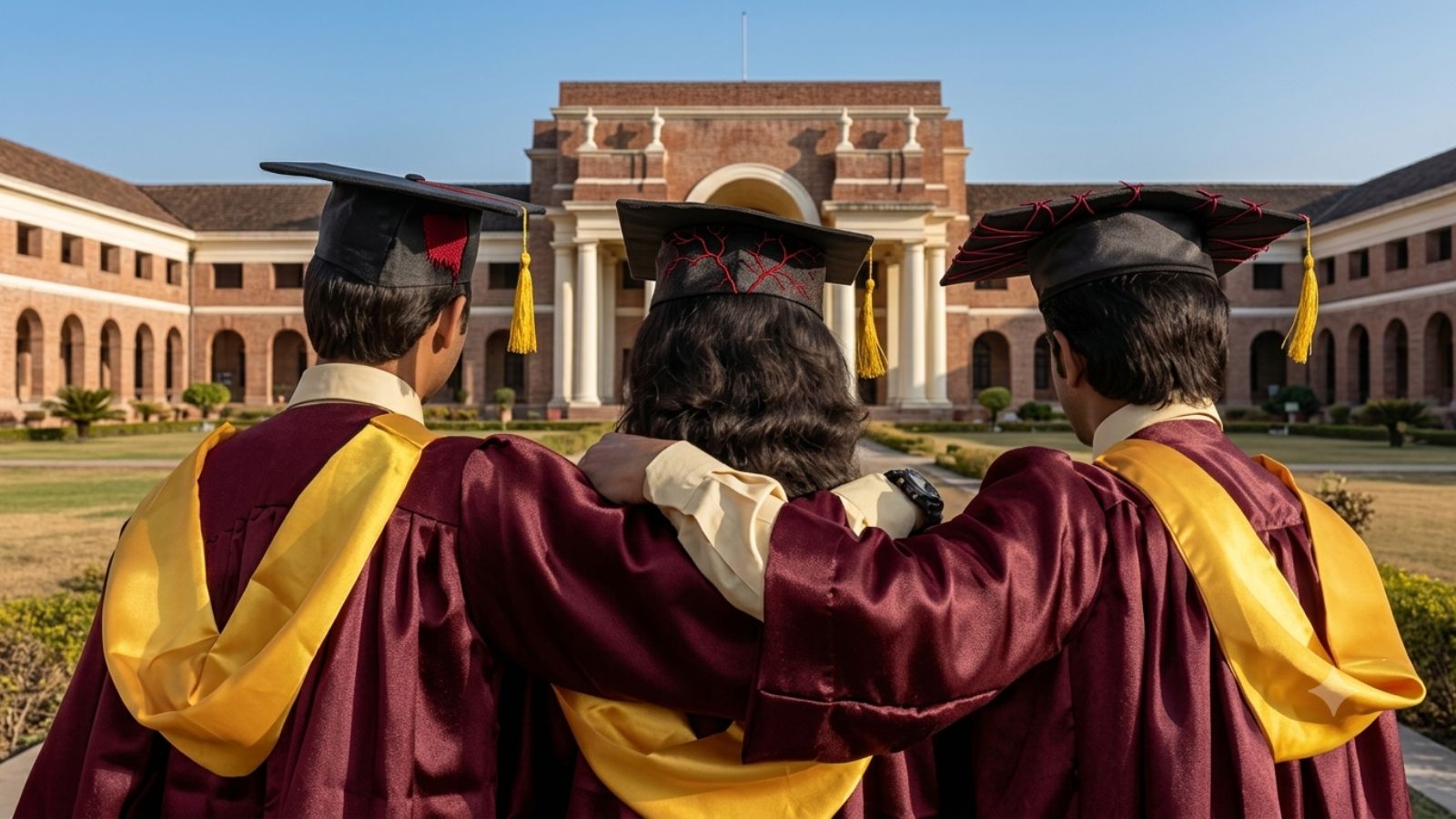
Academic freedom in India is “severely restricted”, with increased government involvement in higher education affecting university governance, appointments and campus expression, according to a report by Scholars at Risk, an international network that monitors attacks on higher education.
The report, titled ‘Free to Think 2026’, documented 382 attacks on higher education communities across 59 countries and territories between July 1, 2025, and June 30, 2026. It also examined what it described as government efforts in several countries to limit dissent and increase political control over higher education.
The 2026 Academic Freedom Index (AFI), cited in the report, found that academic freedom had declined significantly in 50 of 179 countries analysed over the past decade. Nine countries recorded improvements during the same period.
India was among six countries and territories placed in the report’s “severely restricted” category, along with Hong Kong, Indonesia, Pakistan, the West Bank and Ukraine. The lowest category, “completely restricted”, included Afghanistan, China, Iran, Russia, Turkiye, Syria, Venezuela, Zimbabwe and Gaza.