 Firstpost ·
Science and technology
EU proposes social media ban for under-13 children, tougher rules for teens
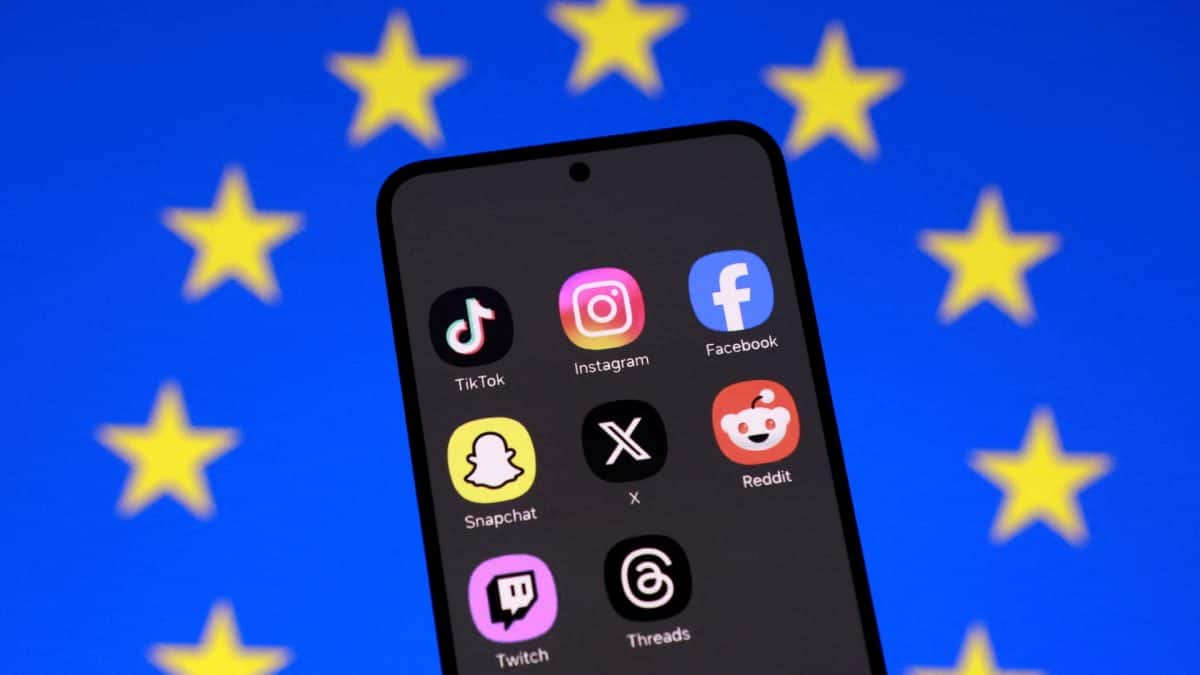
The European Union is considering tighter restrictions on children’s access to social media as governments face growing pressure to address online risks. The proposed measures would go beyond age limits, placing new responsibilities on platforms, video services, games and AI chatbots used by young people.
European Commission President Ursula von der Leyen has proposed the measures as part of a broader effort to strengthen protections for children online. The plans would also place new obligations on social media platforms, video-sharing services, online games and AI chatbots offering services to people under 18.
The proposals could affect major platforms including Google's YouTube and Meta's Facebook and Instagram, Reuters reported.
The initiative comes as governments increasingly examine the potential risks children face on digital platforms and question whether existing safeguards are adequate.
France has been among the countries calling for stronger restrictions. President Emmanuel Macron has backed an EU-wide minimum age of 15 for social media use, arguing that the issue requires a common approach across the bloc.
Earlier this month, Macron renewed that call after France's Constitutional Council rejected a national measure this summer, shortly before it was due to take effect in September.
In a letter to von der Leyen, Macron urged the European Commission to move towards EU-wide legislation while also regulating how online platforms operate and the features they offer.
He said protecting children online remained a priority and called for the bloc to act quickly rather than relying on separate national measures.
An EU-wide framework could help create consistent requirements across member states, where children currently face potentially different rules depending on their country of residence.
The proposed measures go beyond setting a minimum age for social media accounts.
Von der Leyen is also seeking obligations for video-sharing platforms, online gaming services and AI chatbots used by minors. The broader scope reflects the growing number of ways children interact with digital services, from watching videos and playing games to communicating with AI systems.
The EU's discussions come alongside measures introduced or considered in countries including Australia, France, the UK and Canada, all of which have examined ways to limit children's access to social media.
However, important details remain unresolved, including how age restrictions would be enforced and how platforms would reliably determine a user's age.
The proposals do not amount to an immediate EU-wide ban. Any new restrictions would need to pass through the bloc's legislative process before becoming binding.
Von der Leyen is expected to address the possibility of EU-wide social media restrictions in Brussels, while Macron has urged European institutions to treat the issue as a priority at the start of the new academic year.
The emerging approach combines age-based restrictions with wider responsibilities for technology companies whose services are used by children.