 Firstpost ·
Economy, business and finance
US House passes Russia sanctions bill, India faces 100% tariff threat
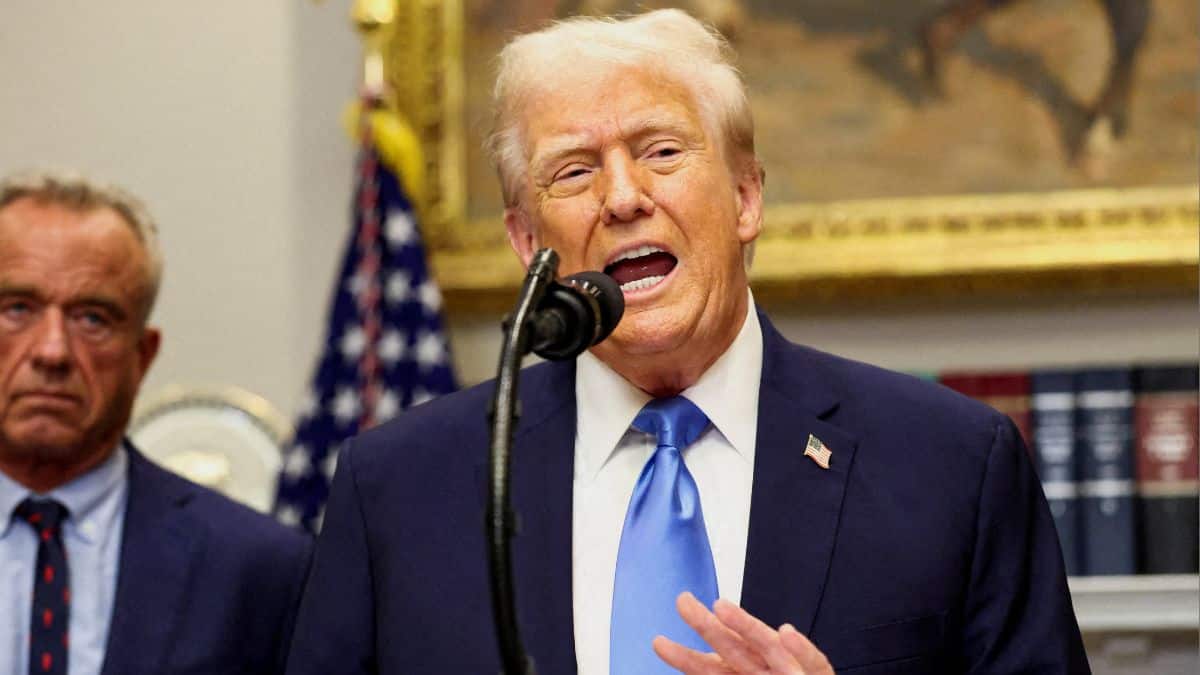
The legislation targets Russia’s energy sector and shadow fleet while giving President Donald Trump powers to impose tariffs of up to 100 per cent on major buyers of Russian oil and gas, including India and China
The US House of Representatives has passed a sweeping sanctions package targeting Russia’s energy sector, financial institutions and its so-called ‘shadow fleet’ of oil tankers, sending the legislation to President Donald Trump for his expected signature.
The bill, passed by a 262-159 vote, is named the ‘Lindsey O. Graham Sanctioning Russia and Iran Act of 2026’ in honour of the late South Carolina senator, who had pushed for tougher measures against Moscow.
A key focus of the legislation is Russia’s energy trade, a major source of revenue for Moscow. It seeks to tighten restrictions on Russian financial networks and target vessels involved in transporting Russian oil while attempting to evade Western sanctions.
The bill also gives the US president significant powers to impose secondary tariffs on countries that continue to buy Russian energy.
Under the legislation, Trump could impose tariffs of up to 100 per cent on the top five importers of Russian crude oil and natural gas.
India could be among the countries affected by the new tariff powers because it has remained a major buyer of Russian crude oil since the Ukraine war began.
Indian refiners significantly increased purchases of discounted Russian oil after Western sanctions disrupted Moscow’s traditional energy markets. Russian crude has consequently become an important part of India’s overall oil import basket.
The new US legislation gives Trump the authority to impose tariffs of up to 100 per cent on major buyers of Russian oil and gas. This means Indian exports to the US could potentially face higher duties if Washington decides to use the provision against countries continuing to purchase Russian energy.
China, another major buyer of Russian oil, could also face the tariff threat.
The legislation includes limited exemptions for countries that are taking steps to reduce their purchases of Russian energy. The actual impact on India will therefore depend on how the Trump administration chooses to implement the new powers.
The legislation also extends existing US sanctions on Iran for five years.
The Iran provisions were included as part of the broader package as lawmakers sought to build support for the legislation and secure backing from the Trump administration.
The tariff provisions could have implications well beyond Russia.
For energy-importing nations, the measure could create uncertainty around trade flows, energy costs and relations with Washington. The threat of higher tariffs also gives the Trump administration another tool to pressure countries that continue importing Russian energy.
The bill faced opposition from some Democrats, who supported stronger pressure on Russia but objected to the broad tariff powers given to the president.
Critics argued that allowing the executive branch wide discretion to impose secondary tariffs could create market uncertainty and strain relations with important US trading partners.
Despite those concerns, the legislation secured enough bipartisan support to pass the House.
Ukrainian President Volodymyr Zelenskyy had also urged US lawmakers to move forward with tougher measures against Moscow, arguing that increased economic pressure was needed to push Russia towards negotiations.
With the House vote complete, the bill now goes to Trump, who is expected to sign it into law.