 News18 (English) ·
Health
Over 1,000 Children Dead, 180,000 Infected: What Triggered Bangladesh's Catastrophic Measles Outbreak?
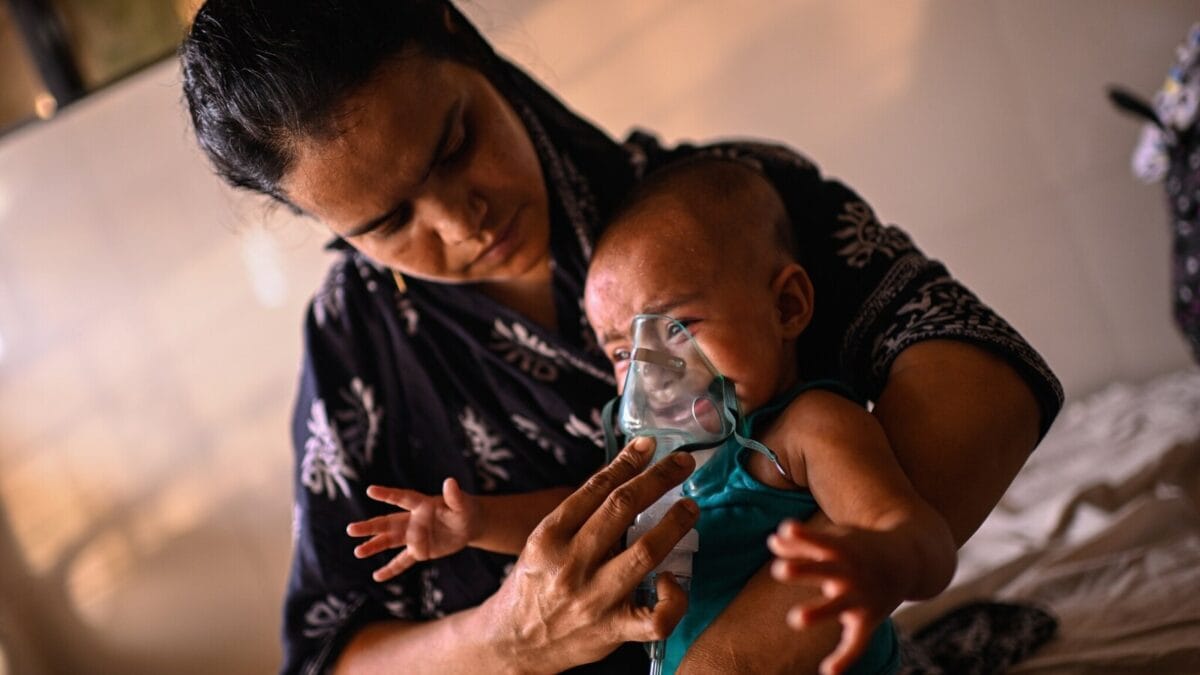
The epidemic, which began accelerating earlier this year, has hit toddlers and infants under five hardest
Bangladesh is grappling with its deadliest health emergency in decades, as a catastrophic measles outbreak has claimed the lives of over 1,000 children. Health authorities confirmed that total recorded infections among children have surpassed 180,000, leaving crowded hospital wards overstretched and paediatric intensive care units struggling to cope with the influx of critically ill infants.
The epidemic, which began accelerating earlier this year, has hit toddlers and infants under five hardest, accounting for more than four-fifths of all recorded cases. Epidemiologists attribute the rapid spread to severe gaps in routine immunisation. Successive disruptions to national vaccination drives, coupled with political instability and public health worker strikes, left millions of vulnerable children without vital doses.
- Dwindling Coverage: National vaccination coverage dropped sharply to 86 per cent, down from 93 per cent in prior years, leaving an estimated four million children entirely unimmunised.
- Complicating Factors: Chronic paediatric malnutrition and high rates of respiratory secondary infections, such as pneumonia, have significantly heightened fatality rates among affected infants.
- Overcrowded Healthcare Facilities: Major paediatric centers in urban hotspots like Dhaka are handling severe bed shortages, compounded by a concurrent surge in seasonal vector-borne diseases like dengue fever.
Emergency Immunisation Campaign Underway
In response to the escalating mortality rates, the Bangladeshi government, alongside international health agencies, launched a massive emergency vaccination drive. Healthcare teams have already administered doses to more than 18 million children in high-risk zones and city corporations.
However, health experts warn that emergency measures alone cannot immediately stop transmission. Authorities have expanded target goals to reach over 22 million children, deploying mobile medical teams to conduct house-to-house searches for missed inoculations.
The crisis highlights the fragile nature of herd immunity when primary healthcare delivery encounters operational friction. Public health experts stress that, alongside mass vaccination, urgent interventions are needed to boost nutritional support and establish dedicated isolation wards across rural and urban clinics to prevent further loss of young lives.
The catastrophic outbreak was triggered by severe gaps in routine immunisation caused by successive disruptions to national vaccination drives, political instability, and public health worker strikes. These disruptions, along with procurement policy changes under the interim government, led to vaccine shortages and supply problems. Consequently, Bangladesh's national vaccination coverage dropped sharply from 93 percent to 86 percent, leaving an estimated four million children entirely unimmunised.