 India Today ·
Economy, business and finance
Fiji declares national HIV emergency as 1 in 60 adults estimated to have the virus
Fiji has declared a national HIV emergency after a sharp rise in infections linked partly to injecting drug use and unprotected sex. Officials and community groups say low testing, weak treatment access and stigma are worsening the crisis.
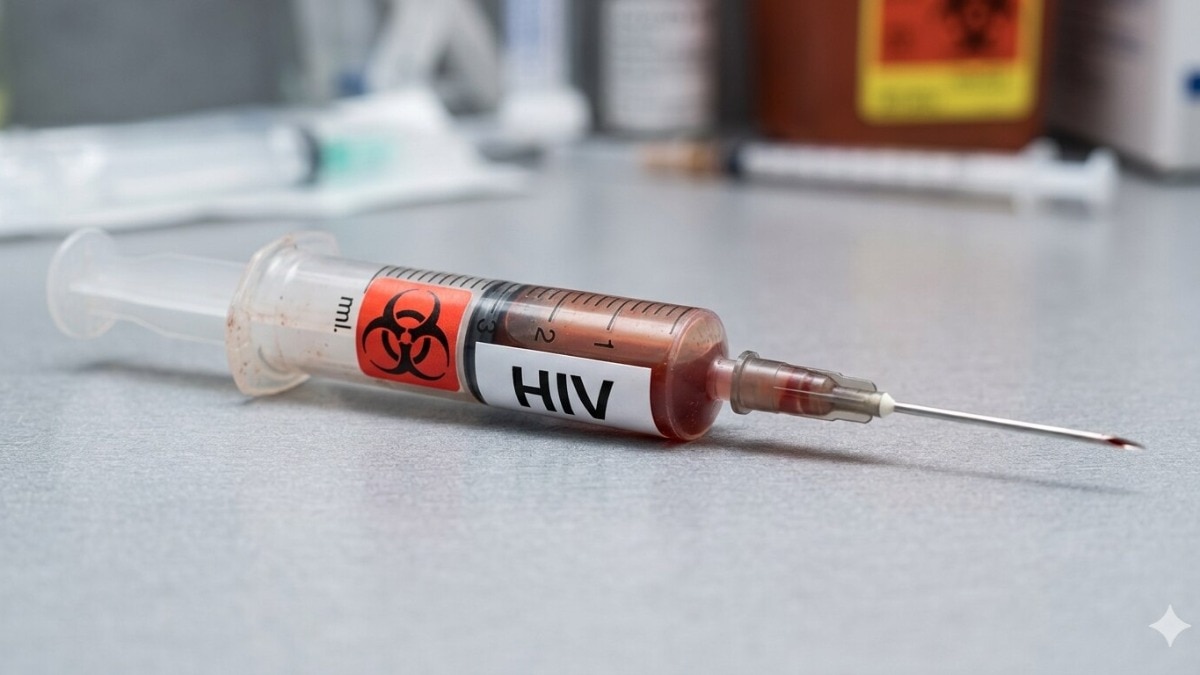
Fiji has declared a national HIV emergency after recording 2,060 new diagnoses in 2025, with nearly one in 60 adults estimated to be living with the virus. The surge has been linked partly to intravenous drug use and unprotected sex, while only 22% of people living with HIV are receiving treatment.
Fiji has declared a national HIV emergency as the Pacific island nation grapples with a sharp rise in infections, driven in part by a growing methamphetamine and intravenous drug-use crisis.
According to a CNN report, nearly one in 60 adults in Fiji, a country of fewer than a million people, is now estimated to be living with Human Immunodeficiency Virus (HIV), reversing a global trend of declining infection rates.
The country first declared an HIV outbreak in January 2025 and subsequently stepped up testing, revealing the scale of what authorities now describe as a rapidly escalating public health crisis.
Announcing the emergency on Tuesday, Health Minister Dr Atonio Lalabalavu said Fiji recorded 2,060 new HIV diagnoses in 2025, calling the figure a sign of the “seriousness of the epidemic” and the need for an urgent, coordinated response.
The outbreak has also affected newborns. Save the Children Fiji said this week that a two-month-old baby had become the youngest identified patient living with both HIV and tuberculosis (TB). The organisation said 59 babies acquired HIV from their mothers last year.
Five years ago, an estimated one in 167 Fijians was living with HIV. The sharp increase in recent years has coincided with a rise in intravenous drug use, as Fiji has emerged as a key transit point for narcotics trafficked from the Americas to lucrative markets in Australia, New Zealand and parts of Asia.
The reports said drug use was not the only factor behind the surge, with sexual transmission, low condom use, multiple sexual partners, limited testing and stigma also contributing to the outbreak.
Fiji adviser for the Joint United Nations Programme on HIV/AIDS (UNAIDS), Renata Ram, said the available figures may not fully reflect the scale of the crisis.
“What concerns me most is the speed of the epidemic and the number of people who may be living with HIV without knowing it,” Ram told CNN.
Only about 39% of people living with HIV in Fiji know their status, while just 22% are receiving treatment, according to Ram.
Untreated HIV can progress to Acquired Immunodeficiency Syndrome (AIDS), severely weakening the immune system and increasing the risk of life-threatening infections and cancers.
Fiji recorded 117 HIV-related deaths in 2025, up from 25 in 2021, according to national health statistics.
Injecting drug use has emerged as a major and rapidly accelerating route of HIV transmission, Ram said, with needle sharing contributing to the spread.
National health data showed that people who inject drugs accounted for roughly half of new HIV cases in 2025 where the mode of transmission was identified. The remaining cases were linked to sexual transmission.
Low condom use, multiple sexual partners, limited access to testing and stigma are among the factors contributing to the spread, Ram said.
HIV can be transmitted through infected bodily fluids entering another person's bloodstream. It can also be passed from an infected mother to her child during pregnancy, childbirth or breastfeeding.
Lalabalavu said one in 50 pregnant women in Fiji is infected with HIV, highlighting concerns about mother-to-child transmission.
Fiji's rising HIV infections stand in stark contrast to the global decline in new cases. UNAIDS estimates that new HIV infections worldwide fell by about 42% between 2010 and 2025.
Globally, around 78% of people living with HIV are accessing treatment, compared with just 22% in Fiji. “Fiji has experienced an extraordinary increase over essentially the same period,” Ram said.
The country's low treatment rate has further complicated efforts to contain the outbreak, with experts warning that many people may remain unaware of their status.
STIGMA KEEPS PEOPLE FROM SEEKING TREATMENT
For Joeli Colati, executive director of Fiji Network Plus, a community organisation supporting people living with HIV, the crisis extends beyond healthcare.
HIV is “not only a health issue,” Colati said, pointing to stigma, poverty, transport difficulties, concerns about confidentiality and fear as additional barriers to treatment.
Colati, who has been living with HIV for 19 years, said some people avoid treatment because they fear being recognised at HIV clinics.
Fiji is a deeply religious society where premarital and casual sex are generally considered taboo. Colati said this has also contributed to gaps in public understanding about HIV transmission and the effectiveness of treatment.
As part of its response, Fiji plans to rapidly expand HIV testing and treatment, improve access to pre-exposure prophylaxis (PrEP), a medication used to prevent HIV, and introduce a formal needle and syringe programme.
Lalabalavu urged people who may have been exposed to HIV, including through shared needles or unprotected sex, to get tested rather than wait for symptoms.
He also appealed to the public not to shame, exclude or threaten people living with HIV, warning that stigma can prevent them from seeking medical care.
Colati said his own experience showed the importance of treatment and support.
“Please don’t let fear make decisions for you,” he said. “Knowing your HIV status gives you the power to do something about it.”