 The Indian Express ·
Need to switch your bank for FASTag? How new ‘OneTag’ offers smoother route
The new OneTag system works similarly to how one can switch their telecom provider without changing their SIM card or number.
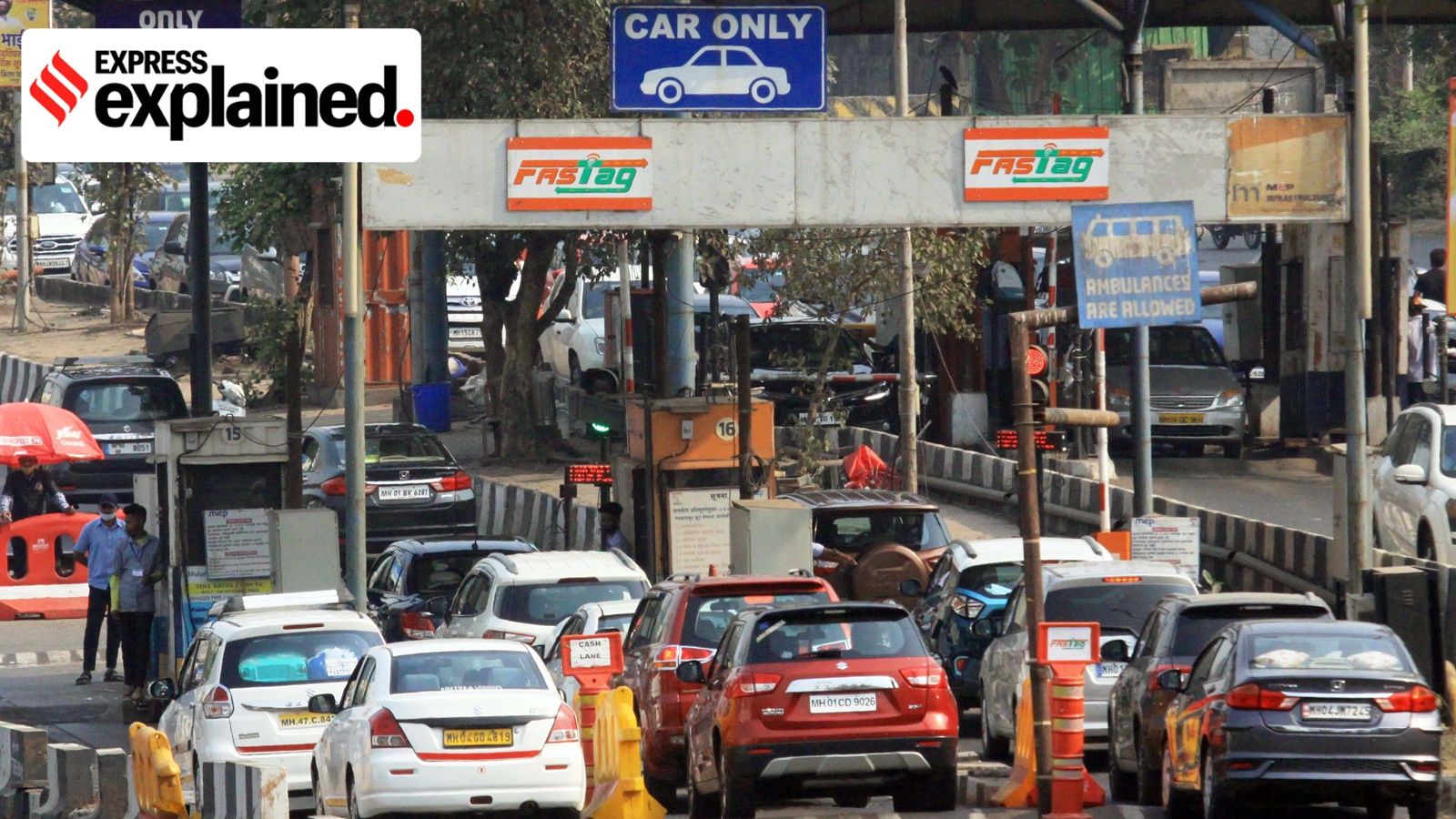
The National Highways Authority of India (NHAI) has made ‘OneTag’, a FASTag portability service, operational on the Rajmargyatra app. The new service allows highway users to change their issuer bank without replacing the FASTag sticker on their vehicle.
Users earlier had to purchase a new FASTag to change their issuer bank and remove the existing tag from their vehicle. The new system will work along the lines of mobile number portability, where users need not change their SIM card to switch to another telecom service provider.
Highway users who want to change the bank linked to their FASTag have to first log in to the Rajmargyatra app and check their eligibility by entering their registration number. The user will then receive a six-digit mobile verification code from the current issuer bank.
After this, the user must select a new issuer, complete customer verification and wallet onboarding with the new issuer to complete the portability process. Upon successful portability, the FASTag ID linked to the vehicle registration number will remain unchanged. The user can continue with the existing tag and use the new bank account to pay at toll plazas.
Can it be ported again?
Yes, but not immediately. According to NHAI, a user can port to a new bank only after six months. “After portability is completed, previous issuer will close the existing FASTag wallet and refund the available balance, post applicable adjustments. Also, interoperable FASTag has a cooling period of 6 months before it can be ported again,” said the NHAI in a statement.
The authority further said that the ‘OneTag’ initiative will help to improve FASTag lifecycle management by reducing the need for repeated tag production, thereby lowering operational costs, dispatching, and reissuance expenses.
“‘OneTag’ will also help to streamline the issuer-switching journey, enhance customer choice and contribute to a more interoperable and efficient FASTag ecosystem,” the NHAI said.
How do the FASTag stickers work?
FASTags became mandatory on National Highways from 2019 onwards. The device employs Radio Frequency Identification (RFID) technology for payments directly from the prepaid or savings account linked to it. It is affixed on the windscreen, so the vehicle can drive through plazas without stopping for a smoother journey. RFID technology is similar to that used in transport access-control systems, like a Metro smart card.
RFID is a wireless tracking system that consists of tags and readers. Radio waves are used to communicate the information/identity of objects or people to nearby readers — devices that can be hand-held or built into fixed positions like poles or buildings.
The tags use an integrated circuit and an antenna to communicate with a reader using radio waves at several different frequencies – low frequency (LF), high frequency (HF), and ultra-high frequency (UHF). The message sent back by the tag in the form of radio waves is translated into data and analysed by the host computer system.
Unlike Barcodes, RFIDs do not require a direct line of sight to identify objects. The tags can also carry encrypted information, serial numbers and short descriptions. High-memory tags are designed for use in industries like aviation.