 The Indian Express ·
Lifestyle and human interest
75-year-old spends over Rs 4 crore on beauty treatments, sells jewellery and home
Among the expenses was a lip tattooing package costing 39,800 yuan, or around Rs 5.6 lakh.
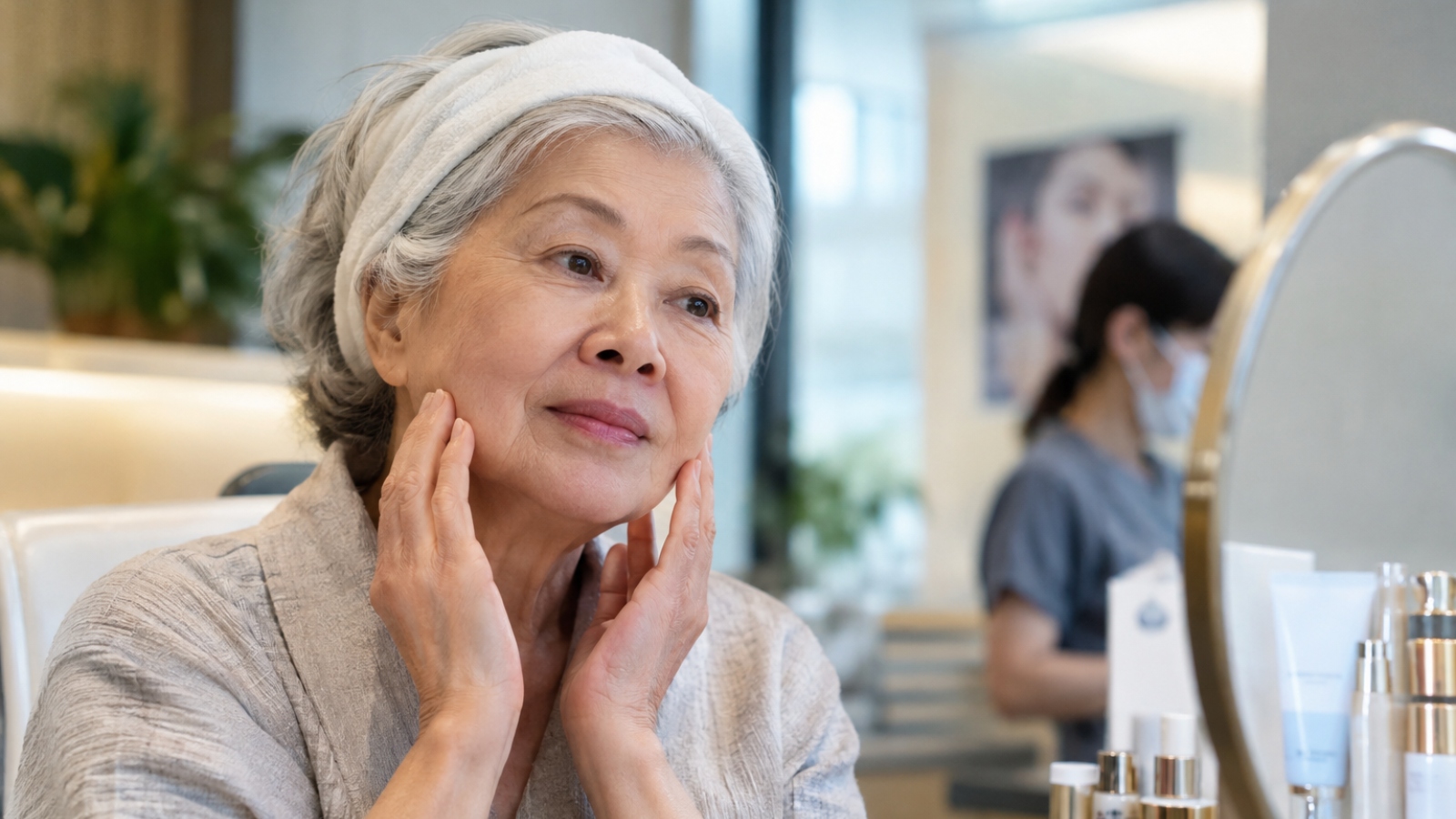
A 75-year-old woman in China reportedly spent more than Rs 4 crore from her retirement savings on beauty and wellness treatments over several years.
The woman, identified by her surname Yu, had been a regular customer at a branch of Yongqi Beauty and Hairdressing Company and a medical beauty clinic associated with the business since 2016, the South China Morning Post reported.
Billing records showed that Yu had paid for a wide range of services, including skin tightening, thread lifts, meridian massages, and eyebrow and lip tattooing. Her daughter also found that some of the treatments had allegedly been billed at significantly higher prices than their usual market rates.
Among the expenses was a lip tattooing package costing 39,800 yuan, or around Rs 5.6 lakh. The records also indicated that Yu had undergone certain treatments multiple times, including procedures that would not ordinarily be required so frequently.
Yu said she had never closely tracked her spending because she believed she was financially secure.
Much of her money had come from selling her home. By the time her daughter discovered the extent of the expenses, Yu was reportedly unable to afford a rented home and had also sold her jewellery.
Yu’s daughter approached a Shanghai television programme seeking help after learning that her mother had almost depleted her savings.
The spending increased further after employees at the Yongqi salon referred Yu to a medical beauty clinic called Rouyi. She was reportedly charged 300,000 yuan, around Rs 42 lakh, for a procedure described as ‘intimate care’. Although she paid the fee, the clinic never carried out the procedure. Instead, the clinic provided her with other skincare treatments.
Some invoices also contained unusual service names, including “happiness chair” and “space capsule”. Yu reportedly could not explain what either service involved.
The South China Morning Post said it contacted Rouyi for a response, but the telephone numbers printed on the invoices were no longer working. Yu’s daughter also found that the clinic had charged her mother using Yongqi’s account.
A Yongqi employee reportedly said Yu had repeatedly asked for the treatments herself because she was concerned about her appearance. The employee also argued that the prices were displayed and that Yu agreed to them by paying for the services.
Yongqi later agreed to a compromise and issued a partial refund of Yu’s advance payment.
The case has since sparked an online debate, with many questioning how an elderly customer could spend such a large portion of her lifetime savings on beauty services. It has also drawn attention to concerns about aggressive sales tactics and the risks older consumers face in the beauty and wellness sector.