 ThePrint ·
Arts, culture, entertainment and media
Don’t blame Ed Sheeran for Macklemore’s ouster. Look at who controls the stage
Why punish a performer for decisions not in his control, while the organisers who actually enforced the censorship face no consequences?
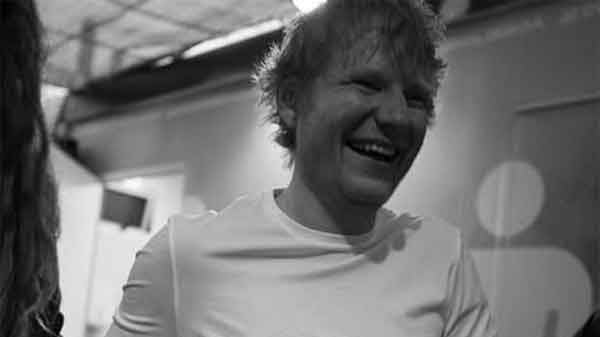
Ed Sheeran’s ongoing controversy is a deja vu moment. Macklemore was pulled from Sheeran’s tour after speaking up for Palestinians, and the internet is furious about it. Well, me too. But the onus shouldn’t be entirely on Sheeran. Let’s not forget, artists too are just pawns in this ecosystem.
I am not defending Sheeran’s stance. Public silence, especially when a fellow artist is being removed from a tour for speaking about a humanitarian crisis, can be questioned. Artists have platforms, and some choose to use them for causes that matter to them and others do not.
But in the attempt to hunt down artists, we tend to miss the real culprit.
Look at what’s actually happened in the Macklemore situation. He said “Free Palestine” on the stage he was invited to perform as an opener, for two nights. Within days, he wasn’t on the tour anymore. That decision wasn’t made by Ed Sheeran. It was made, as Alexandria Ocasio-Cortez pointed out, by the people who own the stadiums and decide who gets to speak on a microphone and who doesn’t. We have become so accustomed to attaching a face to every controversy that we often forget to examine the machinery behind it.
A concert is not just about a singer. It is a complicated commercial arrangement involving promoters, venues, sponsors, management companies, ticketing platforms, security teams, and, sometimes, powerful stakeholders whose interests extend far beyond music. These people rarely make headlines because they don’t perform. They operate in boardrooms, not on stages, and that invisibility is exactly what lets them shape the conversation without ever entering it.