 Firstpost ·
Why Pakistan is slaughtering 800 donkeys a day for China
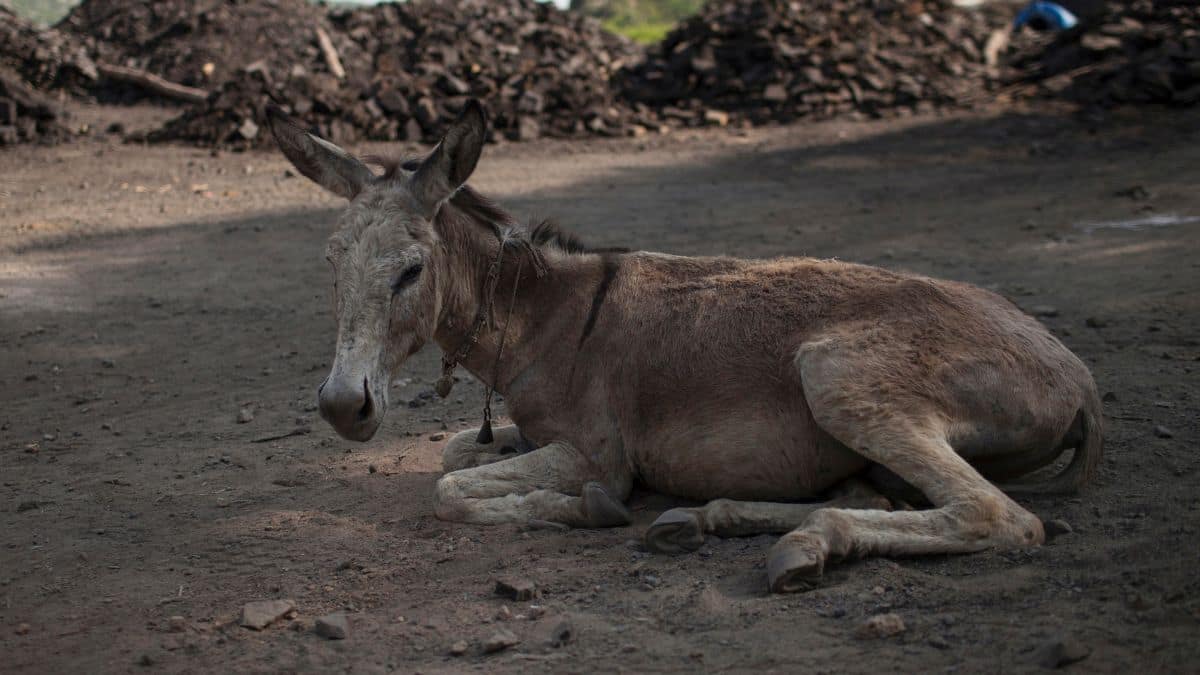
Pakistan is turning its growing donkey population into an unlikely export business, with a facility near Gwadar now killing hundreds of animals. The demand is being driven less by the meat and more by donkey hides, a key ingredient in the traditional Chinese medicine product, ejiao
Hundreds of donkeys are being slaughtered every day at a processing facility in Pakistan's Balochistan province, with their meat and hides destined primarily for the Chinese market.
The unusual trade has emerged as China struggles with declining numbers of its own donkeys and growing demand for ejiao, a traditional product made using collagen extracted from donkey skin.
According to Moneycontrol, Hangeng Group operates a slaughterhouse and processing facility near Gwadar and plans to increase its capacity to as many as 800 donkeys a day within months. The company has invested about $50 million in Pakistan and employs around 500 local workers, alongside nine Chinese managers.
The development comes as Chinese buyers look beyond their traditional sources for donkey hides.
Why does China need donkey hides?
The main attraction is not simply donkey meat. It is the animal's skin. Ejiao is produced by boiling donkey skin to extract collagen. The product has long been used in traditional Chinese medicine and is also used in some cosmetics.
The Straits Times, in a September 15 report, said ejiao is commonly used in China as a blood tonic and is also associated with claims of helping immunity and sleep. It is also used in cosmetics and is marketed for potential anti-ageing benefits.
China's demand for the product has created a major requirement for donkey hides. But the supply of animals has been falling.
The Straits Times cited a 2023 US Congressional Research Service report estimating that between 2.3 million and 4.8 million donkeys are slaughtered each year for their hides for ejiao. The report estimated that China's ejiao market was worth about $7.8 billion in 2021.
China's own donkey population has also declined sharply, pushing buyers towards overseas sources.
Why Pakistan?
Pakistan has one of the world's largest donkey populations, and its numbers have continued to rise.
The country's 2025-26 Economic Survey puts its donkey population at more than six million. That makes Pakistan an increasingly attractive source as Chinese buyers search for supplies elsewhere.
In a 2023 report, India Today reported that Pakistan's donkey population had risen from 5.5 million in 2019-20 to 5.6 million in 2020-21 and 5.7 million in 2021-22. The figure reached 5.8 million in 2022-23, according to the Pakistan Economic Survey cited by the report.
India Today also reported that Pakistan had the world's third-largest donkey population, behind China, and that Beijing had previously expressed interest in importing donkeys from Pakistan.
During a 2022 briefing involving Pakistan's Ministry of Commerce and the Senate Standing Committee, member Dinesh Kumar said China had shown interest in importing both donkeys and dogs from Pakistan, according to Geo News.
Pakistan had also established a government-owned farm covering more than 3,000 acres in Okara district, Punjab, with the aim of raising donkeys for export. The farm was intended to rear donkeys of different breeds, including American breeds, for markets in China and elsewhere.
Pakistan is entering the market at a time when another major source has become more difficult to access.
China had previously sourced large numbers of donkeys from African countries. But in 2024, the African Union endorsed a continent-wide moratorium on slaughtering donkeys for their skins and on related exports.
The Straits Times reported that animal welfare organisation Brooke estimated in June 2025 that Africa's donkey population could fall by half, to around 14 million, by 2040 if the continent-wide ban on the donkey skin trade is not enforced.
With African supplies under pressure, Chinese buyers have been looking towards countries including Pakistan, Brazil and Australia.
Pakistan itself had previously restricted exports of donkey hides after authorities discovered cases in which donkey meat was allegedly being sold as beef and mutton in some cities.
According to The Straits Times, that restriction was lifted about a decade later following a Commerce Ministry notification.
Donkeys have traditionally been used in Pakistan for transport and agricultural work. Their growing value in the Chinese market is now creating a new commercial industry around them.
Moneycontrol reported that Pakistan has signed sanitary protocols covering the trade and that the government views Chinese demand as an opportunity for exports, investment and employment.
The trade has also been structured to keep the processed products outside Pakistan's domestic food chain. Earlier government documents said processing units would be restricted to the Gwadar Free Zone, while breeding farms would be encouraged to avoid reducing the country's existing working-donkey population.
Moneycontrol said the first shipment of donkey meat produced in the Gwadar Free Zone entered China through Tianjin in July, while earlier consignments of frozen meat and hides were valued at around $195,000.
Hangeng chief executive Andy Liao told Bloomberg that the operation could generate around $5 million a month in foreign-exchange earnings within six months and potentially reach $7 million a month within two years.
The company plans to expand its network of farms and eventually move into donkey breeding. It also plans to establish a laboratory, according to The Straits Times.
The company currently sources animals from 11 suppliers, with each donkey tagged for traceability, and hopes eventually to expand to 50 farms.