 Firstpost ·
Science and technology
AI data centre boom could push US natural gas demand to new highs by 2035
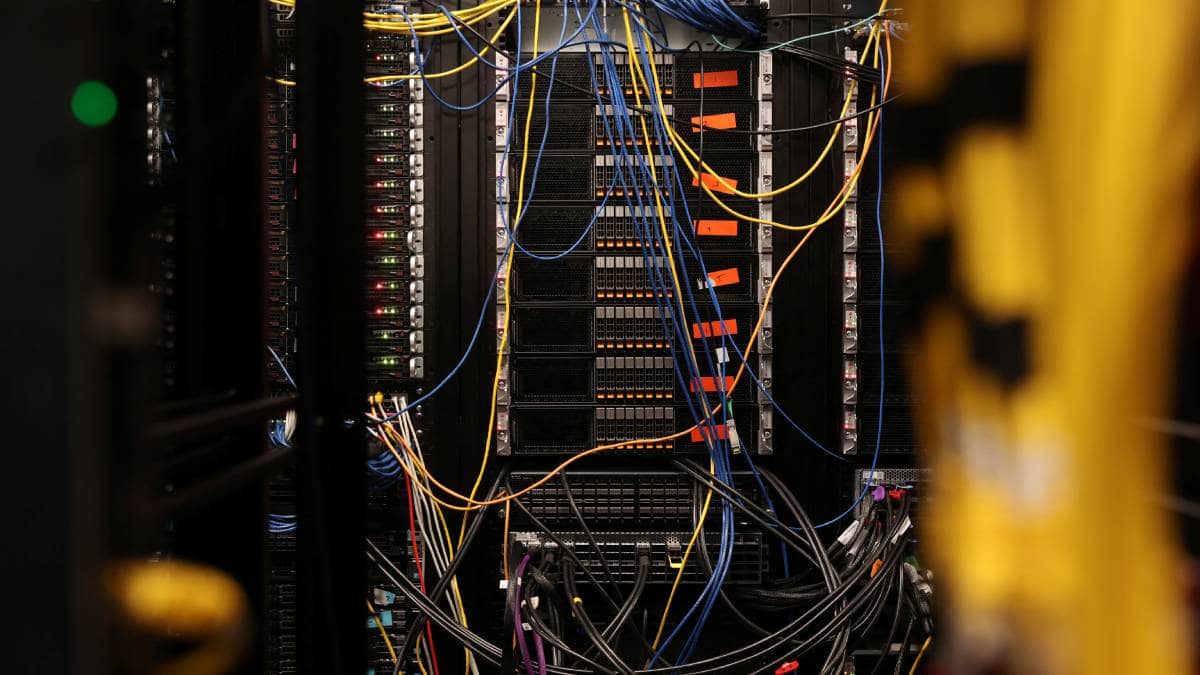
America’s rapid expansion of AI infrastructure is creating a new energy challenge. Data centres could become one of the biggest sources of natural gas demand growth over the next decade, putting pressure on prices, utilities and emissions as companies race to build computing capacity.
The US AI boom is beginning to reshape the country’s energy outlook, with data centres expected to become one of the largest sources of additional natural gas demand over the next decade.
By 2035, US data centres could consume around 18 billion cubic feet of natural gas a day, according to a new BloombergNEF forecast. That would put their consumption above the combined demand of Germany and Japan and represents almost twice the level the research firm was expecting just nine months ago.
The estimate is notably more cautious than simply adding up every proposed data centre project. BloombergNEF has factored in the likelihood that some of the developments currently on company plans will never be completed.
The surge is being driven by the enormous amount of electricity required to run AI systems and the infrastructure supporting them. While some technology companies are looking to generate electricity directly at their facilities, most of the additional demand is expected to come indirectly through the power grid.
Data centres emerge as a major gas demand driver
Natural gas demand is forecast to receive a bigger boost from data centres than from almost every other sector over the coming decade. BloombergNEF expects only LNG exports to contribute more to overall US natural gas demand growth during that period.
Onsite generation is already becoming part of that picture. Meta, Microsoft, Google and Amazon have announced projects that would use natural gas plants located alongside, or close to, data centre facilities rather than relying entirely on electricity supplied through the grid.
Those projects alone could require between 2.9 billion and 3.4 billion cubic feet of natural gas every day by 2035. That is roughly equivalent to the amount of gas used by all US data centres today, including gas burned to produce electricity supplied through the wider grid.
Yet direct generation could account for only a relatively small share of the coming increase.
BloombergNEF estimates that grid-connected data centres could add another 15 billion cubic feet per day to natural gas consumption in the power sector by the middle of the next decade. The projected increase is around five times greater than the combined growth expected from other grid-connected sectors.
That creates a potential challenge for an industry that has built much of its expansion around relatively predictable energy costs.
Higher energy demand could also raise climate concerns
Natural gas prices have remained relatively stable in recent years, helping data centre developers model the cost of expanding their electricity-intensive operations. Analysts at Noreva, however, have questioned whether those conditions will continue as demand from AI infrastructure grows alongside US LNG exports.
A sustained increase in gas prices could affect more than technology companies. Higher wholesale energy costs can eventually feed through to electricity bills, potentially leaving households and other electricity users to absorb part of the increase.
There is also a significant environmental consequence if the projected consumption materialises.
The International Energy Agency estimates that each cubic foot of natural gas burned produces the equivalent of about 60 grams of carbon dioxide when emissions associated with extraction, processing and distribution are included. Based on that figure, the additional gas demand linked to data centres could correspond to roughly 1 million metric tons of greenhouse gas emissions each day.
That would represent about 12 per cent of current US greenhouse gas emissions, according to the figures provided.
The numbers underline a growing tension within the AI buildout: expanding computing capacity requires substantially more energy, while the sources used to meet that demand can carry their own economic and environmental costs. For US energy markets, the scale and speed of data centre construction could therefore become as important as the technology being developed inside them.