 Firstpost ·
Economy, business and finance
Tata Trusts call Chandrasekaran reappointment ‘illegal’, seek selection process for successor
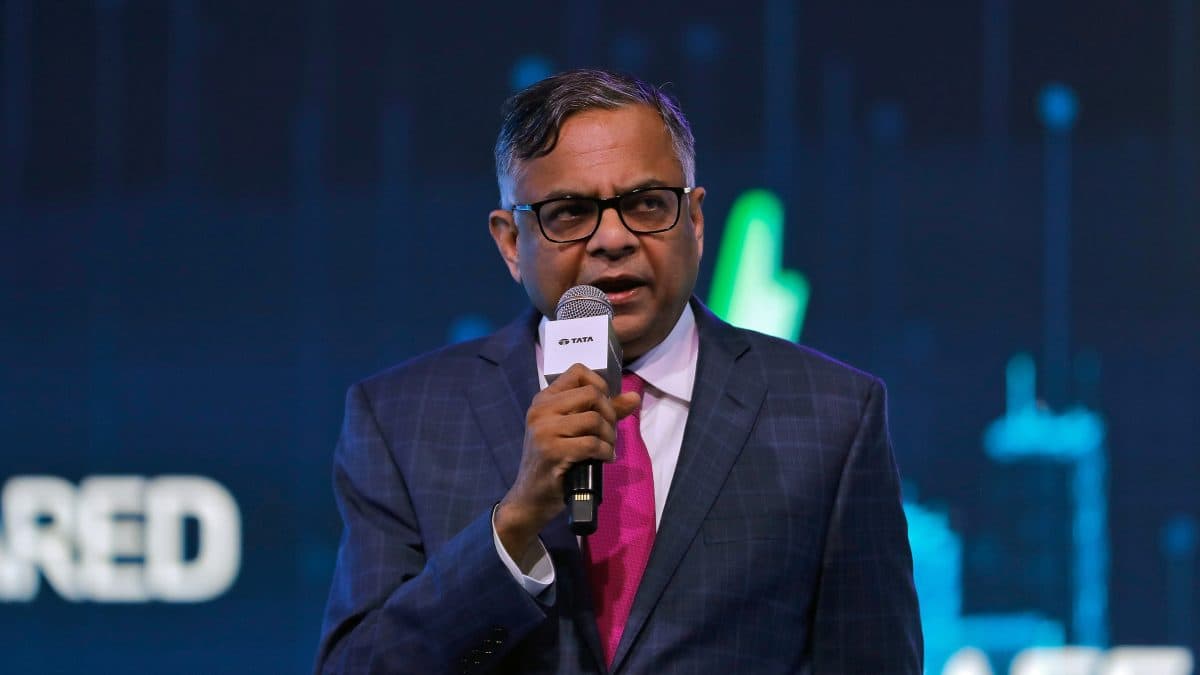
Tata Sons board voted 4-1 to reappoint N Chandrasekaran; Tata Trusts, which collectively own about 66 per cent of Tata Sons, have challenged the validity of the resolution.
The leadership tussle at Tata Sons has intensified after Tata Trusts on Thursday reiterated that the company’s decision to reappoint N Chandrasekaran as chairman was “a legal nullity”, setting the stage for a potential showdown at the upcoming annual general meeting (AGM).
The statement came hours after the Tata Sons board voted 4-1 in favour of reappointing Chandrasekaran, with Tata Trusts chairman Noel Tata voting against the resolution.
In a separate interview with Moneycontrol, Noel Tata called the reappointment decision “illegal” and indicated that the matter could be taken up at the company’s upcoming AGM.
The Tata Trusts, in their formal statement, maintained that Chandrasekaran’s earlier decision not to seek another term had already become final.
The Trusts said Chandrasekaran had communicated to the Tata Sons board on August 12, 2026, that he did not wish to offer himself for reappointment after his current tenure ends on February 20, 2027.
The decision, the Trusts said, was “freely taken, clearly expressed and not the outcome of any process of review”.
“Once such a decision has been publicly communicated, it has consequences which cannot be afterwards undone,” the Trusts said, arguing that employees, lenders, counterparties, the market and the majority shareholder had subsequently proceeded on the basis of that decision.
The Trusts said they formally accepted Chandrasekaran’s decision the following day and advised Tata Sons to initiate the process of setting up a Selection Committee to appoint his successor.
The Trusts' objection centres on the provisions governing the appointment of the chairman of Tata Sons.
According to the statement, the Articles of Association require a majority of the Trusts’ nominee directors to vote in favour of a resolution appointing a chairman.
The Trusts argued that the same requirement applies not only to the first appointment of a chairman but also to the reappointment of an incumbent.
“The process for appointing a chairman under the Article of Association requires a majority of the Trusts’ nominee directors voting in favour of the resolution,” the statement said.
It further argued that the board cannot lawfully hold a meeting or pass a resolution concerning the chairman’s appointment or reappointment unless both nominee directors are present. The Trusts also said that such a resolution cannot be validly passed unless both nominee directors vote in favour.
The dispute places the reappointment of Chandrasekaran at the centre of a governance tussle involving Tata Sons and Tata Trusts, which are the company’s majority shareholders.
The Trusts have maintained that the next step should be the formation of a Selection Committee to identify Chandrasekaran’s successor, consistent with the Articles of Association.