 ThePrint ·
Humans used psychoactive betel nuts 25,000 years ago, long before farming, a new study finds
The study suggests that foragers most likely sucked on whole betel nuts to relieve toothache, which caused further dental damage, giving rise to a painful cycle of dependence on the substance.
New Delhi: The earliest evidence of habitual drug use among humans has come from Indonesia, Science Sphere reported. Published in Science Advances, the study noted evidence of psychoactive substances in skeletal teeth.
The researchers from Griffith University, Australia, said that the teeth belonged to two preagricultural foragers from Sulawesi, Indonesia. While one of them lived 25,000 to 16,000 years ago, the other lived 7,600 to 6,300 years ago.
Both sets of teeth showed irregular dental wear patterns, with deep, rounded tooth grooves, which researchers claim to be caused by regularly sucking whole betel nuts.
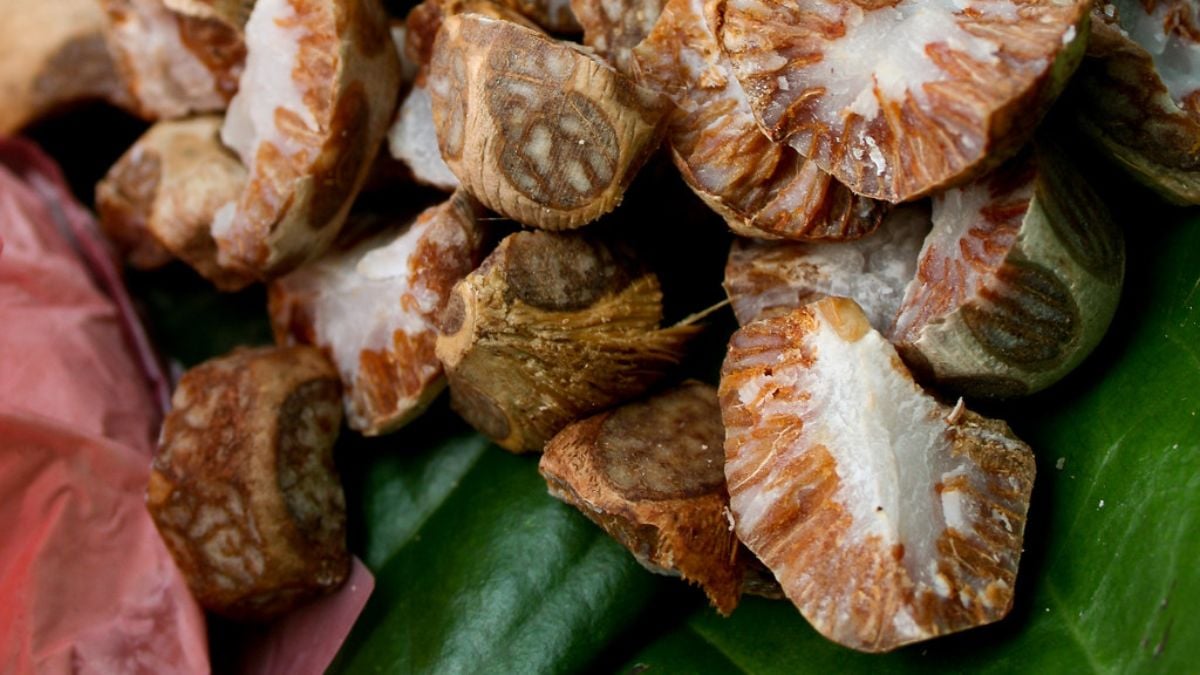
Betel nuts, the seeds of the areca palm, give rise to a sense of mild euphoria and heightened awareness when consumed. They contain arecoline, a neuroactive compound with pain-relieving properties.
Researchers also found biomolecular evidence in the teeth consistent with this form of betel nut use.
Professor Adam Brumm, who led the research, told the BBC, “Although poorly known in Western societies, it is the world’s fourth most widely used psychoactive substance, after alcohol, caffeine and nicotine.”
The study proposes that foragers most likely sucked on whole betel nuts to relieve toothache, which caused further dental damage, giving rise to a painful cycle of dependence on the substance.