 Firstpost ·
Palestinian prez denied US visa for UN General Assembly again, expected to address gathering remotely
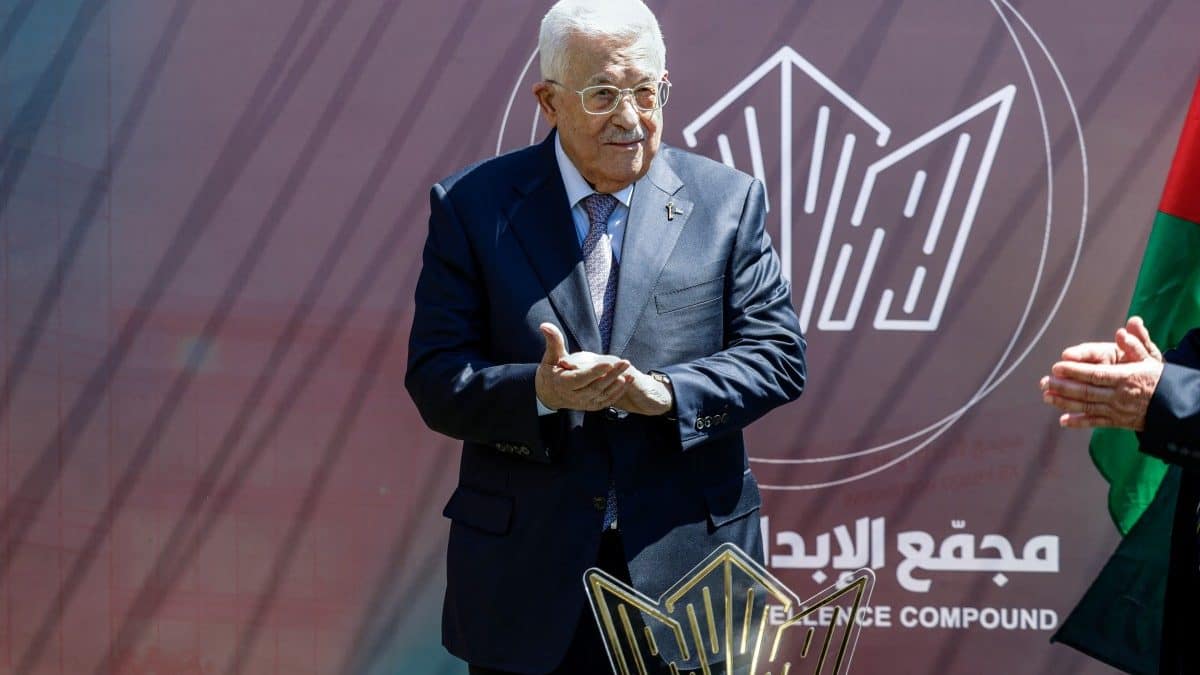
Washington’s decision comes ahead of a UN General Assembly set to focus heavily on the Israel-Palestine conflict, Gaza and Palestinian statehood
The United States has denied Palestinian Authority President Mahmoud Abbas a visa to attend next week’s high-level United Nations General Assembly in New York.
The State Department, as reported by AFP, informed the Palestinian delegation that Abbas’ visa application had been rejected, preventing him from travelling to the US and addressing the General Assembly in person.
The decision means Abbas will be unable to attend the UN gathering in New York for a second consecutive year. Palestinian officials are expected to arrange for him to deliver his address remotely or through a prerecorded video.
Why did the US deny the visa?
The visa denial comes amid existing US restrictions on some Palestinian leaders and officials. The State Department has cited provisions of American law relating to security, associations and compliance with US statutory requirements in imposing such restrictions.
Washington has previously used visa and entry restrictions against Palestinian officials, particularly where it has raised concerns involving national security and other US foreign policy considerations.
The decision also puts the spotlight on the United States’ responsibilities as the host country for the United Nations.
Under the 1947 UN Headquarters Agreement, the US is generally required to facilitate access for foreign officials travelling to the UN for official business. However, Washington has maintained that its domestic laws and national security considerations can affect visa decisions.
The issue has previously been a source of tension between the US and countries whose officials have sought to attend UN meetings.
Despite being unable to travel to New York, Abbas is expected to address the General Assembly remotely.
His absence comes as the UN prepares for discussions on the Israel-Palestinian conflict, the humanitarian situation in Gaza, regional security and efforts related to Palestinian statehood.
The decision is likely to add another point of tension between Washington and the Palestinian leadership ahead of the gathering.
Palestinian officials and other critics have argued that denying Abbas entry could interfere with the ability of a recognised Palestinian delegation to participate fully in the UN proceedings.
The White House and the UN Secretariat had not immediately issued detailed statements on the visa decision or the arrangements for Abbas’ remote address.