 Firstpost ·
It takes two to tango: The Dragon and Elephant must dance for global peace
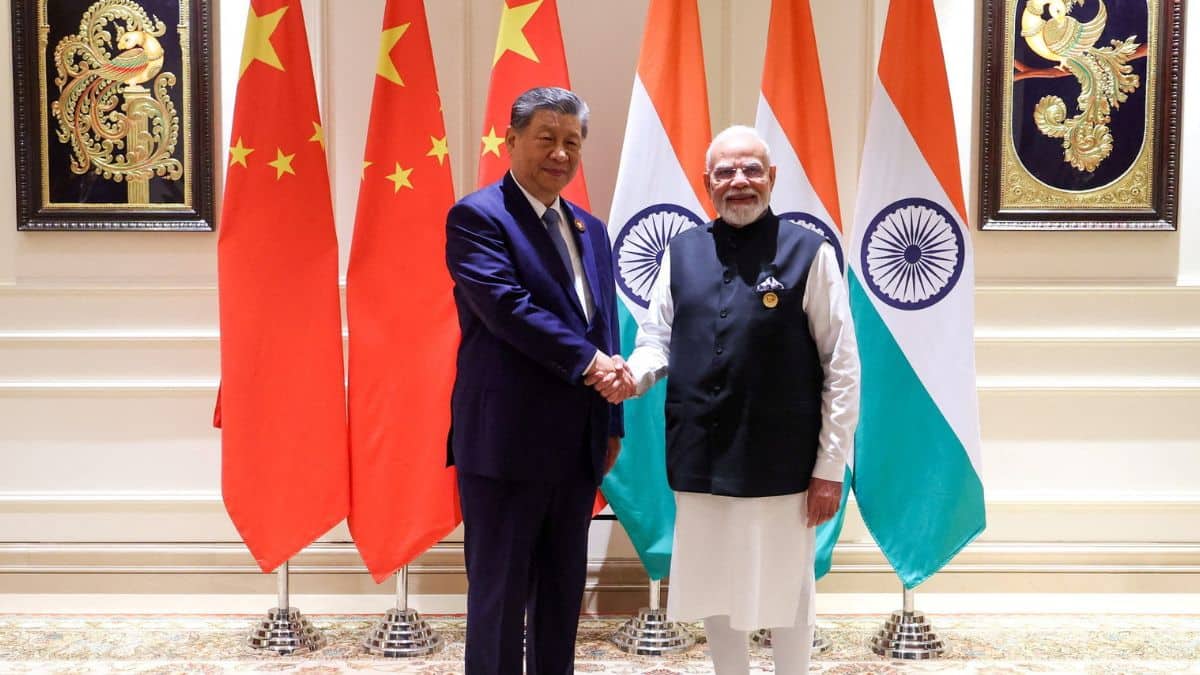
India and China must combine their influence to push US-Iran and Russia-Ukraine towards peace and stability
The contemporary global order is fractured by two devastating, overlapping conflicts: the Russia-Ukraine war and the US-Iran war. These conflicts are no longer confined to being regional disputes; they have mutated into systemic crises threatening global energy supplies, economic stability, and international security. As the pre-eminent economic powerhouses and demographic giants of Asia, India and China hold a unique, historically significant obligation to lead the world toward peace.
While bilateral friction has long defined their relationship, the existential threats of these dual wars dictate that Beijing and New Delhi must put aside their border disputes to forge a joint diplomatic front. By leveraging their collective strategic autonomy, economic clout, and shared regional platforms like Brics and the Shanghai Cooperation Organization (SCO), India and China should intervene to end these endless hostilities.
Fractured Global Economy and Energy Markets
The most immediate and pragmatic reason for Sino-Indian cooperation is the profound threat these wars pose to their domestic economic growth. China is the world’s largest crude importer, drawing roughly half of its supply from West Asia. The US-Iran war directly imperils the Strait of Hormuz, a critical chokepoint through which Asian energy lifelines flow. Similarly, India's rapid development relies heavily on stable, affordable energy. Though India has cushioned its economy by purchasing discounted Russian oil amid the Ukraine war, an uncontained conflict in West Asia, coupled with persistent Western sanctions severely disrupts maritime trade and fuels runaway inflation.
If major Asian powers speak with one voice, the rest of the world will listen. Renowned economist Jeffrey Sachs noted that a combined demand from India and China to “end the war” holds unparalleled weight. If the fighting continues, the prolonged economic costs will be catastrophically absorbed by Asia.
The dual wars have accelerated a highly volatile realignment of global powers, forcing both Beijing and New Delhi into uncomfortable diplomatic tightropes. For India, the prolonged Russia-Ukraine war has pushed its historical partner, Moscow, into an asymmetrical economic and political dependence on Beijing. This dynamic shifts the balance of power in Asia, complicating India's security landscape. Concurrently, Washington's aggressive stances and transactional policies — such as imposing tariffs on Indian exports over Russian oil ties — expose the limits of relying solely on Western alliances.
For China, a protracted war involving the United States in West Asia may temporarily distract Washington, but it risks a catastrophic global escalation that undermines Beijing’s long-term economic integration projects. By working together, India and China can neutralize the pressure to “choose sides”. A united Asian consensus would provide a buffer against the destabilizing actions of an unpredictable United States and a desperate Russia, preserving the multipolar world that both Asian powers desire.
India and China possess the exact diplomatic architecture needed to broker peace, yet they underutilise it due to mutual distrust. As key architects of the SCO and the expanded Brics bloc, they sit at the same table as the primary combatants and their closest allies. Iran and Russia are both members of these blocs, making them uniquely receptive to Asian diplomacy.
Currently, differences between India and China have hamstrung these institutions from forging a unified stance on the West Asia crisis. If Indian Prime Minister Narendra Modi and Chinese President Xi Jinping synchronise their strategies, they can transform Brics and the SCO from passive talking shops into powerful conflict-resolution mechanisms. They can collectively pressure Moscow to accept a realistic exit strategy in Ukraine and leverage their deep ties with Tehran to facilitate a ceasefire with the US and Israel.
The solution to the modern world's geopolitical fires cannot be found on the battlefield. As Prime Minister Modi aptly remarked at the SCO Summit, humanity must move “from endless war to the end of war”. Neither the United States nor Russia can unilaterally dictate a peaceful global order anymore. For India and China, cooperation is no longer an idealistic choice; it is an absolute strategic necessity. By leveraging China’s unparalleled economic advantage over Moscow and Tehran alongside India’s robust diplomatic credibility with both the West and the Global South, these two Asian titans can stop the global slide into total war. In doing so, they will not only protect their own economic futures but will permanently secure their status as the rightful, responsible leaders of the 21st century.
India and China do not need to agree on every geopolitical issue to recognise a shared fire when it burns near their homes. By setting aside differences and demanding a halt to the US-Iran and Russia-Ukraine wars, both nations can fulfill their roles as leaders of the Global South and secure a safer, more stable world. India and China must unite their diplomatic influence to demand an end to the US-Iran war and the Russia-Ukraine war because these ongoing conflicts severely threaten both nations’ energy security and economic stability. As global heavyweights, New Delhi and Beijing possess the collective economic and political weight to push warring parties toward the negotiating table.
Working together is no longer just a diplomatic choice; it is an urgent necessity for Asian and global survival. Cooperation on global peace can also help India and China improve their own bilateral relations. As both nations work to stabilise their border regions and maintain economic growth, partnering for global stability offers a clear path forward.
(The writer is a retired Indian diplomat and had previously served as ambassador in Kuwait and Morocco and as consul general in New York. Views expressed in the above piece are personal and solely those of the author. They do not necessarily reflect Firstpost’s views.)