 The Indian Express ·
Bengali, Gujarati or Sindhi, let’s not reduce hilsa to its pedigree
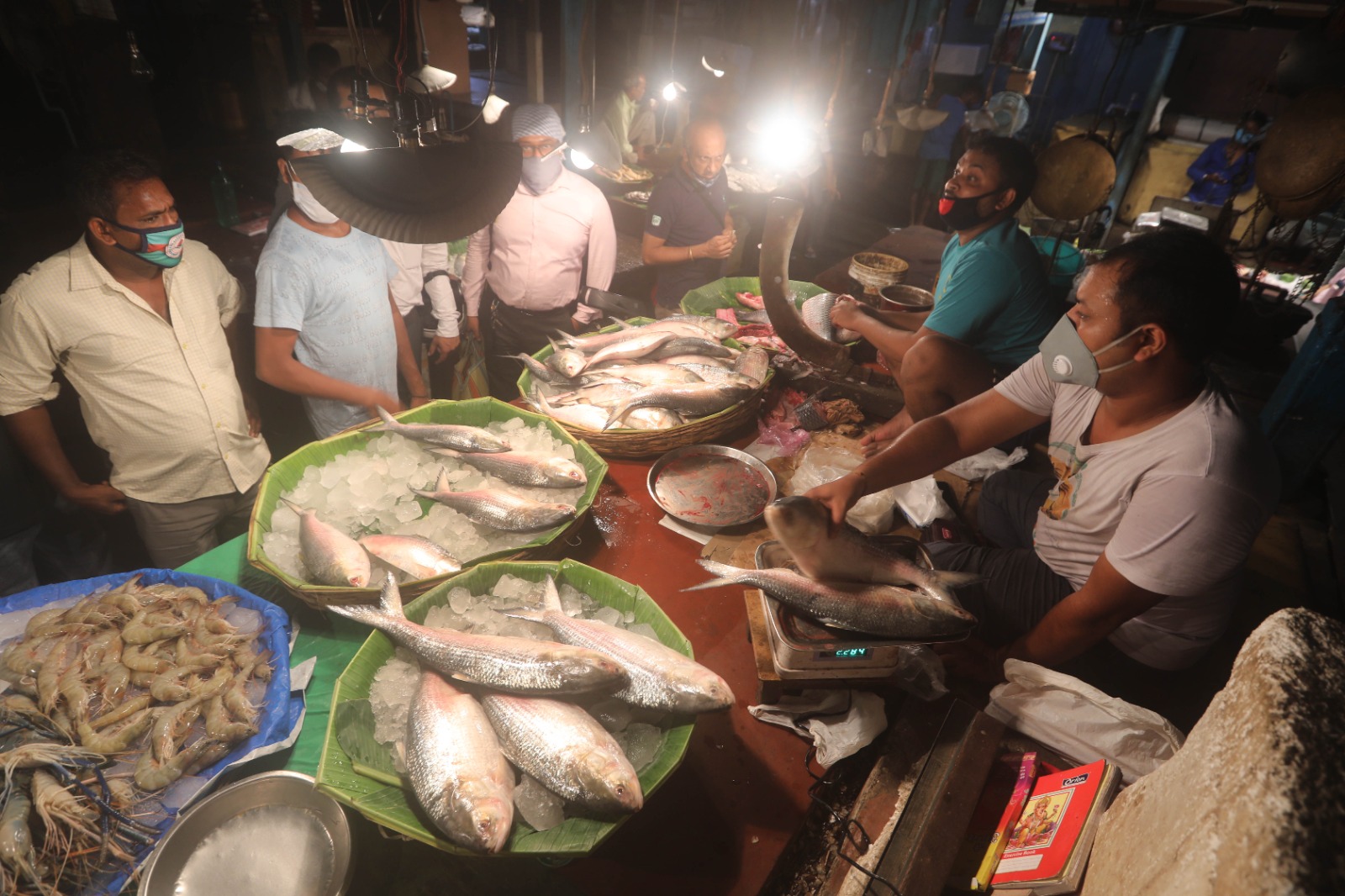
Long before hilsa became a cultural totem and a gastronomy brand, the fish was a matter of nourishment
Among Bengalis, who can obsess indefinitely about gastronomy, few subjects evoke as much passion as ilish. The Padma loyalist swears that the fish from Bangladesh is fattier and more fragrant, its flesh yielding to the touch and its oil carrying a sweetness that its supposedly lesser cousins can only aspire to. The Ganga partisan will insist that the fish from the river has a sharper flavour, a more elusive aroma and a pedigree that an imported fish cannot quite match.
But an upstart seems to be complicating the argument. Over the past two months, around 500 tonnes of hilsa have crossed into Bangladesh, much of it from Gujarat. Supplies seem to be shorter in the country’s eastern neighbour. The Gujarati fish is reportedly attractive to Bangladeshi buyers because of its high roe content; some of the roe is being processed separately, while the remaining will be dried for domestic consumption.