 The Indian Express ·
Arts, culture, entertainment and media
Artistes, promoters, venues have their own kind of power on troubled tours like Ed Sheeran’s
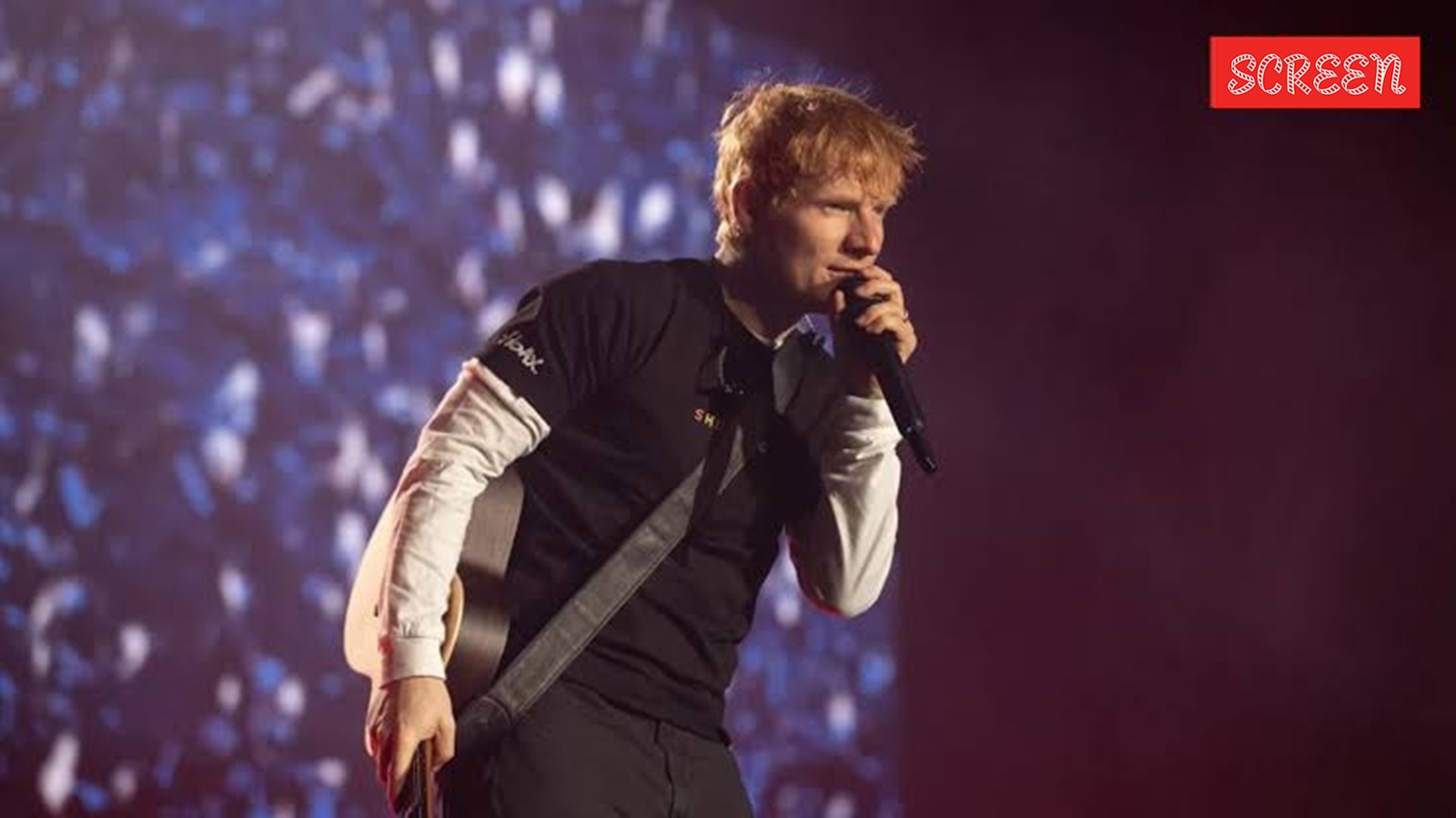
Ed Sheeran's ongoing Loop Tour is mired in chaos after four supporting acts quit in solidarity with rapper Macklemore, who was dropped for making pro-Palestinian comments onstage at New Jersey’s MetLife Stadium.
Concert promoters wield great power. Venue owners can too but they rarely choose to. And artistes capable of filling stadiums like Ed Sheeran usually have approval over everything that happens under their name.
That’s the consensus view of music business players who talked to The Associated Press about how mammoth tours like Sheeran’s generally work. The singer’s ongoing Loop Tour is mired in chaos after four supporting acts quit in solidarity with rapper Macklemore, who was dropped for making pro-Palestinian comments onstage at New Jersey’s MetLife Stadium.
Ed Sheeran said on Instagram that the decision was made by the promoter, and he had no power over it. The promoter said it had no choice because venues wouldn’t allow Macklemore to perform.
Robert Kraft, the billionaire owner of the New England Patriots and Gillette Stadium, which is among the remaining tour stops, said in a statement that the decision to drop Macklemore was a result of his recent comments “and a broader history of antisemitic rhetoric and imagery.”
The promoter is the primary business actor on a tour. At high levels, it’s a company like Messina Touring Group, the promoter of Ed Sheeran’s tour.
“The promoter puts up the money, pays all of the acts, deals with the venue. They provide the stake, sell the tickets, and the artists come on and play,” said Ray Waddell, chief content director for media and conferences for the Oak View Group, an entertainment and venue management company whose properties include the concert trade publication Pollstar.