 Firstpost ·
When wildlife goes viral: The troubling human obsession with animal celebrities
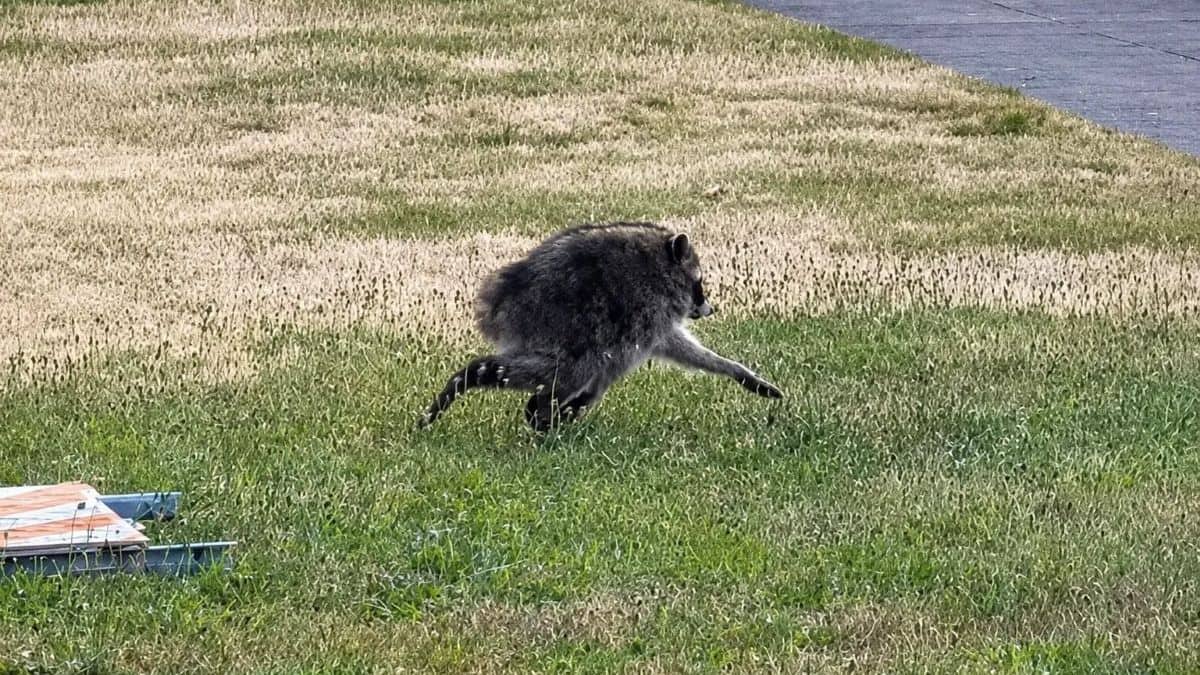
From Jimothy the raccoon to Neil the seal, human fascination with viral animals often ignores what the attention means for them.
Every once in a while, an animal comes along that captures the collective imagination of human beings and, for a moment, becomes something akin to a superstar in the people-world. The latest debutante to join that line-up is Jimothy, Seattle’s renowned raccoon that is capturing headlines across the world.
First spotted two months ago, this round-spined, neckless animal has since gone viral on social media and his fame has spread not only across the US but globally as well. Now his every movement is carefully mapped, multiple global news outlets are running stories on him and Seattle City Hall has already christened 2026 the summer of Jimothy. There have been the usual marketing spin-offs too and enough merchandise to earn him a spot on the roster of all-time famous fauna.
Jimothy isn’t the only animal to earn merchandising and marketing deals because of his sudden popularity. When it comes to the cuteness quotient, Tasmania’s Neil the seal is a clear winner, his antics fetching millions of likes and comments on social media. He routinely visits the coast of Tasmania, wreaking havoc on local infrastructure before returning to the sea. This year was no exception and just as Jimothy was gaining visibility in Seattle, Neil the seal finished his summer chaos and returned to the sea in July 2026. There are hundreds of videos and reels of him online and a dedicated fan following that has grown consistently over the years.
Perhaps the most acclaimed animal ever to capture human imagination was Paul the octopus. From his lair in an aquarium in Oberhausen (Germany), Paul accurately predicted the outcome of a number of football matches during the FIFA World Cup 2010. So seriously did soccer fans take this clairvoyant mollusc that his predictions were live-streamed and fans of rival teams that lost a game even sent hate mail and death threats.
The world was divided into Paul lovers and Paul haters, with Iran announcing that he was a symbol of Western weirdness while Russian and Kazakh bookmakers offered insane money to buy him. As the world gawked, performance, ad and brand deals poured in and he even got an agent. Then the tourney came to an end. Three months later, he was dead. A decade and a half on, his memorial is buried somewhere and the world has moved on to another gawk-worthy animal.
Animals finding sudden fame or notoriety isn’t new. Sadly, human interest is seldom either long-standing or particularly beneficial for the animal in question. A good example is what happened to the first elephant to ever migrate to America.
Transported by ship from Calcutta, the poor animal reached New York Harbour after an arduous four-month journey on April 13, 1796, and was craned to the shore.
People paid between 25 and 50 cents to see it, and such was the craze that even George Washington, the American president, went to have a dekko. After its gawk debut, the elephant was sold to a circus where it became a sellout act for 20 years.
Ultimately, though, this story came to a sad end when the elephant was shot dead by a bigoted local farmer. Reason: he thought the idea of spending money to see a circus was just plain sinful. So much for celebrity status.
Human beings are good at cherry-picking random animals to obsess over depending upon the mood of the moment. That the human world rarely spares a thought for all the other species that we share the earth with only makes this sudden spotlight even more tragic. Animals don’t understand celebrity. They are not being intentionally cute or clever or just plain strange. Most often, they are simply surviving in a world that gives them little room to do so.
Very often, the reason they pop up on our radar is because our habitats clash with theirs. Neil the seal is an example. That this naughty five-year-old male elephant seal should keep coming back to the Tasmanian coast is pure biology. He was born there and returns for his ‘haul-out’ or rest period. What’s not normal is that he is the only seal to come to that beach. Completely isolated during his haul-out, far away from other breeding colonies of elephant seals and surrounded by humans, his chaotic behaviour, which we find cute and funny, is pure survival instinct. He is doing what a young male elephant seal does to establish his dominance over his environment. His behaviour is natural. Our gawking less so.
One look at how we behave on big cat safaris tells the story. Every time a tiger or lion is spotted, cameras zip out and tourists take thousands of pictures of the animal. That celebrity often gets the animal poached at worst. At best, it sends out a signal that its territory has been encroached upon by humans.
Spinning an urban myth around an animal is perhaps not the worst that Homo sapiens can do to flora and fauna. After all, folk traditions and myth-making have taught human beings to forge a live-and-let-live relationship of some kind with the animal world. But given the far more common instances of animal cruelty, it’s not ideal either. The animal world deserves our respect and protection. Both of which translate to space. Sadly, that’s not something a viral presence on social media guarantees.
(Nandini Sen Gupta is a freelance writer and author of several books. Views expressed in the above piece are personal and solely those of the author. They do not necessarily reflect Firstpost’s views.)